Oct. 13, 2026 A picture is worth a thousand words – the election year 2027 will bring work for photographers.
The next parliamentary elections in Finland will be held on Sunday, 18 April 2027. Elections are held every four years, during which 200 members of Parliament are elected to the Finnish Parliament. Therefore, the demand for portrait photographs of candidates is increasing once again, which means more work for us. For photographers.
Thousands of candidates require thousands of images.
The camera must be fixed, as it is required by both new candidates and those previously nominated. Up-to-date photographs of oneself, for example, for brochures, websites, and election advertisements. In the 2023 parliamentary elections, a total of 2,424 candidates stood for election, of whom 170 were incumbents. Members of Parliament. In practice, each candidate required a campaign for the election. Candidate photos, so there were potentially thousands of candidate photos in the elections. Moreover, let us consider that different photographs of each candidate are taken for use in various media. A considerable number of images are taken. The same task is repeated each time in Finland. Every four years.
Some candidates may also use old images; however, this is not generally the case. It is recommended that the photograph depicts the person as they appear at that moment. If the image differs significantly from the candidate's current appearance, voters may not necessarily recognise them. He immediately dismisses it, which certainly does not inspire trust—the primary requirement for candidates. In the eyes of the citizens.
"If the image looks very different from the candidate's current appearance, the voters will not recognise them.Not necessarily recognise him immediately"
With the addition of new images, the entire campaign's style can be made consistent, which enhances coherence. Recognisability increases credibility and gives the campaign a more professional appearance.
There is little time available for the descriptions. Applications must be submitted by 9 March 2027. Before 4:00 PM on 18 March, the candidates and their candidate numbers will be confirmed. Advance voting begins on 7 April. The campaign period, according to the election funding law, also begins then. October 2026
This, therefore, means busy times for many photographers. This is typical throughout. In the field of photography, it is sometimes very quiet, while at other times work continues from morning until late at night. We will continue at dawn.
Images of Parliament are not suitable for election advertising.
The Parliamentary Image Service maintains portrait photographs of current Members of Parliament on its website. The images can be downloaded from the website. Images provided by the Parliamentary Office Committee may be used. In news reporting and other forms of communication aimed at the public, for example, also in blogs.
According to the terms of use, images may not be used in election advertising where there are candidate numbers or direct voting appeals must not be modified. Therefore, the incumbent must also adhere to this rule. Members of Parliament require their own images for election campaigns. Additionally, each party has their own websites where they publish pictures of their candidates. of their members of Parliament.
"According to the terms of use, however, images may not be used in election advertising. "where there is a candidate number or a direct voting prompt."
On social media, images and videos vie for attention.
Parties, as well as individual representatives and candidates, also publish images on social media. In the media, nearly 90% of the candidates were on Facebook during the 2019 elections, and more than half had according to the report *Climate Change in Politics* over 40% were on Instagram, and a Twitter account (now known as X) was also mentioned. – Parliamentary Election Study 2019. Between 2019 and 2023, the most significant changes were the increased use of Instagram, alongside the introduction of TikTok in campaign communication, has become evident. In the extensive follow-up study of the 2023 parliamentary elections.
Between 2019 and 2023, the most significant changes occurred on Instagram. Increased usage, as well as the introduction of TikTok into campaign communications.
The 2023 study also found that there were more light areas in the publications than previously. Edited images. In my opinion, this suggests that the value of a good professional photograph remains significant, is not decreasing; rather, it is increasing.
Some Finnish candidates believe that algorithms favour images containing minimal text. as well as videos. According to Sprout Social's report, short videos on TikTok and Instagram Reels are the most effective form of participation, clearly surpassing text-heavy approaches. Forms. Of course, this only applies to the respective social media platforms, and each platform. They have their own algorithms that randomly select and weight the publication of content in slightly different ways.
Campaigning is not without cost.
According to the official audit report by the National Audit Office of Finland (VTV), the selected. The campaign expenses of Members of Parliament and their substitutes in the 2023 elections. On average, the cost was about €37,540. The National Audit Office examined the 2023 parliamentary elections. Election campaign finance reports. The average is based on 273 reports audited by the National Audit Office, so it does not. Describes all 2,424 candidates.
“The campaign expenses of the elected Members of Parliament and their substitutes were for the year. In the 2023 elections, the average amount was approximately 37,540 euros”.
Based on the reviewed reports, the campaign financing of Members of Parliament and their deputies was examined. A total of €10.5 million, of which €7.8 million was external funding and €2.7 million was internal. Candidates' own funds. Compared to 2015, the average amount per candidate. Campaign expenses increased by 6 per cent, while external support rose by 42 per cent. These figures reflect. The entire campaign budget, including the portion attributable to photographers' services, cannot be separated.
The official candidate photograph is clear and informative.
But what kind of photographs do the candidates want, then? For the election posters, presumably. The photographs must be professional, of high technical quality, and comply with the parties' guidelines. According to common practice, the image should be in portrait orientation with a white background, showing both shoulders and the face clearly. The lighting is even, without any dominant shadows. This is the guidance provided, for example, by the Christian Democrats. From the official portrait included in the preliminary instructions I received prior to the election photoshoot.
The official candidate photograph is therefore practically identical to a passport photo, meaning it should be clear and neat. A close-up image of a person, providing as much detail and information as possible.
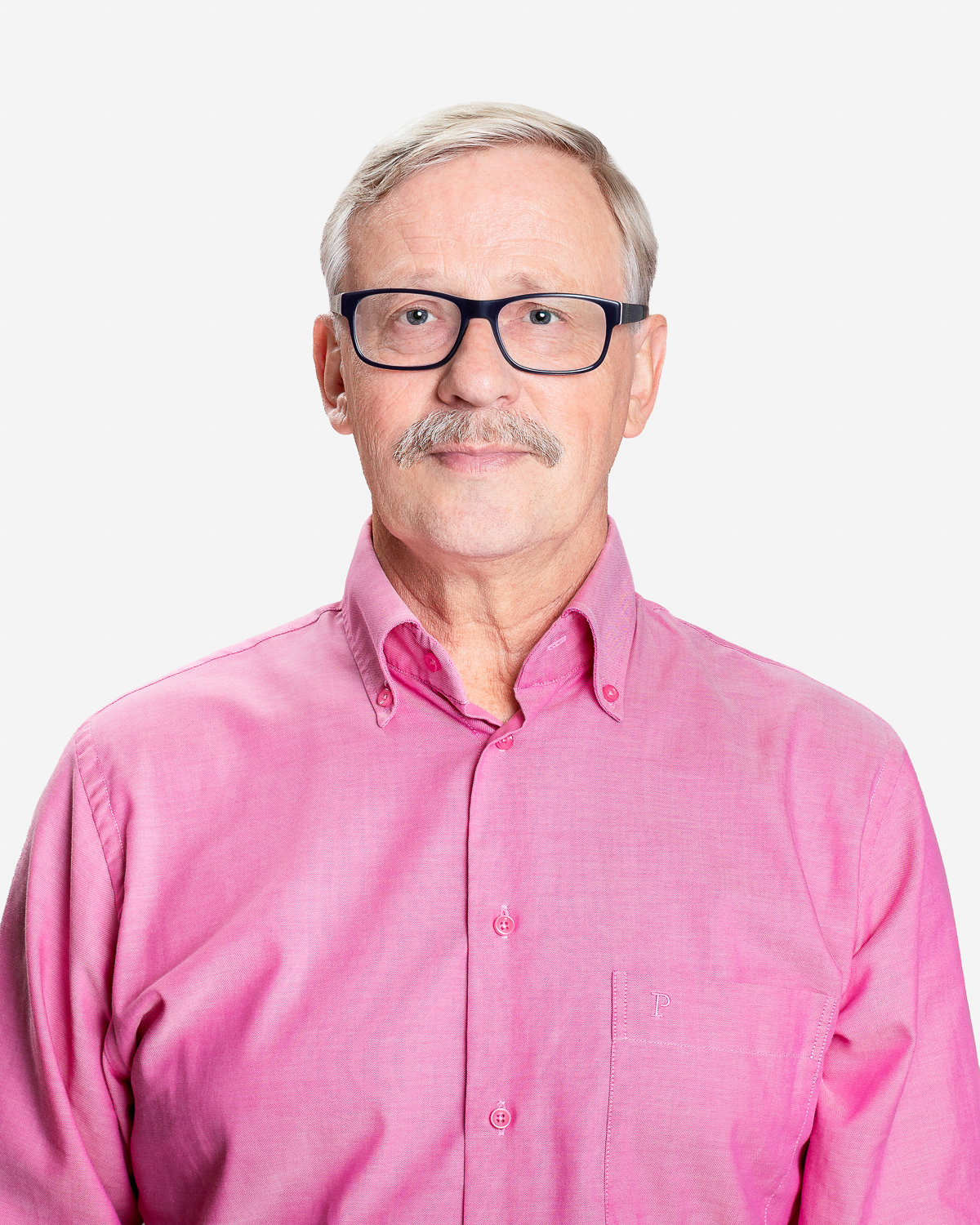
Figures 1 and 2: Harri Koskela (Christian Democrats, Joensuu local chapter).

Piia Siponen (Christian Democrats, Joensuu local chapter). Official candidate photographs: A tight close-up against a white background.
"The official candidate photo is therefore practically identical to a passport photo, meaning it must be clear. A clean and as informative as possible close-up of a person."
Unlike passport photos, candidate photos do not necessarily require the face or upper body to be visible. Not directly facing the camera, but a slightly more sideways arrangement can also be used. Creates a three-dimensional effect in the image. However, it is preferable for the facial line to be completely defined. Visible. However, the basic setup is often chosen for the sake of clarity.
These instructions specify only the technical requirements for the photograph, and it is only part of the image requirements are shown. The actual candidate photograph is produced by the photographer and the candidate. Together through verbal and nonverbal means, that is, nonverbal communication. This is called a collaboration, model-based control is always a two-way process, in which both parties are involved. Personal chemistry holds its own significance.
Facial expressions and posture reveal information about a person the candidate
Since this is a close-up or a tight mid-shot, expression and posture are the key elements. Through which nonverbal communication is conveyed, and by which an image of the candidate is created for the voters. In official photographs, the expression must be neutral, meaning without strong emotion. However, the term encompasses a wide variety of different expressions through which a message can be conveyed.
The photographer's task is to guide the candidate's expression and posture to appear positive and relaxed. The image is pleasing to look at and evokes a sense of belief, trust, and shared values.
The position of the shoulders is one of the most powerful contributors to an impression, even when only the upper body is visible. Depicted directly from the front, the position of the head similarly affects the overall appearance of the image.
Significantly, facial expression is the most informative means of communication for humans. The posture of the body should support it. The same message, if a credible election image is desired.
Model guidance in a photographic setting, as is generally the case in portrait photography, is of paramount importance. This is important because a person rarely knows when they are truly presenting themselves in the best light. Additionally, let us allow that small, magical moment of surprise to be captured in a photograph. Something truly compelling, genuinely in the candidate’s own style.
"A person rarely knows when they are truly presenting themselves in the best light."
More relaxed photographs for social media
In addition to the official candidate photograph, candidates nowadays also prefer somewhat more casual images. Pictures of themselves on various platforms. Social media is now deeply integrated into everyday life. In election communication, it would be beneficial for candidates to have the opportunity to publish information about themselves. Regularly updated images featuring their election promises and the issues they support.
Plain text alone may not necessarily capture people's attention in today's fast-paced social media environment. To pause at it, especially on image-focused platforms like Instagram, but a compelling image can shift the situation in favour of the candidate's publication. Nowadays, we live in a way that is referred to as the "era of clickbait headlines," as described by the news media industry, the impact. On social media, it must be done within a few seconds, as users' thumbs are swift. The phone screen content moves very quickly, and attention spans are short.
"A striking image shifts the situation in favour of the candidate's publication."
Since campaigning is a coherent whole, the campaign photographs should also be stylistically consistent. They are aligned with one another, making it easier for people to perceive them as part of the same campaign. This can be influenced, for example, by the style of clothing and the colour scheme used, as well as with a similar appearance and storytelling style to the publications, it should be noted that Informativeness is the most important characteristic of publications, but the message can be supported and enhanced further. Significantly, with the right visual choices.
A picture still tells more than a thousand words.
Overall, it can be said that the demand for images has increased over the years.
At the same time, the amount of money spent on campaigns has increased. This is good news for the photographer. From the perspective.
Furthermore, there is now a growing demand for more diverse and extensive visual content. Professionally meaningful for photographers, as it also enhances technical expertise. Challenging oneself and trying out different ideas also brings with it a greater sense of fulfilment. A dialogue with the candidate about the type of image that would suit them best. His campaign and the kind of image that would best convey his story to potential voters. A wider frame also reveals the candidate's posture and body language (Figures 3 and 4).
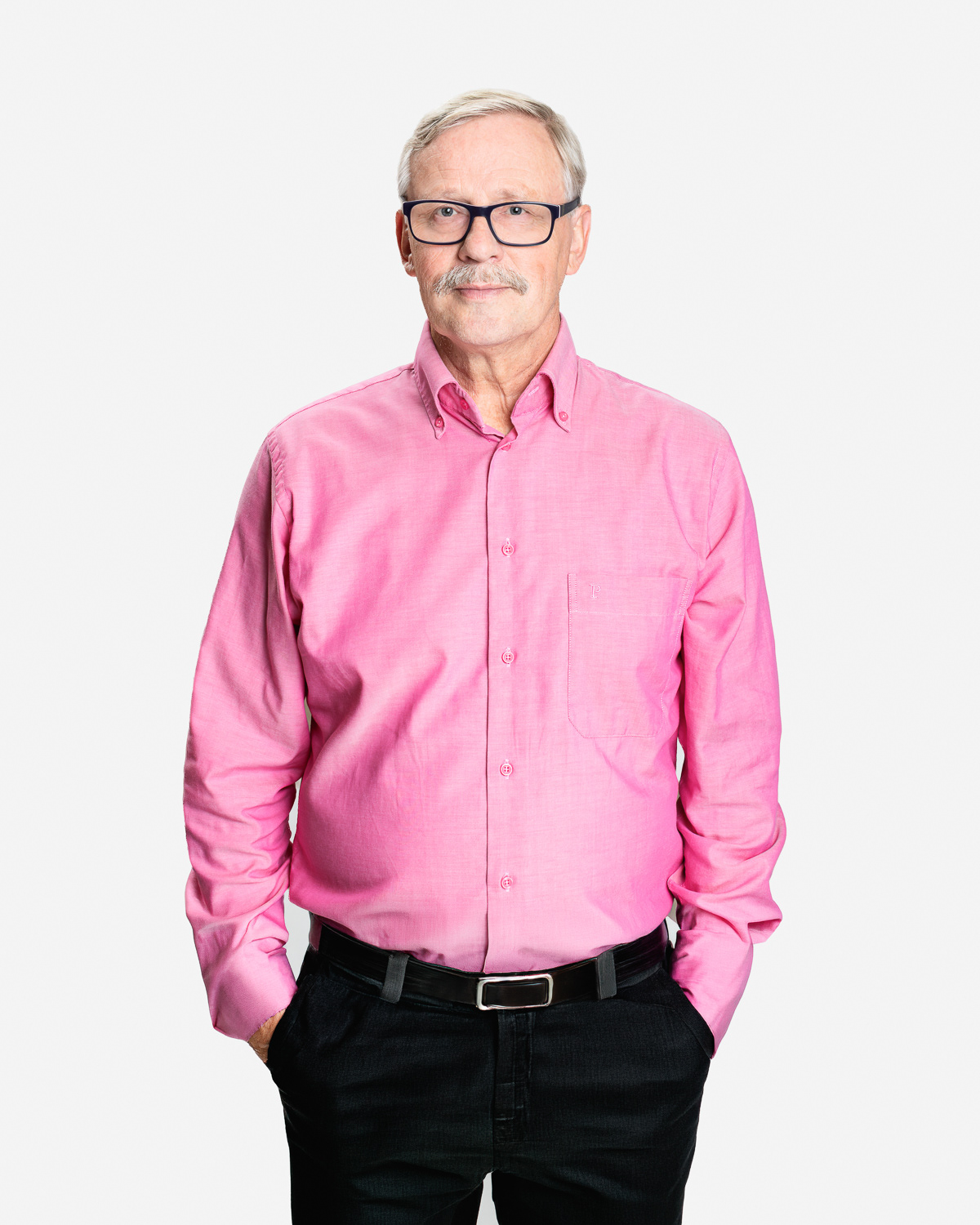
Harri Koskela
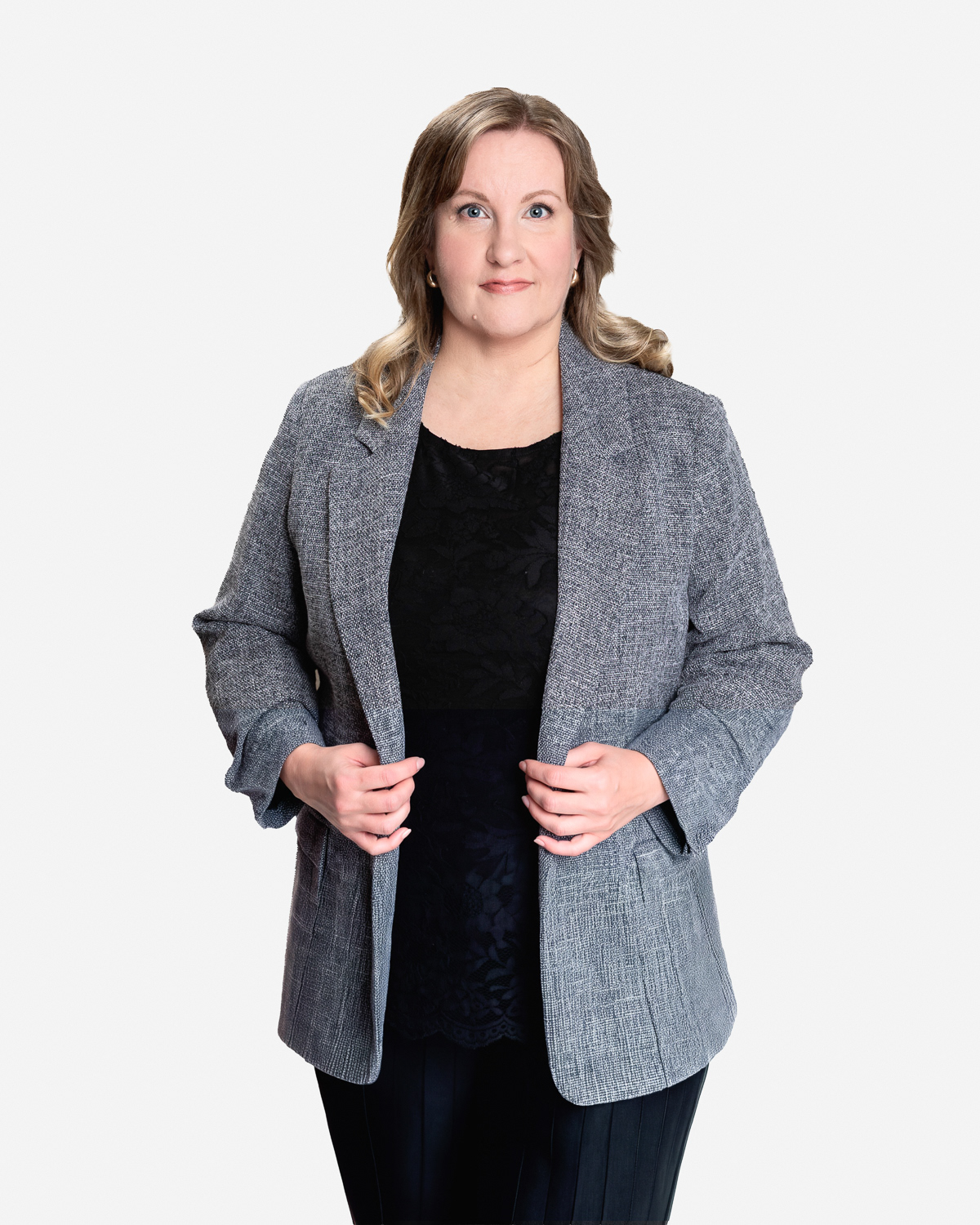
Piia Siponen with a wider framing, showing posture and body language better.
Official candidate photographs are usually taken in a studio, where the advantage lies in their clarity and quality. A minimalist look, where the candidate stands out clearly in the picture. Nowadays, candidates want, however, environmental images themselves may also make it easier for voters. A more approachable image of the candidate than studio photographs taken against a white wall.
"Environmental images that perhaps offer voters a more approachable perspective of the candidate image"
If the images still depict familiar landscapes and places, they facilitate identification with the candidate's thoughts. It is easier because, so to speak, you are on familiar ground—what is already known. Familiarity and a sense of security lower the threshold for trust and identification.
Videos have become increasingly popular and can be found on many social media platforms. They are unlikely to replace a good photograph as the primary source of information in campaigning. Rather, they are elements that support the photograph, such as text, which together create a subtle, informative element that a photograph alone cannot convey. In collaboration. There is power, so to speak, and this is true in this case as well.
A saying that is not actually very old.
An old saying goes: a picture is worth a thousand words. However, the saying itself does not. The matter is not very old; the earliest known form dates back to 1911 and is generally associated with the editor, Arthur Brisbane, who formulated the idea in the phrase: "Use a picture. It’s worth a thousand words." "Thousand words." The current form of the saying is believed to originate from Fred R. Barnard’s *Printers’. An advertisement published in an ink industry magazine. The issue of the magazine dated 8 December 1921 contains an advertisement. With the title "One Look Is Worth a Thousand Words," Barnard claimed the saying to be of Eastern origin. Wisdom, but it was later found to be fabricated.
"Barnard claimed the saying to be Eastern wisdom, but this claim is later found to be fabricated."
A photograph is a powerful visual element that appeals to the emotions and has been around for approximately 200 years, possessing the ability to. Its value and place in today's election campaigns, even with the advent of new sophisticated techniques, remain significant. Platforms have emerged alongside it.
A photograph is like a fork: a relatively old invention that works well with the right subject. Well, it is not suitable for all types of communication, just as a fork is not suitable for eating soup.
Oct. 06, 2026 Cover the logo – would anyone recognise your company?

ChatGPT-5.6 Luna's Perspective on Purchasing Stock Images.
Stock photos are not the enemy.
Let us begin by clarifying what this column is not. It is not a critique of stock photos, nor are their users doing anything wrong. Stock photos have a perfectly legitimate place, and many are technically excellent: the lighting is impeccable, the composition effective, the people appear genuinely happy, and the image fits the website like a glove. No one has ever lost a customer because the photo was too sharp or the colour scheme too neat.
A more interesting question is not whether stock photos are good or bad, but what a company loses when its visual communication looks identical to that of any other company. The issue is not about technical quality, but about what the image ultimately conveys – and what it leaves unsaid.
Many companies select their images out of practical necessity: a website redesign is underway, the deadline is looming, and someone hastily searches a photo bank for a few suitable pictures. In the short term, this approach makes sense. However, when the same logic is repeated year after year, the entire visual identity begins to rely on images that were never intended to tell the story of that particular company.
A beautiful image, but an empty message.
Imagine a typical company website. The homepage might feature a group of smiling people gathered around a meeting table. Further down, there could be an image of a hand on a keyboard. Elsewhere, a person who appears to be the CEO in a glass-walled office, two people shaking hands, an abstract bluish image representing technology, and a team walking down a corridor, smiling.
Each image may be perfectly acceptable when viewed individually. The issue does not stem from a single image, but from the fact that the images convey nothing specific about this company. They could appear on the website of any company within the same industry, and no one would notice the difference. Change the logo and colour scheme, and the image would fit just as well on a competitor’s site. Thus, an image can look appealing yet be entirely devoid of meaningful communication.
We are discussing images that meet all technical and aesthetic criteria but fail at the one task that truly matters on a company’s own website: conveying something genuine about the company. This should be done in a way that is individual, memorable, and credible. I understand that communicating in a completely unique style is bold, even daunting, but it pays off far more than adopting a copied style and certainly has a greater impact.
Borrowed Reality
A good image answers questions that text cannot always address as quickly: who the company is, who works there, what kind of culture prevails, and what type of customers it serves. From the customer’s perspective, the most important question is this: why should I trust this company? The purchasing decision depends on it, and the answer may be yes or no depending on how credible the story appears.
A stock photo usually cannot answer any of these questions because it does not depict the company in question. The models are not the company’s employees, the office is not the company’s office, and the product is not the company’s product. Everything is a borrowed reality on which the company attempts to build its own story. The image and the story must convey the same reality; otherwise, the result is like a snowman on a beach holiday destination: it looks out of place and does not endure in its environment.
A silent yet significant contradiction arises. The customer may not always recognise it analytically, but they sense it: the site feels impersonal, despite all individual elements appearing professional. This feeling – “this could be any company” – undermines trust more than any single image. Emotions guide decisions both consciously and unconsciously, so presenting a fabricated reality poses a considerable risk for a company.
Authenticity means that the image is genuine.
Many companies describe themselves on their websites as follows: “A people-oriented, innovative, and reliable partner.” It sounds impressive, but it is empty rhetoric, faithfully repeated by everyone because marketing guides recommend communicating in this manner. Then, on the same page, there is a photograph of people who have never set foot in that company’s office.
The text says “we,” while the image depicts “someone else.” This contradiction often occurs when a stock photo is intended to represent the company itself, such as its staff. Stock photos are excellent for creating atmosphere and embellishing pages because their purpose is not to directly reflect the company. In this way, their proportion among images remains small: they are like the cherry on the cake, not the cake itself.
Authenticity has become one of the most overused marketing buzzwords in recent years, which is precisely why it must be earned, not merely claimed. Authenticity does not imply that an image should be technically imperfect or amateurish. Rather, it means that the reality depicted in the image genuinely exists: these are real people, this is a real place, and this truly happened. Customers may not always be able to articulate why one website feels more trustworthy than another, but the reason often lies here. It is similar to shopping online when something feels slightly off: I check whether the contact details are genuine and if the street address is real, or merely an empty plot.
Would you recognise the company without its logo?
Let us conduct a brief thought experiment and imagine two different companies.
Company A uses stock photos on its website, featuring generic office environments, generic employees, and generic technology images. If the logo and company name were removed from the site, would you still be able to identify the company? Probably not.
Company B uses real people, its actual CEO, a genuine work environment, authentic products, and real customers on its site. It has a distinctive visual style. Even if the logo were removed from the site, the company could often still be recognised based on the visual impression alone.
This leads to the core idea: a good corporate photograph does not merely look appealing; it should appear as though it belongs exclusively to one company. One of the photographer’s most important tasks is to identify the company’s unique visual style and consistently reproduce it over the years, as consistent, reliable quality is a key definition of professionalism.
I recommend conducting the same test on your own company’s website. Cover the logo with your finger and ask yourself honestly: would a stranger recognise the industry from this site, let alone this particular company? Many find that the answer is not as clear as they would like. This test provides a simple and honest measure of how credible your company’s communication truly is.
Story Behind the Camera
The traditional approach often begins with the thought: “We need new photos for our website.” This typically results in hiring a photographer, taking a few portraits, capturing some shots of daily company life, and then adding the images to the site. Although the process is swift, the outcome often resembles that of any other company. If the photographer merely scratches the surface, it becomes impossible to uncover the authentic story that truly resonates with the customer base.
Another approach begins with a completely different question: “What do we truly want to communicate about our company?” Then, you consider who the people in the company are, what they actually do, what distinguishes the company from others in the industry, and what problems it solves for its customers. Often, management evaluates the website based on whether it appeals to their own tastes and supports their values. Instead, they should consider whether the site appeals to the customers’ preferences and whether the company’s values align with those of its customers. The goal is to deliver the right message to the right customer base.
Only after addressing these questions is it sensible to consider what kind of images are needed to convey these ideas. This sequence – story before the camera – transforms the photographer’s role: they become a storyteller, not merely an image producer. Anyone can take a passport photograph, but the true story emerges through a well-crafted portrait.
The difference is already apparent when planning the photo day. In the traditional model, the shot list comprises general headings such as “a few portraits,” “a couple of office shots,” and “one group photo of the team.” In the story-driven model, the list includes specific situations and individuals: the moment a customer service representative resolves a real customer’s issue, the workstation where product development genuinely takes place, and the corner of the corridor where new employees are introduced. The photo day thus becomes documentation of the story, rather than a staged performance, and the visual narrative gains credibility that is important to customers.
Take, for example, the CEO’s photograph. It could be a simple passport-style portrait accompanied by the text “Tony, CEO.” Alternatively, it might be a high-quality, carefully composed portrait with the caption: “I started at this company 20 years ago.” The first merely shows what the person looks like; the second reveals who they are. Photographs should not be taken merely for the sake of having photos, but to convey the story you wish to tell.
The same principle applies beyond leadership photographs. A production worker can be portrayed as “an anonymous hand at the machine” or as an individual who shares which part of their work they are most proud of each morning. A customer can be depicted as an anonymous smiling model from a photo bank or as a genuine company representative who briefly explains why they chose this partner. The difference lies in communication planning and focusing the story before pressing the shutter.
A photograph then becomes more than just a visual element; it transforms into a small yet tangible piece of the company’s history and identity. No photo archive can provide this, as it lacks knowledge of the company and its people. Although it is neither the cheapest nor the quickest solution, it is the most profitable in the long term: the story is genuine and sincere, and the customer recognises and trusts it because it is authentic.
When is a stock photo still a sensible option?
As I mentioned earlier, stock photos are not a bad invention; they are simply often used incorrectly. There are situations where they provide a perfectly justified solution:
- When a quick illustrative image is needed simply to fill space.
- when the subject is abstract and cannot be represented concretely
- When a general, international atmosphere is required rather than a local identity.
- When the image does not relate to the company’s identity but serves purely as visual support for the text.
A stock photo cannot reveal anything a company does not already know, but it can help create the right atmosphere and support storytelling. In practice, the most prudent approach is often a combination of both. The company’s own authentic photographs should be reserved for areas where identity and trust are established: the homepage, team page, customer stories, and the ‘About Us’ section. Stock photos can be safely used, for example, as illustrations for blog posts or alongside technical instructions, where the reader does not expect to see the company’s own personnel.
What do your images truly convey?
Why do companies spend so much time on their appearance but surprisingly little on what their images convey? A great deal of time and money is invested in website redesigns, typography, colour palettes, and logo refinement. However, image content—the part of the site the eye encounters first and the brain interprets most quickly—is often left until the last minute and resolved in the quickest possible way.
This imbalance is not the fault of any single marketing individual. It is an understandable consequence of image production often being regarded as a technical purchase rather than a communication decision. A photographer is hired using the same logic as office supplies: obtain quotes, select a suitable price point, and book a day in the calendar. The question of what the company truly wishes to convey remains unasked because no dedicated time is allocated for it within the process.
If someone were to remove your company’s logo from your website, would there still be elements that identify which company it is? Or would the images be generic enough to belong to anyone? This is not a question to answer hastily, but it is one worth asking regularly—whenever the company is planning its next website redesign, marketing campaign, or photo shoot. Ultimately, it is not about the images themselves; it is about what the company wishes to communicate about itself, and who better to tell that story than the company itself.
What is your company’s core story, and does your chosen message effectively reach your customers?
Sep 29, 2026 Was Everything Better in the Past?
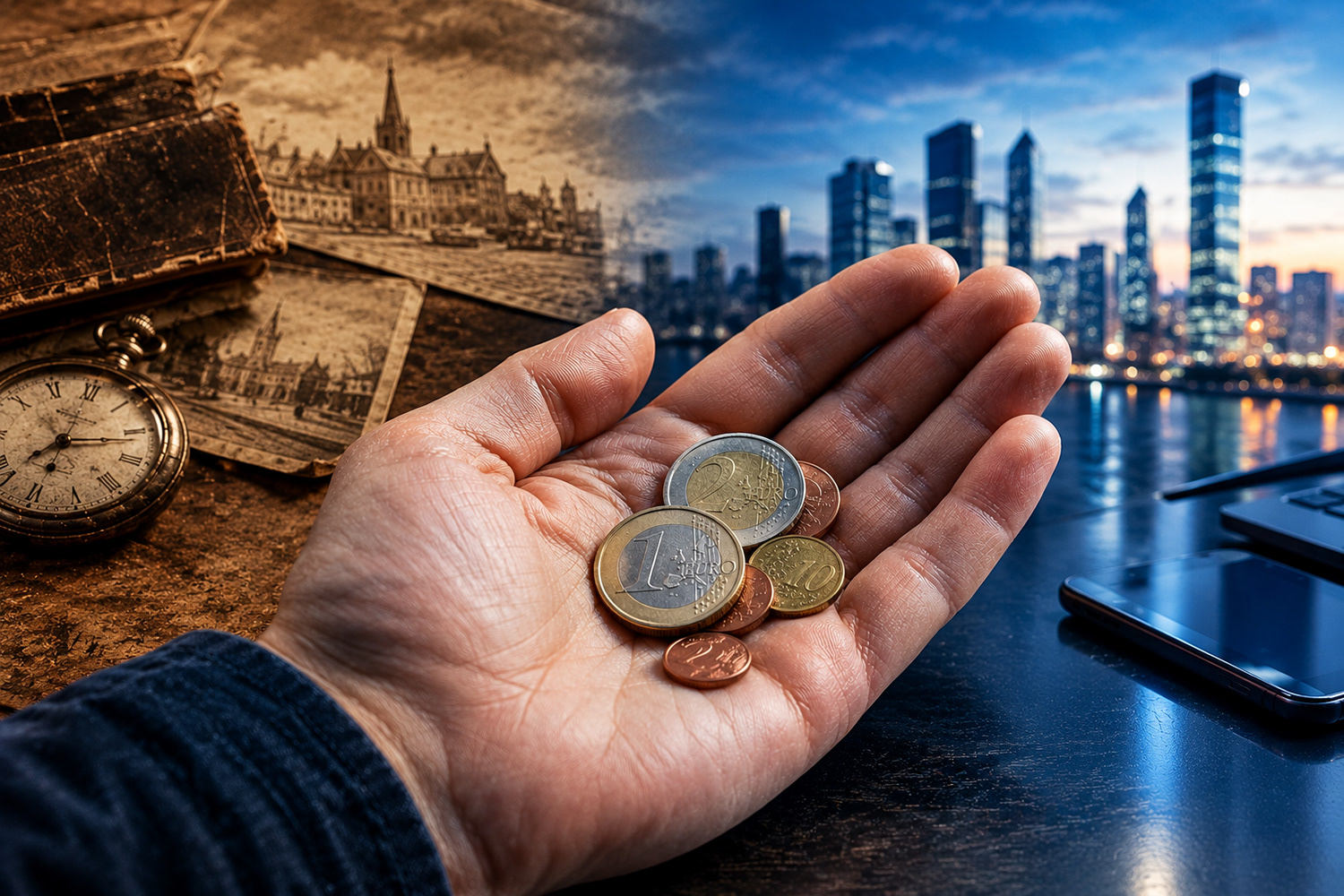
The image represents ChatGPT AI's interpretation of the situation.
Tony Juurinen's Column: Was Everything Better in the Past?
In Finland, Yleisradio's article about students' poor financial situation is nothing new. It reiterates the fact that students do not have enough money to live on. It was insufficient in my time as well, but somehow we managed.
I have begun studying at the University of Jyväskylä, within the Faculty of Humanities and Social Sciences, to complete basic studies in Communication and Journalism. I hold three different communication degrees from previous years, the most recent of which is over ten years old, so it is necessary to update my skills to meet today’s challenges.
I compared my current studies to the situation over 30 years ago when I began my first degree. Even then, money was tight and bread was scarce. In the starting year of 1995, the government implemented "cheese slicer" cuts, meaning a 10 percent reduction in study grants. The cut froze the study grant for 16 years, until 2008.
We also lived very frugally back then. In 1995, the recession years of 1990–1993 were still fresh in memory, and Finland's gross domestic product had fallen by approximately 12 percent during that period. At that time, debt was feared much like a smallholder feared damage, so taking out a student loan was avoided.
The index freeze implemented in 2024 has kept the study grant unchanged at €279.38 per month, with inflation eroding its purchasing power. According to research by Kela (Social Security Institution) and the University of Turku, this support is insufficient to cover essential expenses without a student loan. With only the grant, a student cannot maintain a dignified daily life or fully participate in society, perhaps limited to ordering food from Wolt and riding a scooter to school.
A middle-aged person's memory may not stretch back 30 years, but life was tough without loans despite working hard. We ate tuna macaroni, using ingredients fetched by bike from the local shop, actively participating in the community. My late father once advised me on managing finances: if you neither borrow from nor lend to anyone, you will manage quite well. Following this advice, I successfully completed my studies.
In my time, no one died from cold or hunger, and most people graduated on time and were satisfied. I do not believe the situation is very different nowadays either.
Sep 22, 2026 The Camera as an Extension of the Photographer
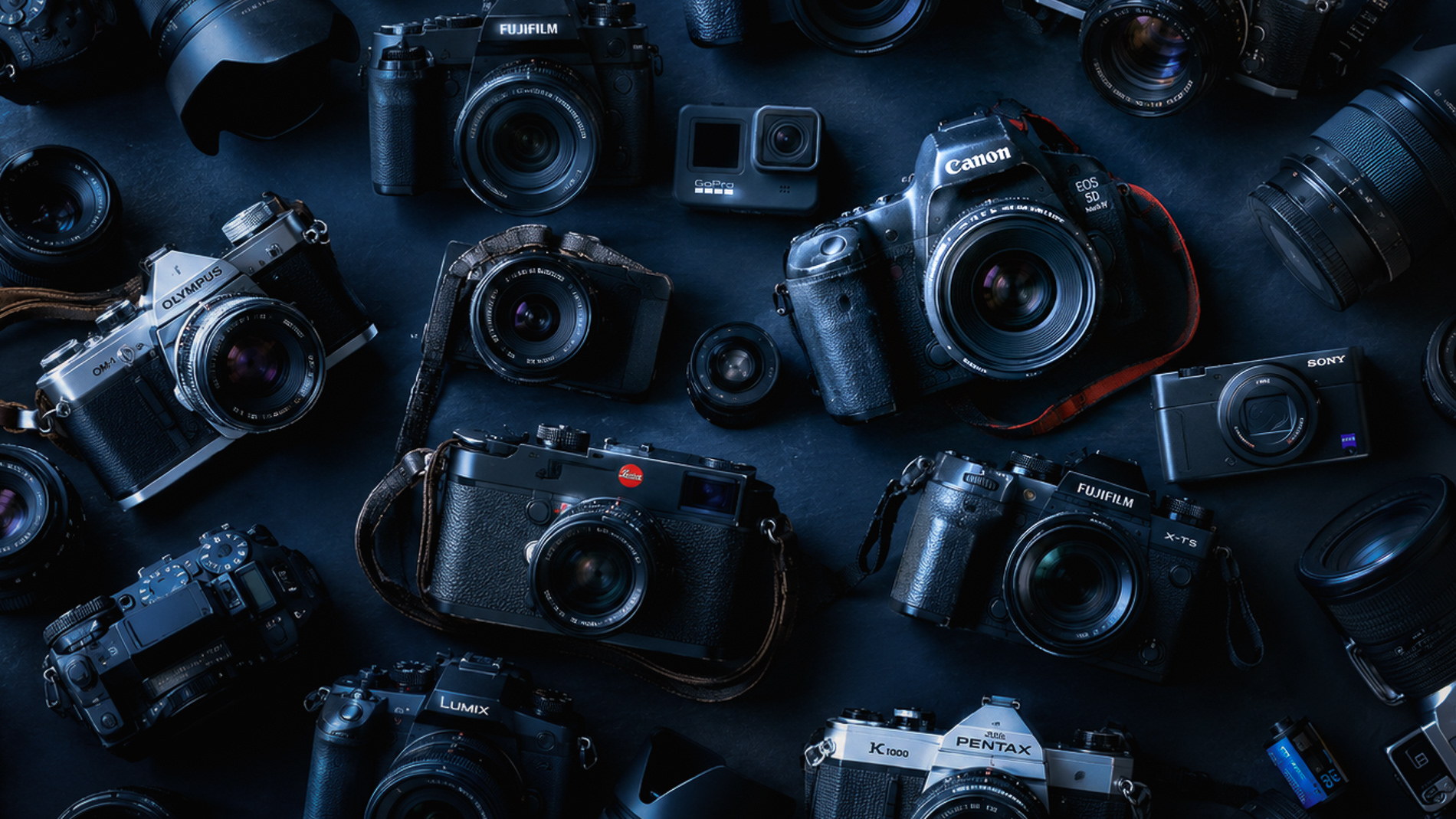
The Camera as an Extension of the Photographer
In my last article, I perhaps gave an overly dismissive impression of equipment. This time, I thought I would write specifically about equipment based solely on my own opinions and present my suggestions to a particular camera manufacturer regarding the kind of device I would want for my work—one that would serve me in the best possible way for as many years as possible.
Skill Surpasses Technology
“A high-quality set of equipment enables a professional to realise their creative vision to a sufficiently high standard.” This is a fact, but the statement “only a high-quality set of equipment enables a professional-level result” is clearly fiction.
Every photographer understands the difference. You need sufficiently good equipment to operate at a professional level, but that alone will not get you far; you also need training, professional skill, and vision. One could write a lengthy novel just about the middle area, but let us return to the equipment I promised.
A concrete example of this can be found in the history of photojournalism. Damon Winter, a New York Times photographer who won a Pulitzer Prize in 2009, shot his 2010 Afghanistan series, "A Grunt’s Life," using only an iPhone and the Hipstamatic app—not professional equipment. Yet the series placed third in the prestigious Pictures of the Year International´s feature picture story category. The controversy following the win concerned precisely the fact that a modest device was sufficient for an experienced professional to produce top-quality images: it was not about the camera, but years of training and vision.
My Choices
For me, equipment is important insofar as it functions as intended and can be relied upon. A camera body that suits me, fast lenses, and a compact, dependable lighting system fulfil my needs in the field. Additionally, professional-grade computer equipment with peripherals is essential, as a finished image cannot be produced using only a camera.
I am not the Mozart of photography, a prodigy who began playing at the age of three, but rather a diligent practitioner who has purposefully trained myself to reach the level I desire. Mozart’s training was overseen by his father, Leopold Mozart, a respected music teacher and court musician. I received my own training on the recommendation of my mentor, from one of Finland’s most esteemed educational institutions of its time. However, I believe that both prodigies and I perform better with appropriate tools. Even if the same result could be achieved with inferior equipment, working is always more enjoyable when using tools that suit one’s preferences.
My preferred brands in this regard are Canon, Godox, and Apple. Over the years, I have come to trust and become accustomed to these companies. The most important factor is not their cost, but the trust I have in the products that meet my specific needs in practising my profession. I do not claim these are the only correct choices—far from it—but they are my personal preferences, which I can confidently defend in any discussion.
Canon’s first commercially sold camera, the Hansa Canon, was introduced in 1936. Godox was founded in 1993, originally as a manufacturer of lighting equipment. Apple released its first Macintosh computer, the Macintosh 128K, on 24 January 1984.
All the brands I have chosen possess extensive experience in their respective fields and have proven reliable to a broad global user base. Therefore, I can confidently say that I am not alone in my choices.
A chain is only as strong as its weakest link. Therefore, it is important to consider the entire set of equipment as an equally strong whole, rather than investing in an expensive camera body, using poor-quality lenses, and processing images on a low-spec PC.
Desired Camera: Fewer Features, Greater Durability
Camera bodies are the only part of my equipment where I would like to see a clear change. I have used Canon 5-series bodies, starting with the Canon EOS 5D Mark II.
This innovation was officially released in September 2008. At the time, the camera represented a significant breakthrough as it was the first Canon EOS digital SLR capable of recording Full HD video. This feature revolutionised the industry, particularly for independent filmmakers and videographers.
The same excellent feature—video capability—has been retained from model to model, yet I still find it entirely unnecessary in my own camera. I am, and will always be, a still photographer, as that is what I was trained for and the world I once fell in love with—just as I did with Canon camera bodies when I transitioned from Minolta to the digital realm. Although I don’t recall the exact first model, it was in the early 2000s.
The transition was not easy at first, as it significantly altered the entire working method. I carried my Minolta with me just in case. During one shoot, the new camera began to malfunction, and I couldn’t achieve the correct focus, so I quietly switched back to my old camera and completed the photography.
Of course, I am aware that some camera bodies have been released without video capability. For example, the Nikon Df (2013) and Sigma SD1 Merrill (2012) were digital SLRs without any video recording function. Additionally, several Leica M10 series cameras, such as the Leica M10-P and M10 Monochrom, have focused solely on still photography without video recording. I would like to see a similar release from Canon for the 5-series, as I have become accustomed to Canon’s interface over the years and have come to trust the brand itself. A reasonably sized camera body with controls for shutter speed, aperture, and ISO, alongside powerful focusing, would serve me better than current models with various fancy features that I find difficult to comprehend.
Of course, I understand that many photographers create videos and require various additional features. Canon also aims to meet this demand and has succeeded admirably with high-quality products.
Producing videos is, of course, a wonderful pursuit, as it is very much a part of contemporary life. I have also tried making videos as a hobby, but I have found moving images too restless by nature for me. “Shoemaker, stick to your last,” as the old Finnish saying goes, and there is indeed a grain of truth in that.
If I were to create a piece on the fortepiano, the result would likely be as challenging to appreciate as if Mozart were to produce something using a modern camera. Both works would be difficult to experience and understand.
What benefit would a camera body without video capability offer me? I see it this way: at present, I pay for features I don’t need, even though those features do not interfere with use. If the same amount were invested in still photography features, perhaps I would have a better camera specifically designed for that purpose—not a general device for all types of shooting. Therefore, cameras do not need to become cheaper to purchase, but as an informed consumer, I would prefer the idea of paying only for what I actually use.
A larger size and weight would also be beneficial for me; it would provide greater stability and a more substantial feel when shooting. The new R-series is considerably lighter, which many photographers, of course, appreciate.
For me, a new camera is a long-term investment, which I fundamentally expect to function technically for the next five to eight years. So far, the innovations from the brand I use have not disappointed me.
I also believe there is a broader perspective worth considering: a camera body that serves me well for many years without the need to upgrade every other year in pursuit of new video or additional features is both an ecologically and economically more sustainable choice. Durable equipment is not only a saving but also a statement against replacing devices merely for the sake of change.
Of course, there are individuals who take few photographs but change their equipment frequently. Their passion lies in the gear rather than photography itself. It is wonderful that cameras also inspire people with diverse interests, and Canon is unlikely to mind this.
The Future of Camera Technology
Several revolutionary trends are evident in the development of professional photography equipment and technology. Based on industry patterns and technological breakthroughs, future professional cameras are expected to evolve primarily in the following key areas:
1. Computational Photography and Artificial Intelligence (AI)
Computational photography, well known from smartphones, is making a significant impact on professional system cameras.
- On-device AI processing (NPU chips)
- Predictive, subject-aware AI-based autofocus
2. Revolution in Sensor Technology and Optics
Instead of increasing sensor sizes, the focus has shifted to improving readout speed and light measurement accuracy.
- Global shutter and stacked sensors
- Organic and curved sensors
3. Real-time Cloud Workflows and Lightning-Fast Distribution
In professional photography—such as sports, news, and event photography—speed is a decisive factor.
- Camera-to-Cloud (C2C)
- Authenticity and blockchains (C2PA Standard)
Technology Changes – I Do Not
The professional camera of the future will not merely be an optomechanical device that collects light but an intelligent computer integrating the laws of physics with AI-based processing. Although AI automates technical decisions such as exposure, focus, and basic adjustments, the photographer’s role remains that of visual storyteller, composer, and artistic visionary.
All in all, we cannot ultimately predict what future tools will be like. Certainly, Canon will continue to invest significantly in developing consumer-level devices, the latest being the Canon EOS R8 Mark II, as their consumer base is much larger and model replacement cycles are more frequent. After all, the company’s objective is to generate profits that can fund development of the 1- and 5-series professional equipment.
I still have many working years ahead, so I will undoubtedly witness numerous changes in professional equipment. However, this does not concern me greatly, as the camera, like other tools, is merely an extension of my professional skills, enabling me to realise the vision of each shoot.
I have never been particularly interested in any kind of technology, probably because I am hopeless at it. I do not understand the essence of technical devices, so I only know how to use them correctly. If I had to fix something, I would probably only make the problem worse. I do follow technological developments out of a sense of duty, but reading about them and truly understanding them are two very different things.
The Core of Photography
For me, photography remains a creative process, a form of storytelling, and an opportunity to meet people, despite being described as a technical and artistic discipline. For many, the first thing that comes to mind when they hear the word ‘photography’ is the camera, which is understandable since it facilitates the activity. However, my initial association is with the story. This perhaps reflects my personal perspective and relationship with the device originally known as the Camera obscura, now more commonly and familiarly referred to simply as the camera.
What is your relationship with the device discussed in this article? Is it an endlessly fascinating technical gadget whose greatest joy lies in taking it apart and exploring how it works, or is it a kilo of metal with which you forge your creativity in the fiery forge of dazzlingly new visual storytelling?
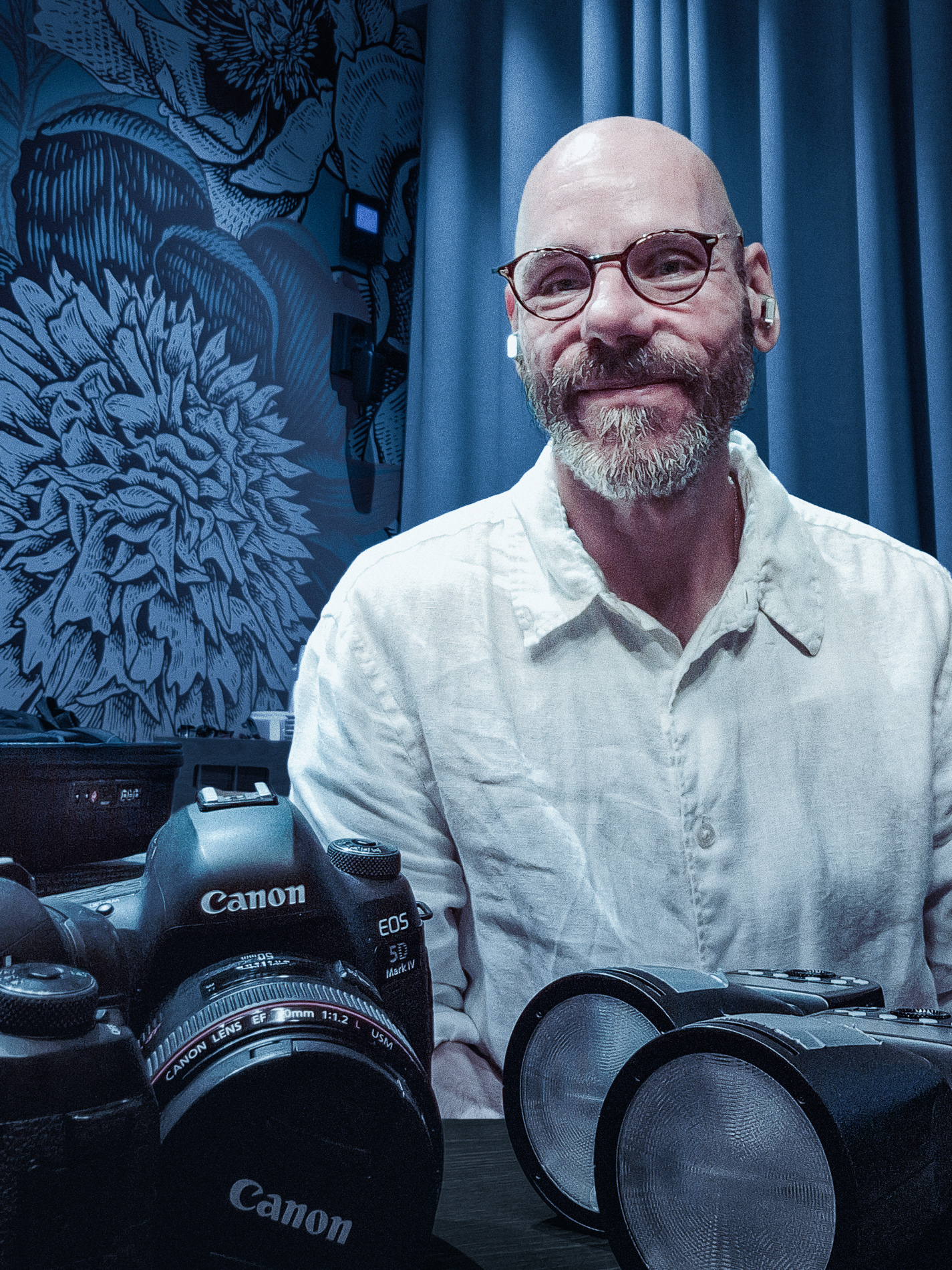
I still use the Canon EOS 5D Mark IV camera, which celebrated its 10th anniversary last month since its release.
Sep 15, 2026 The Art of Empathic Listening – The Photographer’s Invisible Superpower
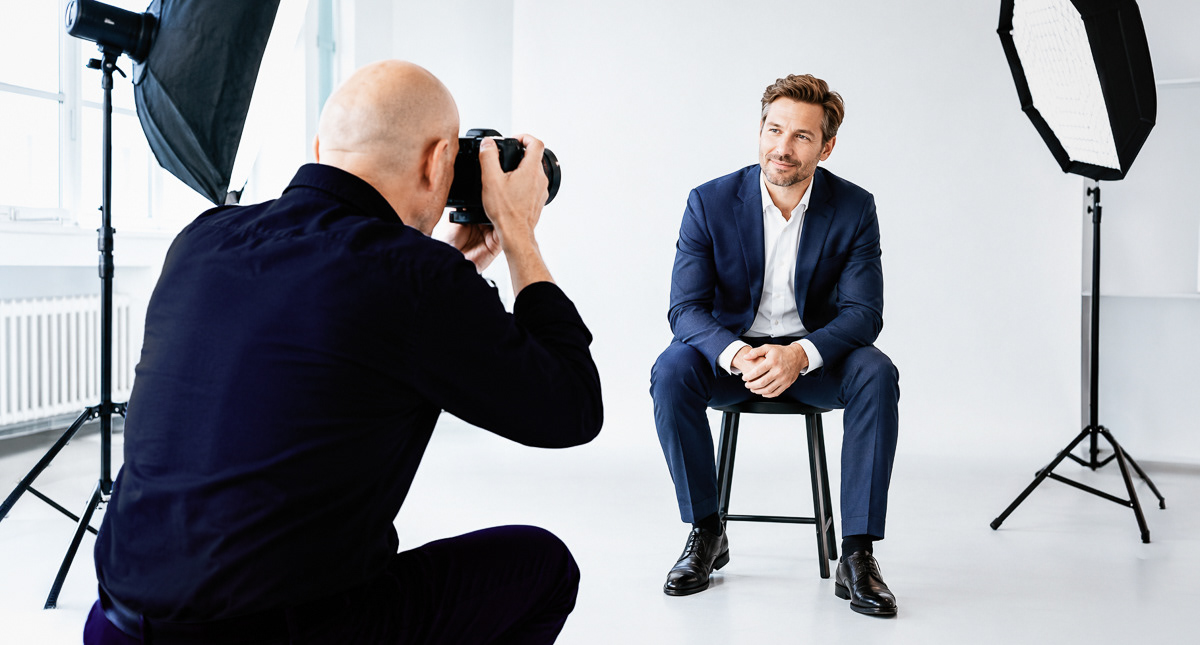
The Art of Empathic Listening – The Photographer’s Invisible Superpower
A good portrait does not arise by chance or through mere technical skill. It is born from an encounter: how the photographer listens, shapes the situation, and creates a sense of normality for the person who is temporarily outside their comfort zone.
When Roles Are Reversed
Last spring in Lisbon, I was photographing portraits for another photographer. We had a little extra time in the studio, and unexpectedly, I found myself in front of the camera for the first time in a long while. I stood before a large cyclorama backdrop, in the middle of an empty space, while a colleague photographed me from several metres away. I felt lonely and uncertain, as I didn’t know how to pose to look presentable.
The experience reminded me how unnatural a photo shoot can feel to many—especially those who are in front of the camera for the first time or only rarely. In large studios, the space often tempts the photographer to keep too much distance from the subject, even though closeness is what enables effective direction of the model, one of the photographer’s most important tools. Contact with the subject fosters a sense of safety and trust and paves the way for genuine verbal and non-verbal interaction.
We photographers should regularly place ourselves in front of the camera. It reminds us of the situation we ask our models to step into – beyond the boundaries of normality, into a completely different world. Routine can easily take over: distance from the subject or non-verbal communication is often forgotten when the basic work begins to run on autopilot. Yet it is precisely those small details that make the experience more pleasant for the subject and create a memorable session – resulting in higher-quality portraits saved on the memory card.
Verbal and non-verbal communication cannot be effectively conveyed through a telephoto lens.
The Skill of Listening
A photographer’s work is always a collaboration and interaction with the subject. Communication is a two-way process in which meanings are shared and created through words and gestures, and the way we manage this communication shapes the entire atmosphere of the shoot. This requires empathetic listening: the ability to put oneself in the subject’s shoes and sense how they feel at that moment in a situation that is often unfamiliar and nerve-wracking for them. The psychological atmosphere that arises can work either in our favour or against us, depending on how well we can read and respond to the model’s wishes and personality.
Listening does not merely mean hearing speech. It is an active process aimed at understanding not only what the other person says but also what they mean – and sometimes what they leave unsaid. Interestingly, listening also influences what the other person will say next: a good listener does not simply receive a message but shapes the entire course of the interaction. Genuine presence does not require agreement on everything – it is enough to understand the other’s perspective and to shape one’s actions accordingly. At best, this benefits both the subject and the photographer, as well as the shared goal of the shoot.
The most important skill is not speaking, but listening. Many people hesitate to voice their concerns, such as mentioning a feature that bothers them. With a keen ear, one can ask precise, relevant questions and, based on the answers, also address the client’s unspoken wishes. This often leads to a long-term client relationship that provides meaningful challenges for years to come.
Language, Culture, and Non-Verbal Communication
I work extensively in English, which, as a Finn, is not my mother tongue – nor is it often my clients’ either. Nevertheless, it is the only common language through which verbal communication between us can succeed. When using a foreign language, one must ensure clarity and that the words align with the non-verbal message. There are also nuances within English: British English, which I learned at school as a European, sounds different from, for example, American English, and even a slight nuance can alter how my message is interpreted. Similarly, cultural differences are something that ignoring can backfire on during a shoot: verbal interaction interprets and produces reality through culturally bound meanings. Language does not merely describe reality – it participates in constructing it. The same word or expression can evoke completely different images in different cultures.
In Finnish culture, direct and concise communication is often perceived as a sign of honesty, efficiency, and reliability. In other cultures, the same style may be interpreted as coldness, rudeness, or a lack of respect. Neither interpretation is objectively correct – the cultural context simply provides the framework through which another’s words are understood.
Sometimes, I also use my mother tongue: if the atmosphere is very tense, I might say a short sentence in Finnish. This usually causes surprise and sounds amusing – one participant from Greece described my language as “like a penguin speaking.” When I explain what I have just said and its meaning, the tension dissipates and the model relaxes. They were not entirely wrong, as Finland is indeed a cold country, although we do not have penguins living here.
Understanding the model’s cultural background helps in choosing the appropriate communication style.
Who Controls the Situation?
In the photographer’s profession, verbal and non-verbal communication, along with the skill of listening, are as important as technical expertise with the camera and lighting—especially in portrait and corporate photography. A person in a leadership position is accustomed to performing, but when the camera is pointed directly at them, their confidence can vanish; they may not know how to behave or what is expected of them. If the photographer does not provide clear instructions, the situation can spiral out of control—like a rudderless ship drifting towards rocks. The authority then lies with the photographer, even though the leader is used to the opposite dynamic.
“Just be relaxed” does not help if the photographer themselves appears rushed or nervous – it is the surest way to provoke the exact opposite reaction, just as the request “don’t look to the left” causes the gaze to turn precisely in that direction. A calm presence, open body language, and genuine interest help the subject to relax and influence which version of themselves they dare to show to the camera. Alongside technical instructions – such as “turn your head slightly” or “chin down a bit” – it is worth adding words that reduce performance pressure: “You don’t need to try to look any special way; let’s take a few shots calmly first.” Instructions should be given one at a time, unhurriedly and clearly, always allowing enough time for the model to carry out each request before moving on to the next.
“Just be relaxed” is the surest way to make the situation exactly the opposite.
Listen, Observe, React.
When a photographer captures their subject, they are simultaneously a listener, observer, and storyteller. It is important to notice not only what the person says but also what they emphasise, what they leave unsaid, and when their energy shifts. These changes can reveal something more authentic about the individual—and, at the same time, indicate when the personality worth capturing on the camera sensor emerges.
Changes can be observed in the shoulders, hand movements, eye contact, gestures, and facial expressions. However, gestures should not be interpreted in a strictly black-and-white manner, as their meaning depends on the context – crossed arms do not necessarily indicate defensiveness. A more pertinent question is: what has just changed in this person and situation, and how should I respond to achieve the change I am aiming for?
Silence provides space to think and relax. Constant instruction is not always necessary; a calm moment without speech can help the subject forget the camera and be themselves for a while. The clichéd movie scene in which trendy music blasts in the background is, in this context, completely absurd: loud music hinders communication and anchors the subject’s mind, causing the camera to capture only their outward appearance—not their true self.
Silence is the photographer’s most underrated tool.
Interaction Surpasses Equipment
The final result always emerges from the combined effect of the subject, the photographer, and their interaction. Two photographers can shoot the same person in the same space, under identical lighting, and with the same equipment, yet the results can be completely different – because the subject responds differently to different people. A photographer’s true competitive advantage lies in their ability to genuinely connect with another person in a unique way. If you wish to list qualities on your website that demonstrate professionalism, it is better to highlight communication skills rather than camera equipment – the latter only indicates how much money you have spent, not your capabilities.
On social media, photographers often compare camera bodies, lenses, and lighting equipment—discussing who needs what to capture great photos and how much capital to invest, preferably a little more than others, naturally in the name of competitive advantage. However, communication and interpersonal skills cannot be purchased in a camera shop, even though they are crucial to the work. No matter how excellent the camera is, it will not produce good portraits if the photographer’s communication skills remain concealed behind the expensive equipment.
Interaction requires knowledge, skill, and the courage to reveal oneself, as genuine encounters yield the natural outcome fundamentally expected from a good portrait. Communication is always reactive and reciprocal: if we desire something from another, we must first offer something of ourselves. An old Finnish saying applies here as well: the forest answers as it is shouted into. And if anyone knows this, it is the Finns – after all, most of Finland’s surface area is covered by forest.
A good working process can be summarised in three tasks maintained throughout the shoot: listening, observing, and photographing. When the photographer understands their subject’s motivation, background, and identity, the environment, atmosphere, and visual language can be constructed more purposefully. The image then no longer merely shows what a person looks like – it begins to reveal who they truly are.
Let us return briefly to the Lisbon studio. When I stood alone in front of the cyclorama backdrop, uncertain of how I should present myself, I imagined a small Finnish troll beside me. Suddenly, I was no longer alone in the vast space but had an imaginary spiritual companion sharing the environment and situation with me. This allowed me to relax, and the smile came naturally, quite spontaneously.
That is the essence of this entire article in miniature: when something—be it another person, imagination, or simply the feeling of not being alone—shares the moment with us, we dare to reveal ourselves as we truly are. Creating that feeling is the most important task of a good photographer.
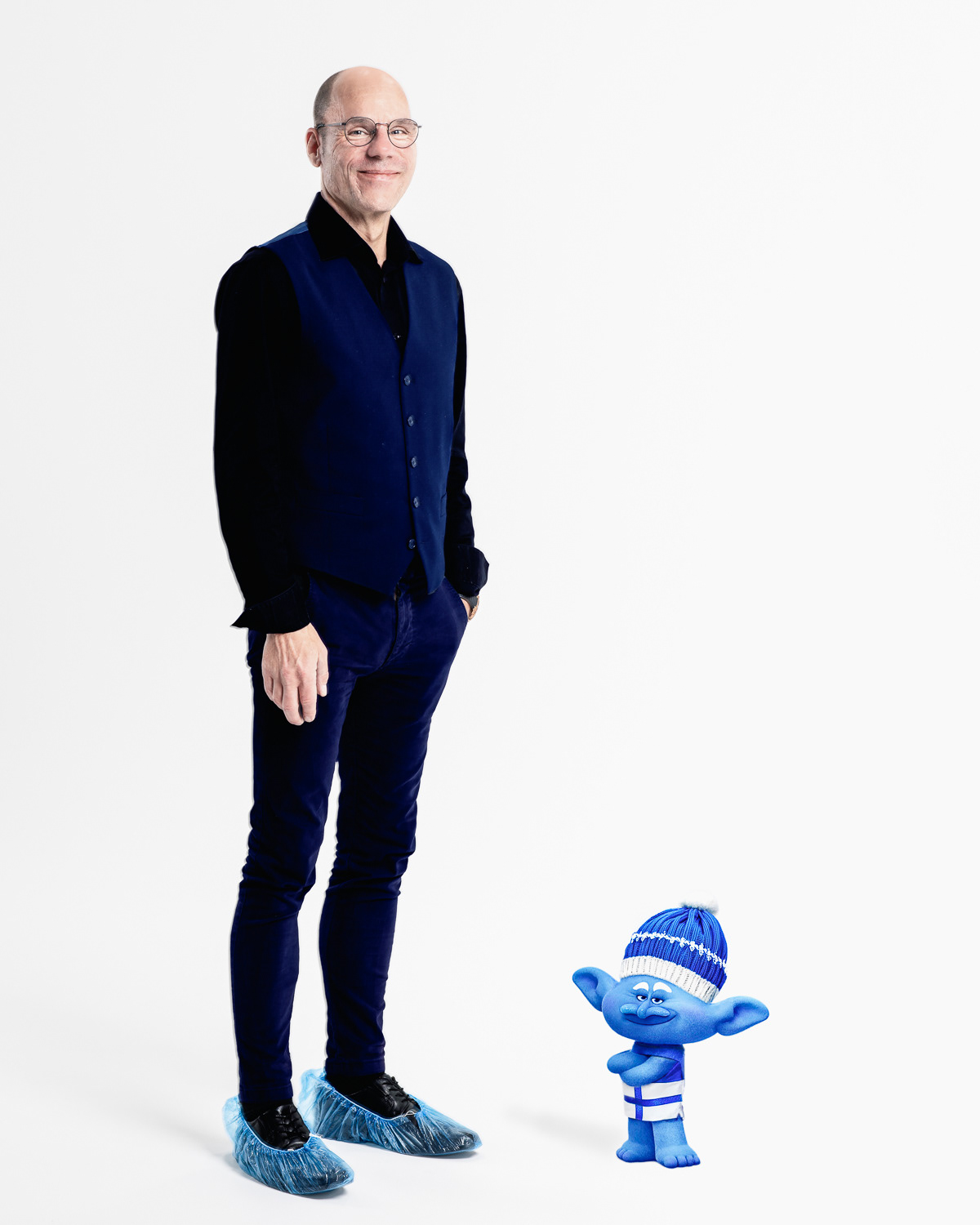
Being photographed is anything but a natural situation; at such times, a mental connection with the photographer is important—a bond that creates a sense of normality. Since this was missing when I was modelling, I imagined a small Finnish troll beside me, so I was no longer alone in the large space and was able to relax, allowing a smile to come naturally and effortlessly.
Sep 8, 2026 A faceless company is an invisible company—this is why every brand needs a recognisable face.
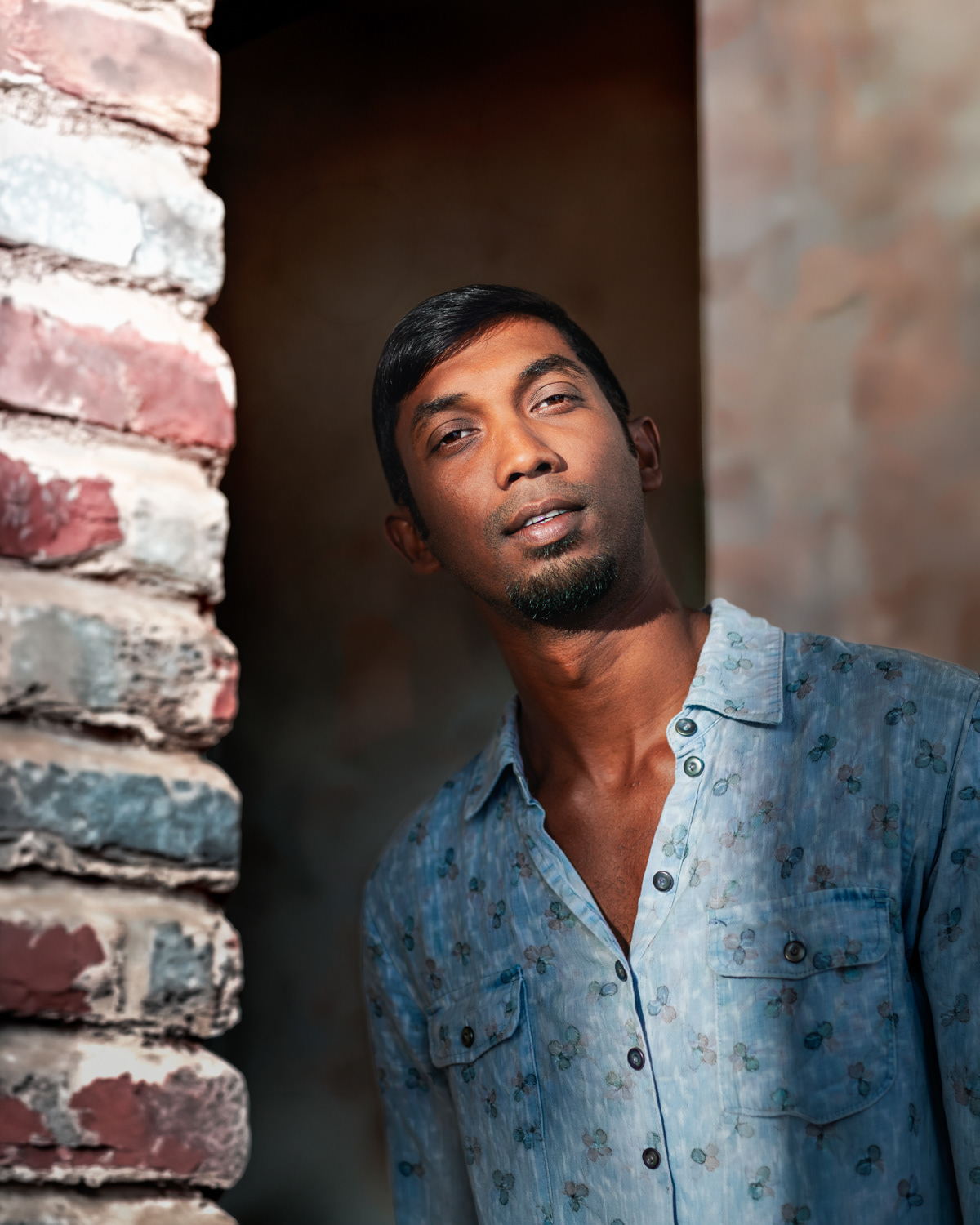
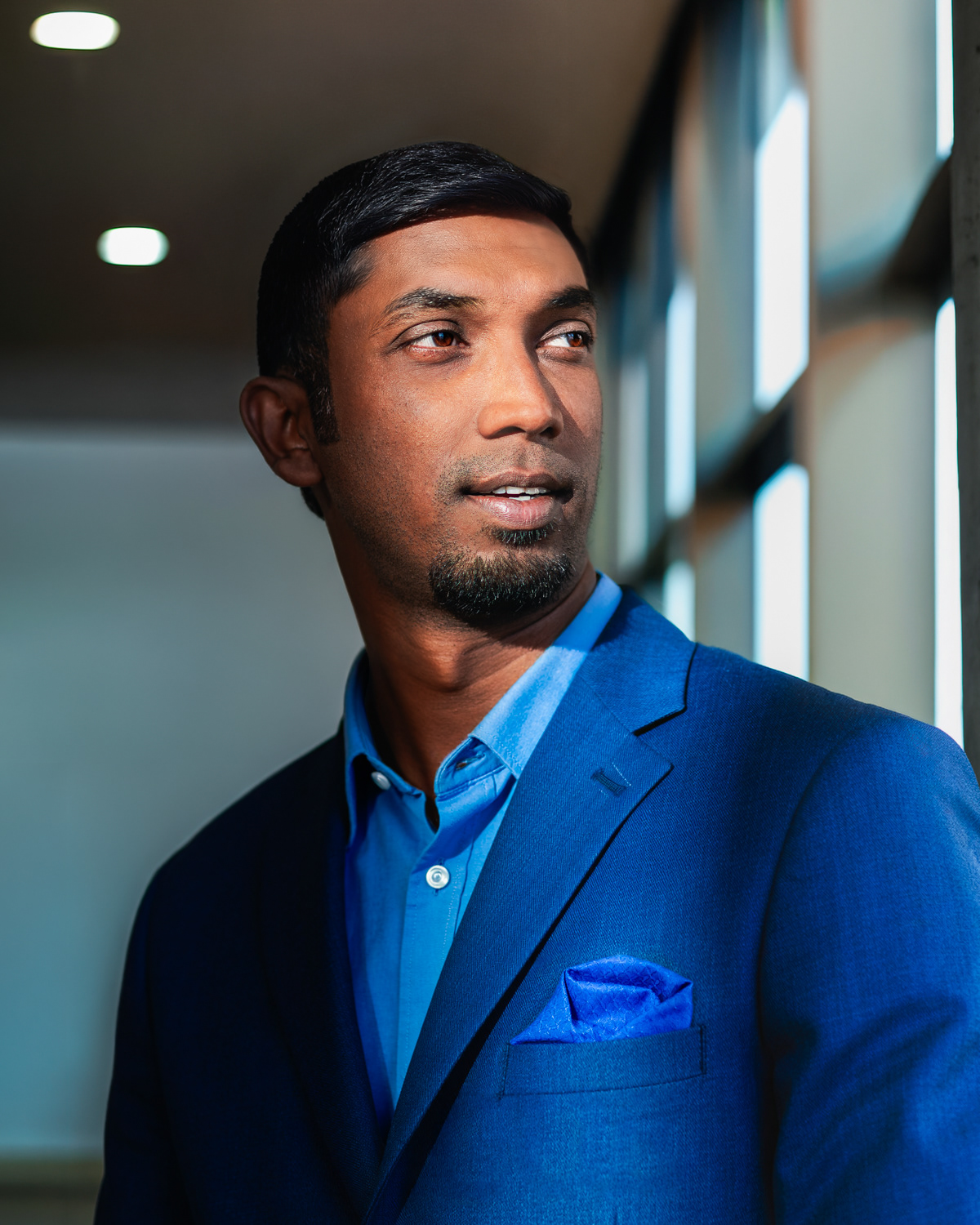
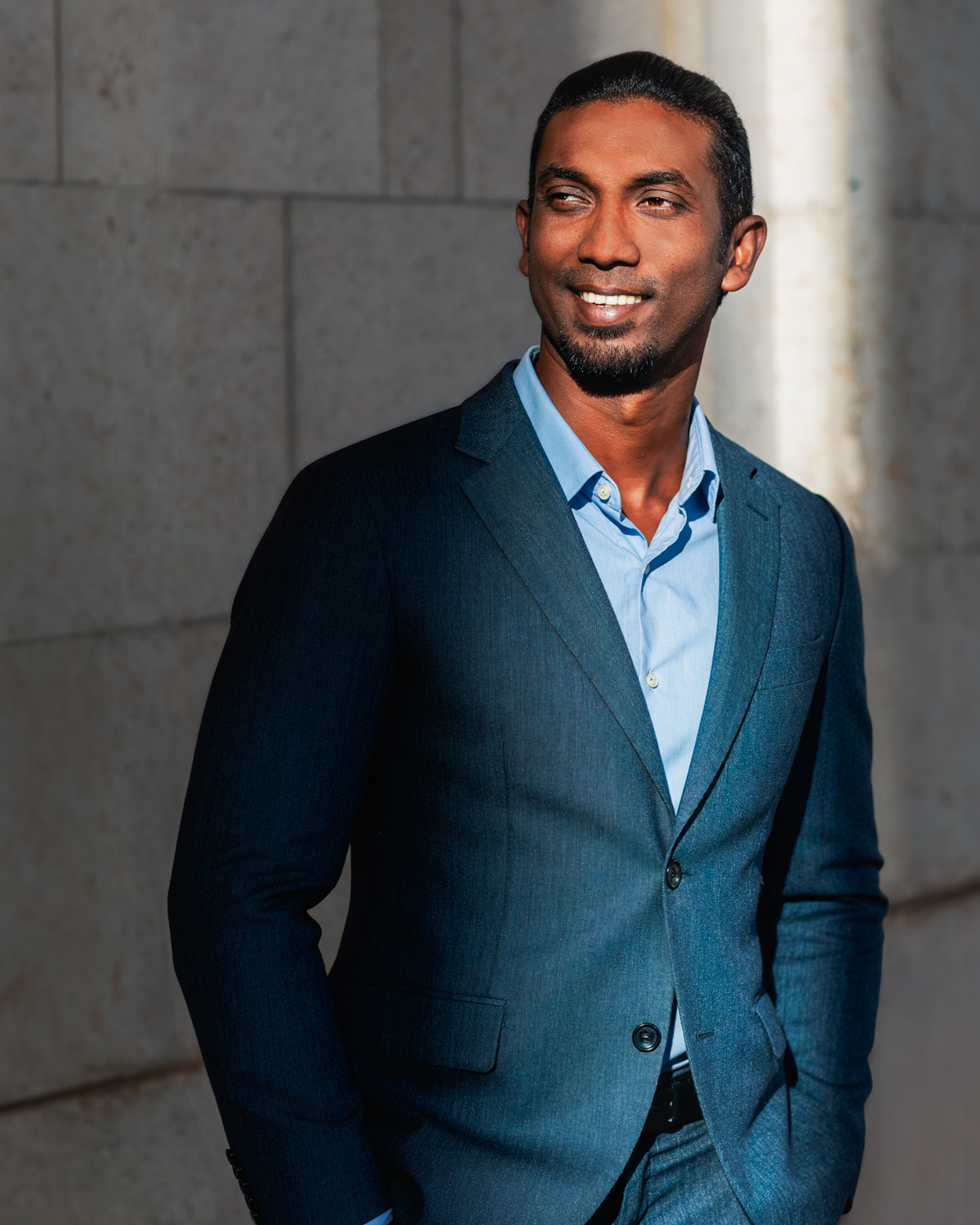
A faceless company is an invisible company—this is why every brand needs a recognisable face.
Why the visibility of a company leader has become an increasingly important factor in building trust, enhancing brand reputation, and driving business success.
It is 2026, and the rules of the marketing game have changed irrevocably. Just ten years ago, a company could build its credibility with only a logo and a slogan. Today, that is no longer sufficient, as consumer buying behaviour has evolved. People do not buy from companies—they buy from people they trust.
This is precisely why an increasing number of successful international companies have positioned their CEO or founder at the heart of their marketing efforts. The corporate brand is promoted through a personal brand, as it is consistently more tangible and approachable to consumers.
This is not merely a trend or a fashion phenomenon; it represents a structural shift in how trust is established in the digital world, affecting every company regardless of size or industry. On digital platforms, information spreads rapidly and reaches a vast audience, making recommendations and customer experiences critically important—especially in online shopping. These reviews provide prospective buyers with valuable insights, both positive and negative, and ideally, they help to build trust in the reputation of the company offering the product or service.
In digital marketing, a corporate brand is more effectively promoted through a personal brand.
Trust has shifted from institutions to individuals.
Something fundamental has occurred in recent years: trust has eroded from institutions and shifted towards individuals. Press releases prepared by corporate communications departments and impersonal social media updates no longer inspire the same level of trust as they once did. Instead, people place their trust in experts, peers, and leaders who speak in their own voices.
The numbers strongly support this observation. Research indicates that a significant proportion of people place greater trust in a company when its management is active on social media. Similar findings have emerged from the annual Connected Leadership studies conducted by the consulting firm Brunswick Group, which reveal that readers who follow financial news trust leaders active on social media significantly more than those who remain invisible. Across various years, this trust coefficient has ranged approximately between four and nine times. In the current climate, a lack of visibility can even be perceived as a withdrawal from engaging with stakeholders. This phenomenon has also been explored in the “Leading from the Front” research series by FTI Consulting, whose reports over several years have consistently found that a large proportion of professionals—sometimes exceeding 90 per cent—are more likely to trust a company whose leaders use social media (fticommunications.com).
However, beneath these statistics lies a more complex truth: trust in the age of social media is not built through traditional displays of power – it is established through what psychologists term “strategic vulnerability”. In social and organisational psychology, strategic vulnerability is often regarded as a wise interpersonal skill. It is a phenomenon known as humanisation, whereby a highly competent individual becomes more liked and approachable in the eyes of others when they make a small mistake or admit to clumsiness. We all make mistakes occasionally, and acknowledging them demonstrates honesty and an understanding of the errors made by others. A leader can deliberately share a story of their failure to enhance their appeal without undermining their authority.
The active presence of the company's management on social media fosters trust in the organisation.
The same trend is also evident on the consumer side. The Trust Barometer research series on brand trust and consumer behaviour over various years has consistently shown that a significant proportion of consumers place considerably more trust in recommendations from familiar individuals or independent influencers than in the brand’s own advertising. This trust serves as a bridge, helping to overcome any prior reputational damage to the company.
This tells us something essential: a brand's reputation is no longer based solely on the product or service, but on who stands behind it and how openly they present themselves.
When a company has suffered a reputational problem, consumer attitudes usually do not change instantly. Previous experiences act as a filter, and it is in such situations that the company’s own advertising is often at its weakest. The company may claim that it has changed, is responsible, customer-oriented, or reliable, but consumers are aware that the company has its own interests in making these claims and therefore doubt the truthfulness of the message. Consequently, an individual person can be far more credible.
For example, the CEO of a company or another well-known individual can give the company a human face. The consumer then evaluates not only the logo and the advertising message but also the person – who is a much more approachable concept. The company's CEO can thus help establish the conditions for new trust among consumers. Something very important happens here: the company's abstract reputation is transformed into a personal relationship of trust.
A front image is not vanity; it is a business decision.
Many entrepreneurs and leaders feel alienated by the idea of their own visibility. It is often perceived as self-praise or an irrelevant waste of time compared to the core business. However, the reality is quite different. When the personal brand of a CEO or founder is developed consciously and consistently, it becomes a measurable driver of growth—not an ego project. High-quality personal images and engaging articles figuratively bring the leader of a large company, even if seen as distant, down to a "human level," making it clear that the individual is, after all, only human—and often a pleasant person with an interesting story. It is much easier for the average person to trust such an image than a logo that exudes a cold, metallic shine.
A global study, "The CEO Reputation Premium," published in 2015 by the international communications agency Weber Shandwick, revealed the significant impact a CEO's reputation can have on a company's overall standing. The business leaders who participated in the study estimated that a CEO's reputation accounts for, on average, nearly half—approximately 45 per cent—of the company's overall reputation. Furthermore, the study found that around 44 per cent of the company's market value was attributed to the CEO's reputation.
When a company's management is visibly and actively present on social media, many employees feel that it strengthens the brand image of the entire organisation. The effect is therefore not limited to external communication alone but is also reflected in internal engagement and the employer brand.
A positive sense of self in employees is more engaging than a distant, pre-written task description, which is often perceived merely as something to be completed rather than something to be accomplished collaboratively. Such a positive self-image also tends to be more outwardly appealing, generating greater interest from a wider audience.
The effect is most clearly observed in sales figures. Companies whose CEOs regularly publish content have demonstrably achieved higher closing rates in external sales compared to those where management remains in the background—likely because potential customers are familiar with the decision-maker even before the first contact. However, there is no precise, universally applicable figure quantifying the extent of this phenomenon. Additionally, sales cycles are significantly shortened when trust is established in advance through content.
High-quality profiles and engaging articles bring leaders "down to the level of the people."
The Problem of Faceless Giants
A particularly interesting phenomenon is observed in large, international companies. Many possess extensive marketing resources, high-quality campaigns, and professionally produced content – yet the reach and engagement figures of their corporate accounts often remain modest compared to those achieved when the same content is published from the profile of an individual director or founder.
Several analyses of LinkedIn indicate that personal profiles reach their audiences significantly more effectively than the official business accounts of the same companies. Depending on the industry and the measurement method, the difference varies from a few times to more than tenfold. Although there is no definitive multiplier applicable across all industries, the trend is consistent across sources: the founder’s personal account clearly outperforms the business account.
Globally respected LinkedIn expert Richard van der Blom analyses millions of posts every year as part of his algorithm research. According to his annual analysis, posts on personal profiles receive a significant boost in reach in the eyes of the algorithm if they spark meaningful discussion within an hour of publication. Posts on company pages now account for only a small fraction—roughly a few per cent—of the entire LinkedIn news feed.
Social media algorithms have fundamentally changed how companies’ content reaches their audience: a company’s posts are no longer automatically visible even to its own followers. Instead, the platforms’ algorithms select the content shown to users based on their interests, past behaviour, and the presumed relevance of the content.
This has made organic visibility for companies considerably more uncertain than in the early years of social media. A company’s own publications now compete in the same environment as users’ personal contacts, influencers, recommended content, and paid advertising.
Therefore, merely maintaining a company’s own social media channels no longer guarantees significant visibility. A company must be able to produce content that engages people to the extent that they pause, respond to it, and, above all, find it useful or credible.
Social media is designed to facilitate interaction between people.
Here, the importance of people increases. A message conveyed by a company director, expert, employee, or customer can seem more personal and credible to the user than a traditional marketing message published in the company’s name. In the age of social media, a company’s visibility is therefore no longer just a question of distribution—it is increasingly a question of trust. This is not because the content of company accounts is inferior; rather, it is due to the combined effect of algorithms and human psychology. Social media is designed for interaction between people, not for the communication of anonymous logos.
This presents a particular challenge for large, publicly listed, or otherwise highly institutional companies, whose communications have historically been channelled through tightly controlled avenues and statements approved by the legal department. When a competitor conveys the same message through a genuine, recognisable individual, the faceless giant is easily overshadowed – regardless of budget.
Why is this particularly important for smaller companies?
In startups and SMEs, this phenomenon is even more pronounced because, in the early stages, the founder often embodies the company in the eyes of the customer. A business account has not yet built up the brand equity or recognition over time to support content independently. For new and smaller companies, a business account alone is simply insufficient to attract attention—especially in a competitive environment where larger players dominate paid visibility.
In this situation, the founder’s own voice is often the most effective—and frequently the most affordable—way to build visibility. When the founder openly shares successes, failures, and decision-making processes, it establishes credibility in a way that no business account publication can. Today’s B2B buyers are increasingly sceptical of overpromises and value authenticity more than polished communication. The same principle applies to companies targeting a younger consumer base, which often allow their young social media experts to act as the company’s face on social media. This approach is effective precisely because social media platforms are already familiar to young people, and the customer base receives the message more readily when it comes from a representative of the same generation. The principle is the same as with a CEO’s cover photo, only the target audience changes.
First, however, you need to develop a strategy for yourself and establish boundaries regarding what and how much you are willing to share about yourself and your life.
Sharing too much information can, at worst, pose a security risk.
Sharing too little is often perceived as unconvincing.
Small companies must find the right balance themselves, whereas leaders of large companies employ experts and support teams to achieve this.
Authenticity is more effective than polished communication.
How Companies Can Improve Their Approach
Although the phenomenon is increasingly recognised, many companies – especially large, international ones – have yet to fully capitalise on it. If communication lacks clarity, consistency and authenticity, it will be ineffective, as it will not be perceived as credible. The best-performing content in 2026 will not consist of polished advice or ready-made frameworks, but rather transparent observations: real figures, genuine decisions and the trade-offs behind them. This is what distinguishes authentic expert communication from traditional, distant corporate messaging. A company need not conceal its leader behind press releases – the CEO or founder can serve as the "face" of the company without the entire communication descending into a personality cult.
Visibility is no longer an optional extra.
The greatest risk for international, historically faceless companies today is not that they communicate incorrectly, but that they fail to communicate through a person altogether. When a competitor delivers the same message in the voice of a recognisable, trustworthy individual, the message resonates more widely, more credibly, and more effectively.
This does not mean that the corporate brand loses its importance – the corporate level and the personal brand are not mutually exclusive but rather complementary. A strong corporate brand provides a framework within which the personal brand can build trust on a more tangible, human level. The best results are achieved when both work in tandem: the company provides structure and credibility, while the front person gives it a face and a voice.
For companies seeking to stand out in a crowded market, the question is no longer whether to have a visible front person, but rather who that person should be and how to systematically integrate their visibility into the company’s marketing strategy. Companies that make this decision consciously and consistently, with the assistance of experts, create a competitive advantage that is increasingly difficult to achieve through budget alone.
What do you think – does your company have a clear public image, or is your communication still concealed behind a logo?
written by: Tony Juurinen
Photography and Corporate Communications
If you require high-quality corporate communication through a personal brand, please contact me tony@tonyjuurinen.com and I will create one for you, complete with high-quality photographs.
Sept 1, 2026 From Recorder to Storyteller: The Evolution of Photographers
Winds of Change
I have observed the changes with growing curiosity, noting a transformation in my own work. Generative artificial intelligence has become an integral part of commercial image production across many fields, and clients’ attitudes towards image material have evolved accordingly. This shift is also reflected in the requests I receive from my clients: an increasing number now seek ownership of the raw material, in addition to the finished images, for their own further processing. Whereas editing photographs was once almost exclusively the photographer’s responsibility, it is now often undertaken by the company’s own visual designer, who ensures the desired visual style for communication.
I do not believe the need for a photographer has diminished, even though some images are now created for clients in ways different from the past 187 years, traditionally using a camera. Marketing relies on visual material more than ever. What is more important is that images no longer need to be produced entirely by traditional methods, which has compelled me to reconsider the nature of my expertise and the value I offer to clients.
Having observed the evolving purchasing behaviour of companies, I understand that customers now seek vision and creativity rather than merely the final product. The hardest hit are photographers whose images are "replaceable" or resemble stock photos. Therefore, photographers must develop their skills to remain relevant in the market. I believe that clinging to outdated styles and familiar working methods will not endure in the future.
“Customers are now seeking vision and flavour rather than merely the end result.”
From Technology to Comprehensive Service
Nowadays, almost anyone can take a basic product photograph or a simple portrait after watching a few YouTube videos. The demand for the simplest, most repeatable photography tasks has gradually changed, as the "easy" photography jobs—basic product shots, standard editing, and repeatable mass production—are increasingly being automated. If you want to run a profitable photography business, technical proficiency alone is no longer sufficient to provide a competitive advantage; you need to offer a clear, modern service package that meets the needs of companies engaged in visual marketing.
The content of my work has evolved. While the camera and image processing remain my tools, increasingly the question is not whether I can take a good picture, but whether I understand why the picture is needed in the first place and how it serves my client’s business. This requires vision, experience, and creative thinking. Simply providing a nice picture no longer benefits anyone, as anyone can generate as many as they wish — it is far more important to know how to productise the image into a comprehensive solution that addresses the client’s communication challenges.
“Technical proficiency alone is no longer sufficient to provide a competitive advantage.”
From Suspicion to Collaboration
A few years ago, many of my colleagues, including myself, would have been offended if a client had requested raw images for their own use. Such a request might have been interpreted as a lack of trust or a slight on one’s professional skills — the phone would have been slammed down, and the client removed from the register. A half-day grumble session would have ensued, accompanied by social media posts expressing outrage at how anyone could make such a request.
I have held a different view on the matter for some time now: I am happy to sell raw images to anyone who requests them. For me, photographs are merely merchandise, not treasured possessions stored on hard drives, and selling ownership rights often means higher lucrative income and less work. I believe many entrepreneurs understand why such an arrangement is more than agreeable. There is still plenty of editing to be done on other projects, so I do not feel as though I am losing anything, even if some images are omitted at the client’s request. In fact, it is one of my favourite tasks — it is during this process that I see the image come to life and take its final form.
Previously, I controlled the final result right up until the very end. Nowadays, the client’s own visual designer can take the “image production” all the way to completion. My value no longer lies in owning the final version of the image or having my name associated with the published work, but in being able to help the client obtain the right image for the right purpose. The final product I deliver may be a raw image or a finished version, provided I solve the client’s problem and receive fair compensation. In this way, we also foster a customer relationship with continuity, as shared ideation builds trust, and both parties come to understand each other better through collaborative work. Future projects will proceed smoothly with this mutual understanding. A project should not be a toy for one party alone to play with, but a shared challenge that all parties enjoy.
“The right image for the right purpose.”
Towards a Visual Expert
I believe that my role is gradually evolving from that of a practising photographer to a visual expert: an art director, storyteller, and architect of the brand’s visual identity, who provides solutions and ongoing production of communication materials — rather than individual photo shoots. Technical execution is automated, but vision, taste, and the ability to understand the customer’s needs cannot be replaced by code.
Companies have a constant need for visual communication but often lack the time, professional skills, or even the inclination to implement it themselves, as it is more profitable for them to focus on their core competencies. They require someone to lead the project and take responsibility for it. My role is to devise solutions for the company’s communication needs — I possess the professional skills, vision, and ability to create a coherent and precise whole that the client understands and values because it benefits the company.
Ultimately, companies do not purchase my time, my expertise, or a single photograph. They seek to resolve an existing problem and acquire a solution from an expert — which is why I believe my role is evolving, not disappearing.
“Taste and the ability to understand a customer’s needs cannot be replaced by code.”
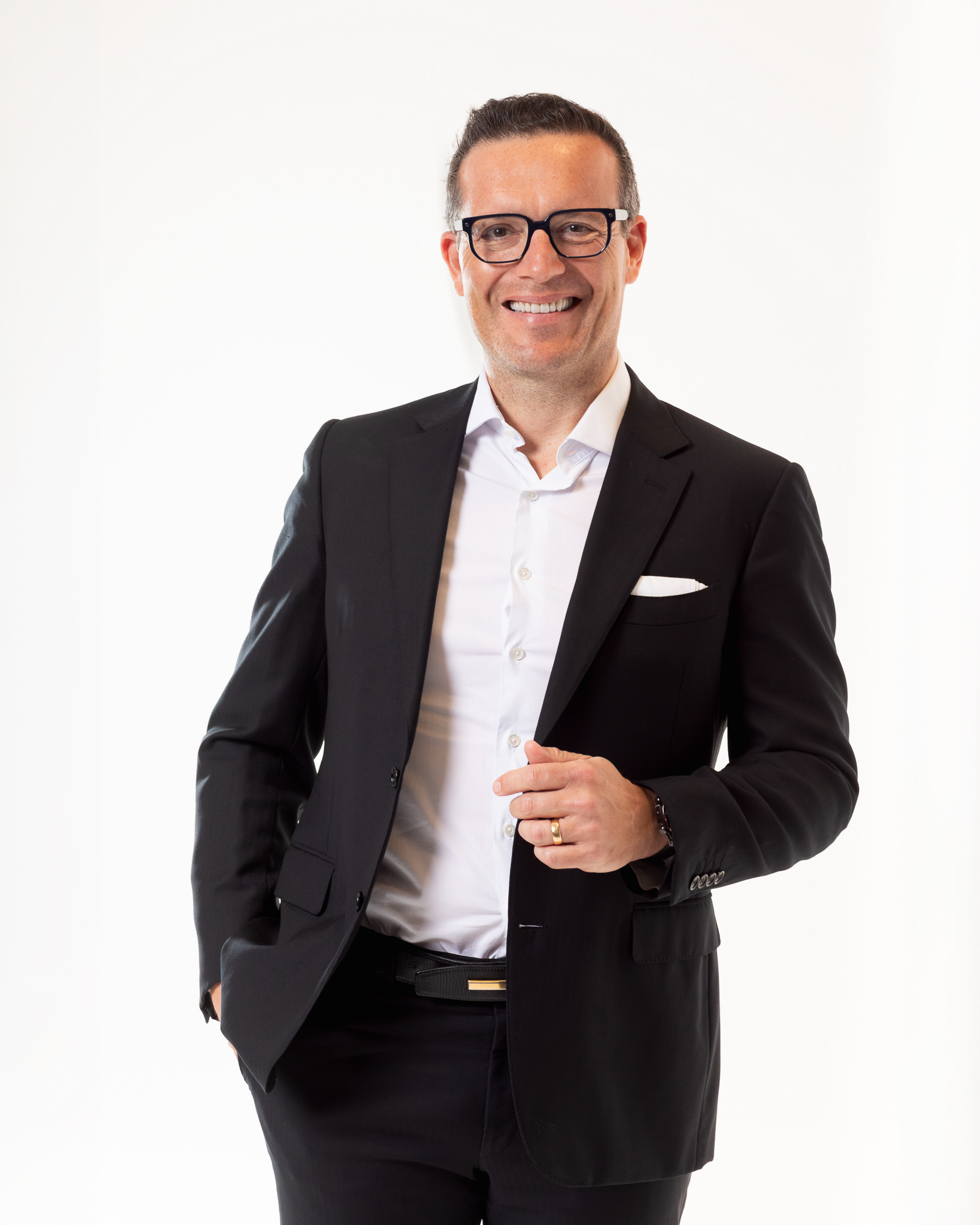
The raw image is not technically very successful, but the expression, pose, and mood are what make it effective.
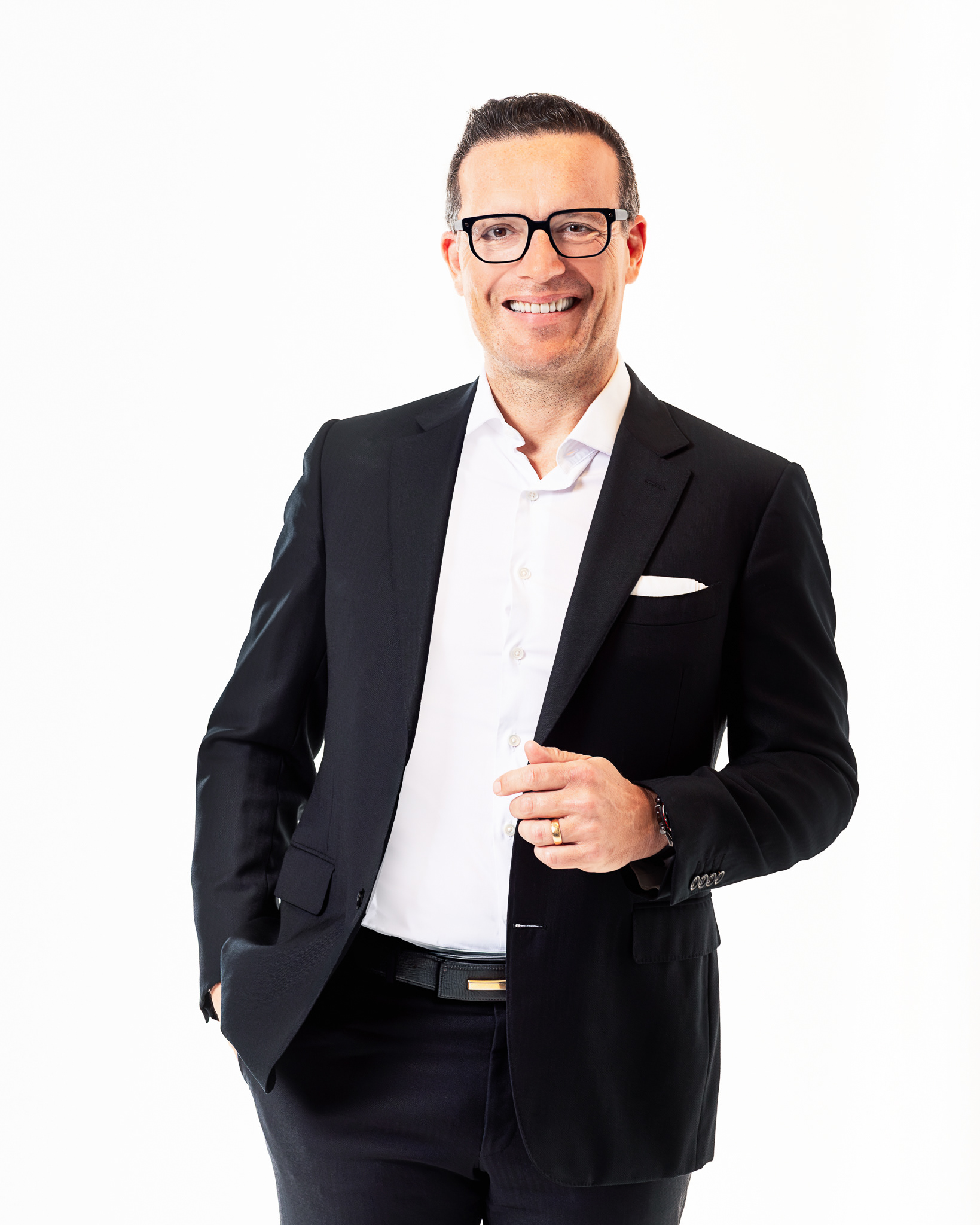
Numerous small changes combine to create the whole. The purpose of editing is not to alter the model's appearance but to give both the model and the image a cleaner, more polished look suitable for publication.
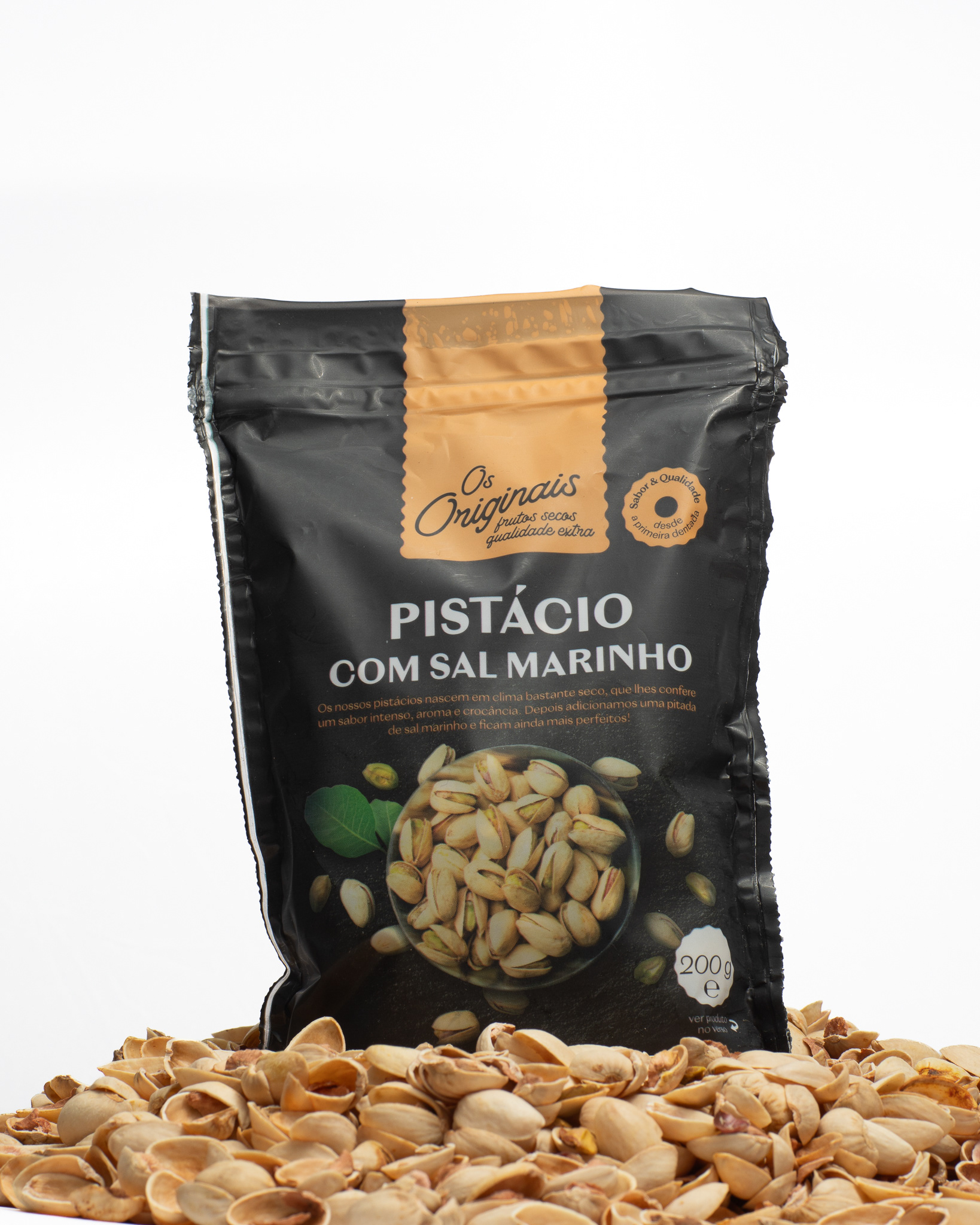
A simple product image from which numerous high-quality product images can be generated quickly and cost-effectively.
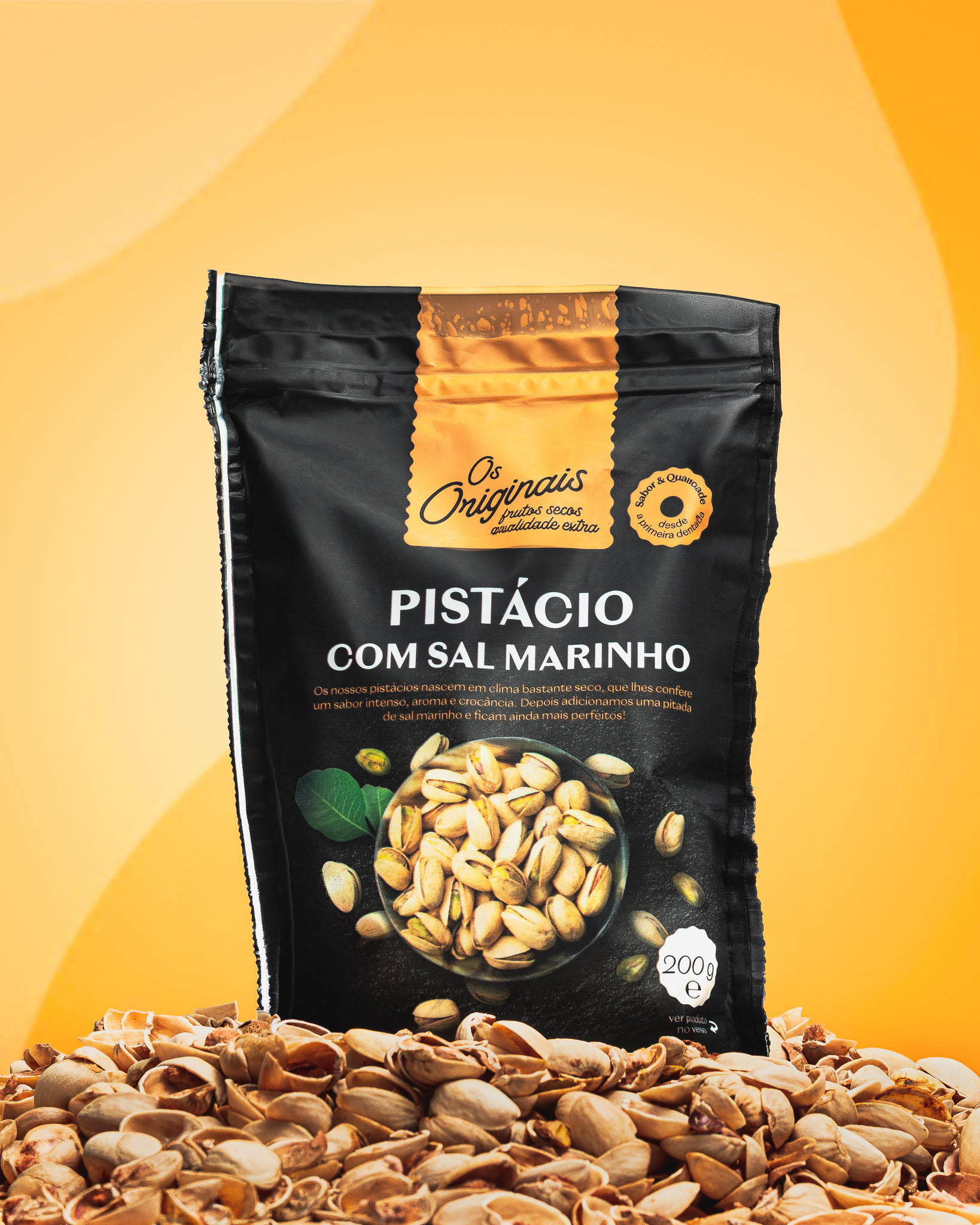
Clear changes, including alterations to the subject, which nevertheless enhance the product. The changes are significant but provide the image with the necessary polished appearance for publication.
Aug 26, 2026 A 57-year-old transformed into a 27-year-old by AI.
I asked an AI to summarise a multi-page photography contract. I received it within a minute, and it was fairly comprehensive. Unfortunately, it omitted the disclaimers, which could have been costly if something had gone wrong during the shoot. Problems were avoided, but only because I read the contract myself – and because the shoot proceeded smoothly.
I work as a photographer and write personal interviews, among other things, and I use AI daily in both. That contract reveals more about the entire situation than any general discussion of AI: the distinction is not between human and machine, but between different types of tasks and responsibilities.
Where AI Excels
AI excels in tasks involving patterns, language, and quantity. It can summarise, translate, sketch, perform routine analyses, and produce hundreds of headline versions per minute. It does not get bored, tired, or require breaks, and its quality does not decline in the afternoon as mine does—when I am probably standing by the coffee machine more than sitting at my desk.
Of particular value is removing the first version from the to-do list. A blank page is usually a more time-consuming obstacle than a poor draft. AI produces a poor draft in seconds, and a poor draft is easy to improve because it provides a starting point to work from. Therefore, it is unrealistic to expect a high-quality piece of work ready in seconds that can withstand close scrutiny.
The same advantage is even more apparent in photo editing. When you require a specific type of dresser for an image, you no longer need to spend hours browsing the internet to find a suitable reference: Adobe's Firefly generates it within seconds, provided the prompts are sufficiently detailed. The same applies to cleaning up the background, removing dust particles, and extending the edges of an image when the cropping proves too tight afterwards. These are tasks where I lose nothing by allowing a machine to do the work – they were previously purely mechanical processes.
Choosing to use AI in your work is akin to deciding whether to dig a ditch with a shovel or an excavator.
You can either complete the task slowly over time or efficiently, thereby freeing up time for other activities beyond the work itself.
Choosing to use
AI in your work is akin to deciding whether to dig a ditch with a shovel or an excavator.
Where it fails
It does not recognise what is important; it recognises only what is normal. That is why it overlooks the very exception that ought to have been noticed.
This is not a bug but a consequence of the structure. In text, the model always predicts the next word; in images, it infers the relationships between pixels and shapes based on the data it has learned. Although the final result resembles text or a photograph, internally the machine processes everything using numbers, matrices, and probabilities. The most common answer is the statistically most likely one – and in my work, the most interesting image or the subject of the article is rarely the most common.
The most common answer is statistically the best one, yet the most interesting image is seldom the most common.
Another issue is tone. Errors do not appear as uncertain guesses but as confidently formulated statements. A person unfamiliar with the topic cannot distinguish between a correct and an incorrect answer. In images, the same problem manifests as inattention: strange objects in even stranger places, a sixth finger, two different earrings, or lighting that does not correspond with the shadows. These details are not noticeable at a quick glance—the customer only notices them in the printed product, by which time it is unfortunately too late.
Once, an AI recorded the age of the CEO being interviewed as 27, despite the fact that the man turned 57 on the very same day. The error was subtly phrased and therefore almost imperceptible – only my prior knowledge of the person’s age, combined with a careful reading of the entire piece, prevented the story from containing a false fact.
The third type is tacit knowledge. This includes understanding the internal politics of the organisation, the level of customer frustration from previous calls, and other details that cannot be documented in a memo. In the context of image generation, tacit knowledge also involves recognising the biases inherent in the educational material. The image generator repeatedly produces certain types of bodies, clothing, and faces regardless of the prompt, because that is how it has been trained. It is unaware that it is doing this. The role of a professional photo editor is to identify these biases and adjust the output to be more realistic; otherwise, you may inadvertently publish an advertising image that reflects the training data more than the customer’s needs.
Ethical consideration and responsibility belong to the same category. Responsibility cannot be delegated to a system that cannot suffer any loss. A person is always ultimately responsible for what they publish—whether it is an interview or a portrait of the interviewee.
How Collaboration Really Works
In writing, the division of labour is straightforward: AI generates the main body of the raw text, searches for facts and source material, and suggests options I had not considered myself. I pose the questions, select the point of view, structure the story in an engaging manner, and approve the final result.
When I transcribed a 30-minute interview, the AI highlighted all the relevant points—except for one sentence: “the world offers opportunities that Finnish production companies don’t offer to a man my age,” around which the entire piece was ultimately built. Discovering that required me to be present myself and to hear how the interviewee’s voice changed at that very moment.
In photography, collaboration begins early. We brainstorm ideas together, find technical solutions, and plan the project’s implementation method and schedule. I produce the raw material with the camera and edit it into its final form, aided by simple tasks performed by AI. Finally, I experiment with several variations, for example in terms of toning, which the AI can quickly generate for me. When the final mood is achieved, I accept the result. The photograph is my brainchild, even though the AI assists along the way. It does not diminish the image’s quality or ownership, but it allows me to use far less valuable working time to achieve the final result. Sometimes the same assignment requires both images and a story – I am currently writing a piece about the growth of a Finnish politician, where the image and text are intertwined in a personal interview. High-quality photographs give the story a human touch that text alone cannot provide.
In practice, failure occurs in two ways. Excessive trust means that the AI’s output is accepted without verification, resulting in errors being discovered by the customer. Conversely, excessive distrust means that the tool exists but remains unused because it once produced an incorrect answer, generated unusual results, or is simply new and therefore intimidating.
It is also important to acknowledge friction. Checking takes time. If the text produced by the machine must be read as carefully as the text written by the user, or if the generated image needs to be examined at 100% magnification for errors, any time saved can be entirely negated. That is why I have learned to choose carefully where in the work I use the machine—and where I do not.
“It’s been done before” was a valid argument in my grandfather’s time because experience was passed on as a mechanical achievement. Now, the situation is different. My last major workflow rethink occurred in the early 2000s, when Minolta’s cine film camera was replaced by Canon’s digital SLR camera. It wasn’t just a new device; it was a new way of doing the whole job – and this is what it’s all about.
The most important new skill is not writing prompts; it is judgment—the ability to distinguish a good result from a poor one.
The most important new skill is not writing prompts; it is exercising judgment.
I am currently reading Terhi Aho and Katariina Kovanen-Piippo's book, *Artificial Intelligence as a Partner*, which presents the core idea that generative AI need not be merely a tool; it can also serve as a work partner.
I like the idea. I mostly work alone and spend hours each day at my desk, so the concept of having a co-worker is appealing. It also imposes a requirement: the machine is developing at a breakneck pace, so I must also evolve my working methods. Real benefits only arise when the old workflow changes, rather than when a single step is simply added to the existing process.
If you don't start learning AI now, the hole will only get deeper — the longer you wait, the more effort it will take to climb out later.
Five years from now
Today's AI is the worst I have ever used.
The most likely direction of development is gradual rather than dramatic. AI will evolve from being a separate tool to becoming an integral part of the work process—in other words, increasingly functioning as a co-worker. It will no longer answer one question at a time but will instead perform several steps in succession, with the person confirming the results. This shifts the focus of work: the value moves from execution to the evaluation and improvement of the outcome, that is, to expertise.
In a photographer’s work, change is most likely reflected in what the client purchases. The technical production of a single image continues to become cheaper, so that cannot be what I charge for. On the other hand, the gaze, the presence during the shoot, and the ability to make a person relax in front of the camera are not becoming any less valuable – they cannot be replicated. I believe that in five years I will be selling, more clearly than now, my judgement and control of the entire process, as well as a pleasant experience for the client, rather than just files.
One thing remains constant: when something goes wrong, someone must explain it – and that someone is always a person. Trust and responsibility cannot be automated, which is precisely why they will be the most valuable aspects of the job in five years.
When something goes wrong, someone must explain it – and that someone is always a person.
That contract was signed, by the way. I added disclaimers that the machine did not consider important. My work produced many excellent photos for the client, which they use in their marketing. AI provides more time – it does not provide more discretion.
I asked the AI for a synopsis of the filming contract. It omitted the disclaimers, which could have been costly. This prompted me to reflect on what AI excels at – and where it falls short.
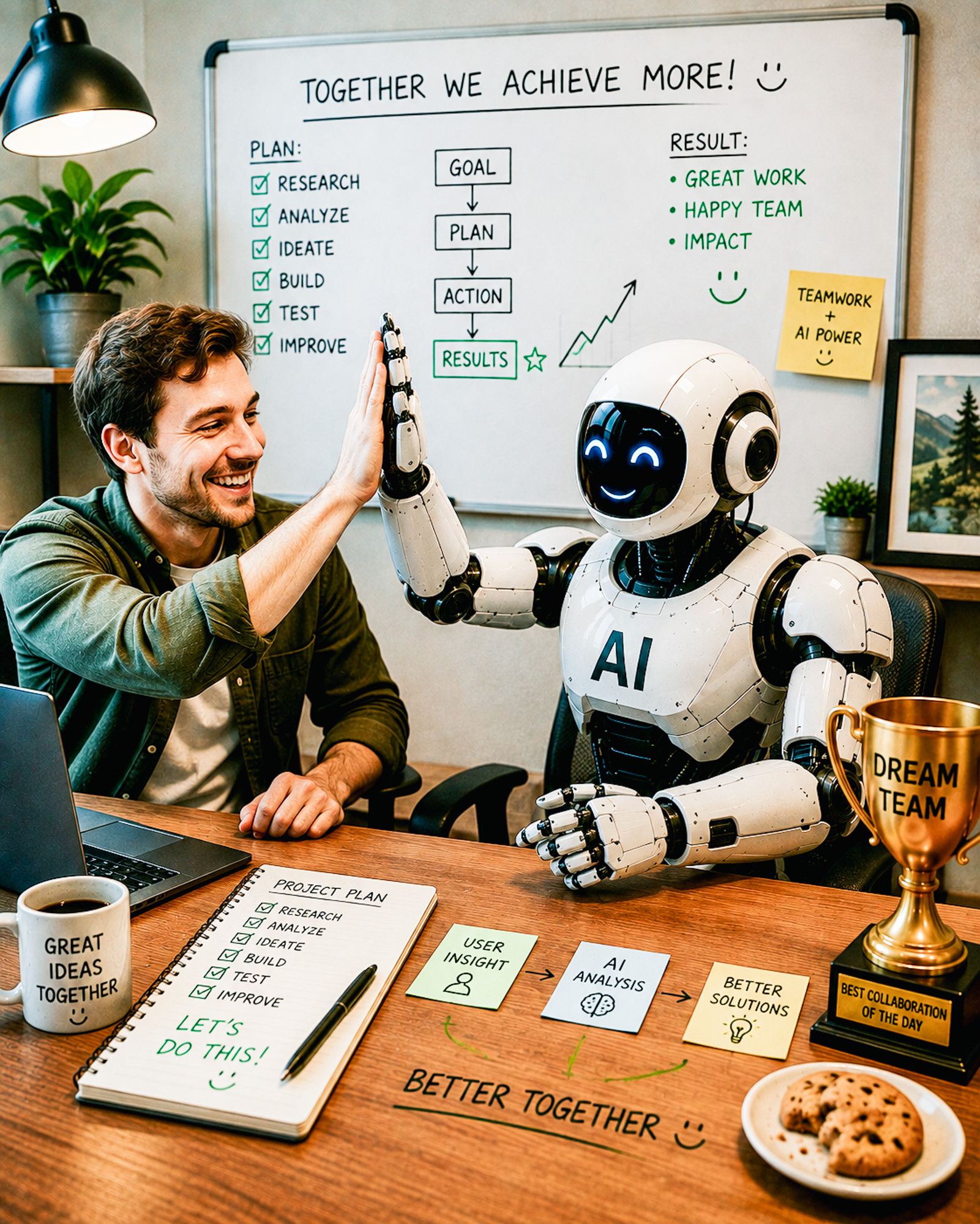
I asked an AI to visualise our collaboration. It saw us as a dream team. In reality, our collaboration is more mundane – but the end result is still better than either of us could achieve alone.

I asked an AI to imagine our lives in five years. It depicted a utopia of trust and cooperation. I hope it is at least partly accurate.
Aug 18, 2026 In Search of Inspiration
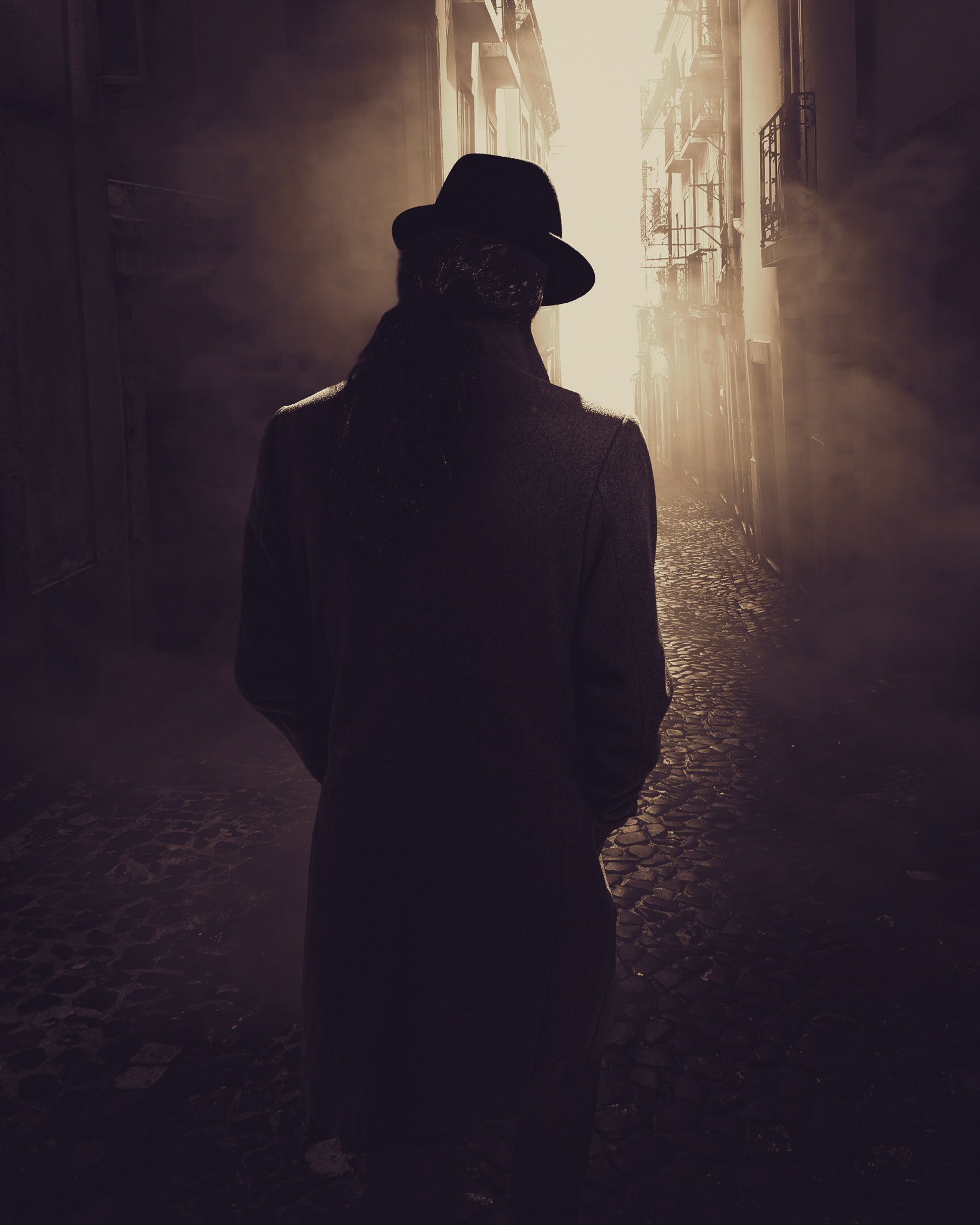
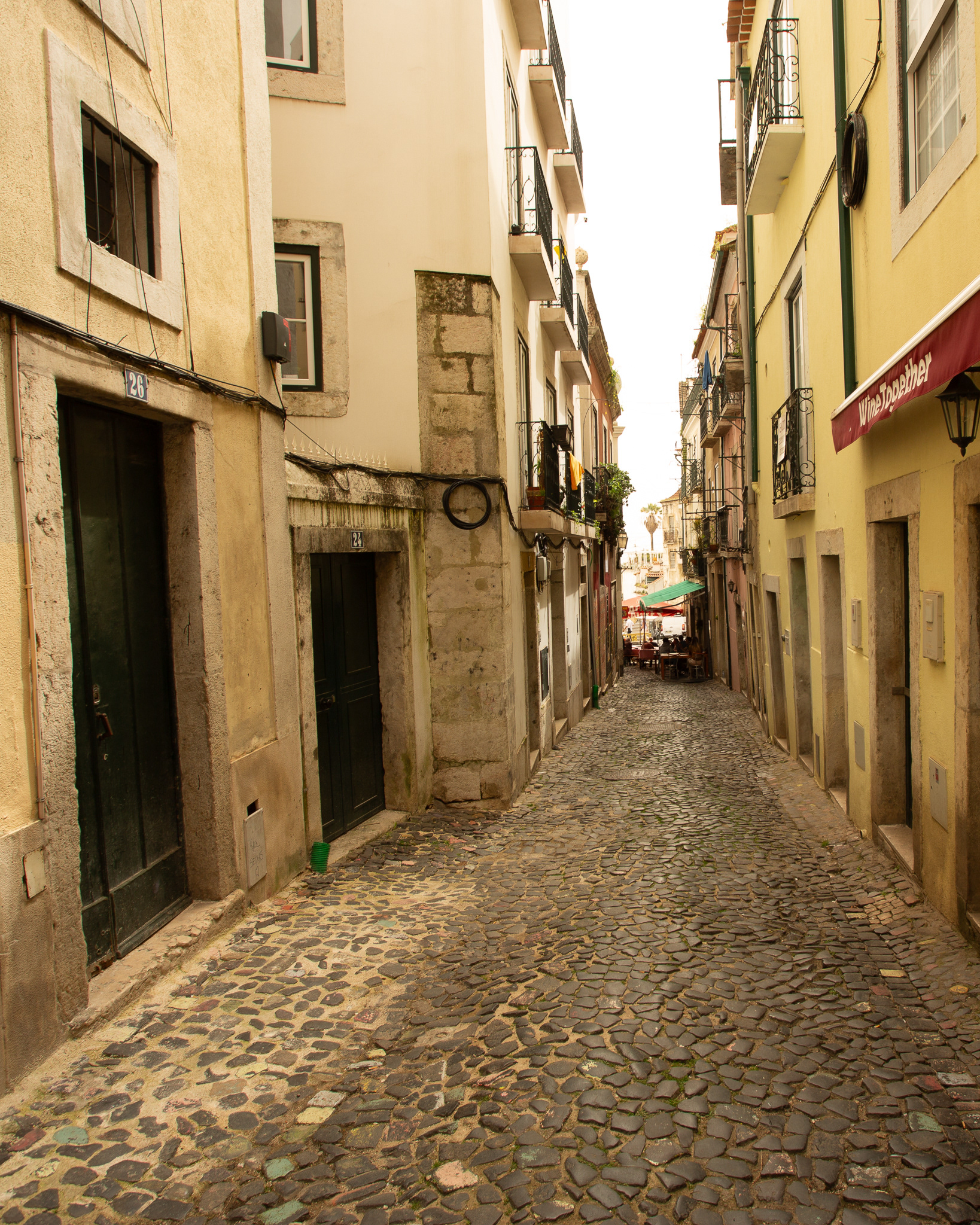
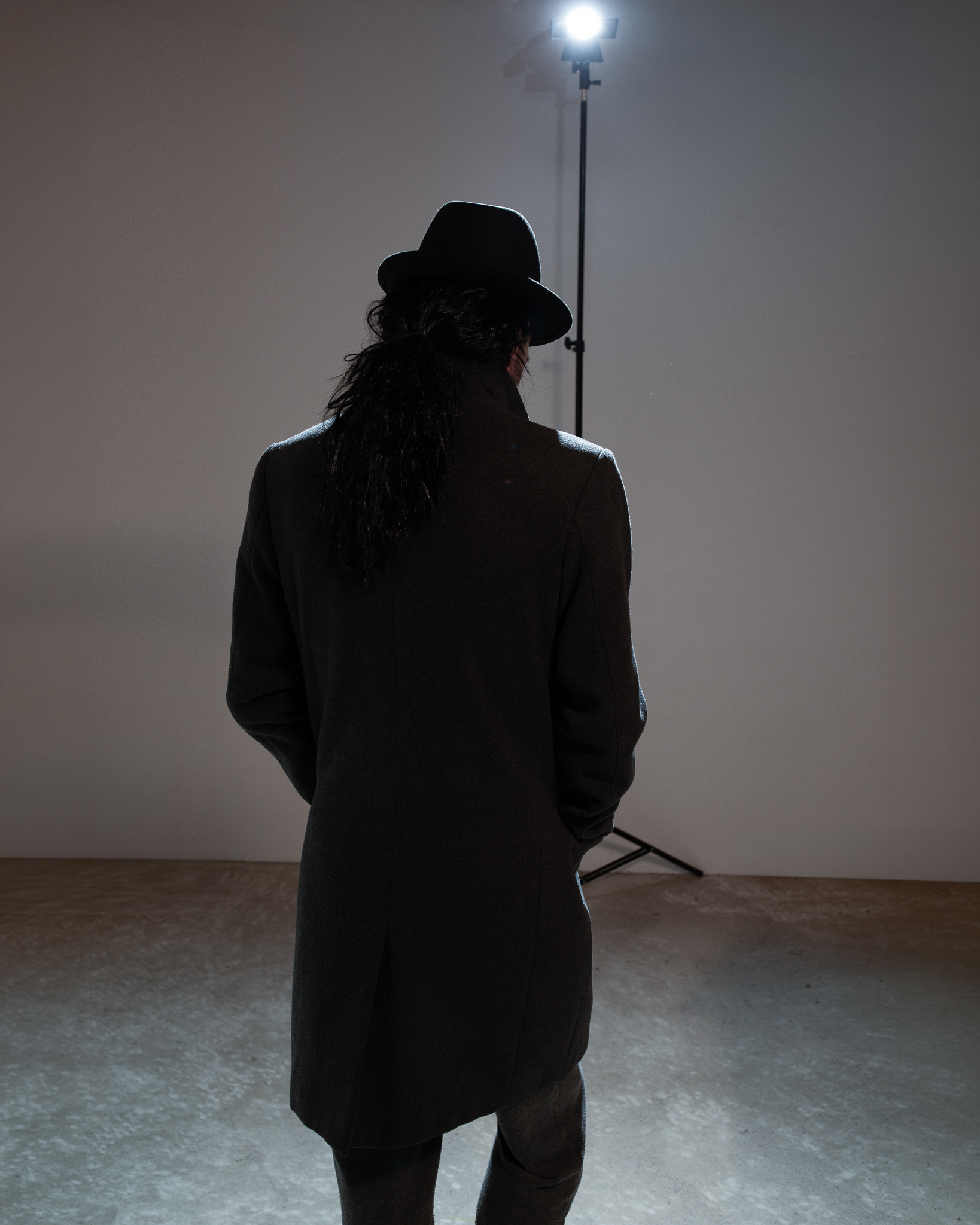
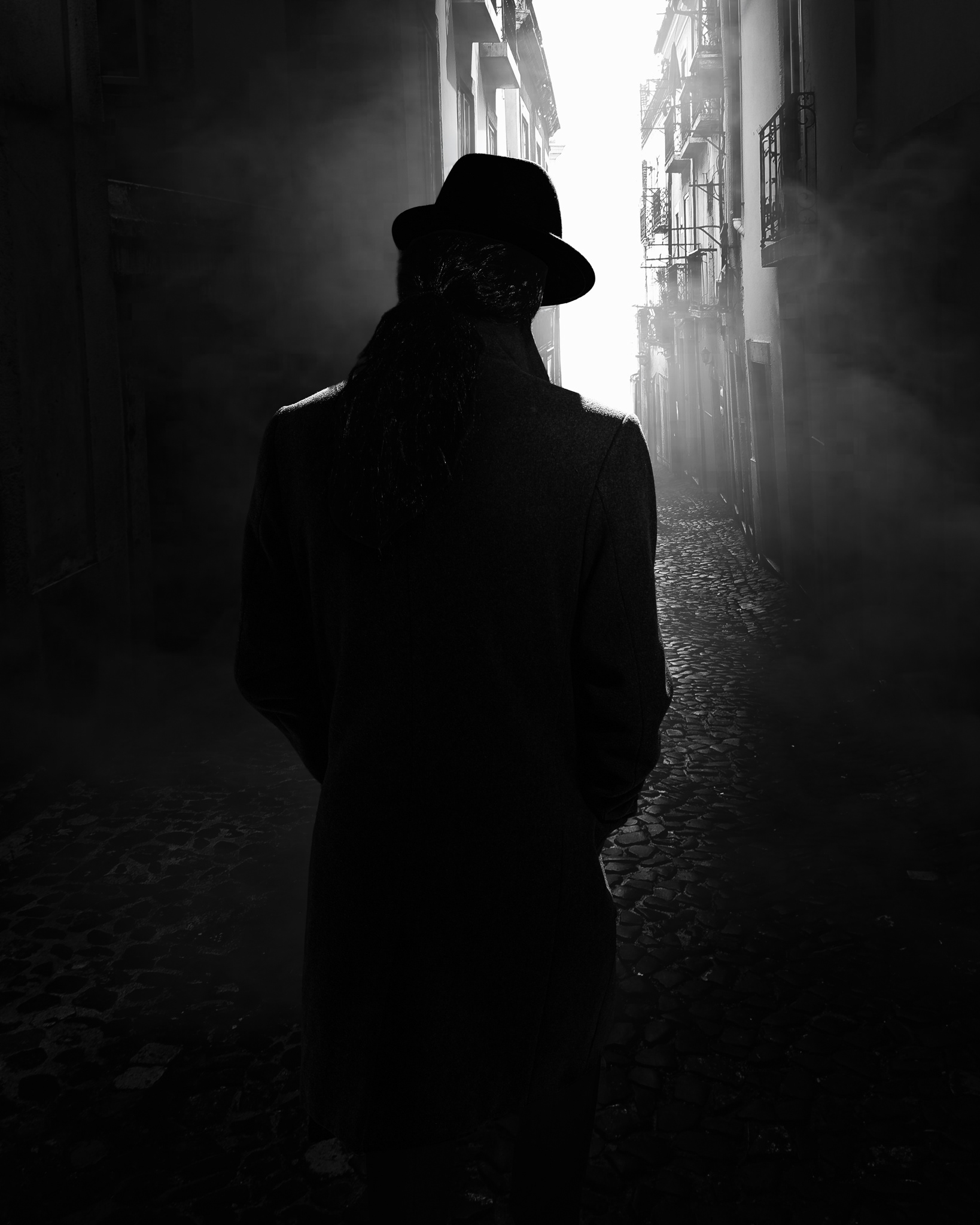
In Search of Inspiration
I do not yet have permission to publish my recent work projects, so I have created a fine art image instead. The subject is a photographer’s most important tool: inspiration – from the Latin “inspiratio”, which literally means ‘to breathe in’. The word itself is beautiful; it reminds us that inspiration is not something that must be forcibly unearthed, but something that can simply be breathed in, if only the mind pauses long enough. My own method of seeking inspiration is running: a quiet, clear state of mind that arises from the movement of the body.
Psychologists Todd M. Thrash and Andrew J. Elliot have studied the phenomenon in detail and described inspiration as a three-part experience: it requires receptivity, transcends everyday thinking, and generates a strong desire to act. According to their research, inspired individuals often experience greater well-being and creative self-confidence; thus, inspiration is not merely a momentary spark but rather fuels the entire mind. Photography demands consistent and positive thinking, and the best ideas do not arise from force but when the mind is allowed to be open and curious. Within us adults, there is also a little child who wishes to play and explore without prejudice. That inner child needs to be permitted to play and seek ideas, rather than being perpetually rational and controlled like an adult. Sometimes, truly unusual ideas can prove to be brilliant if we dare to free the inner child to be inspired.
But where does inspiration originate from?
First, curiosity is essential – an eye that notices the play of light on the street, and a mind that unconsciously records it for later use. Then, an incubation period is required, during which conscious thought falls silent and the subconscious finally speaks.
I am a kind of global citizen, a constantly moving individual. I have lived in several cities and different countries, each of which has left its mark on both my eyes and my thoughts. The future will take me to Belgium and France with the woman I love. Perhaps it is this mobility—the changing light, languages, and rhythms of new cities—together with a rewarding relationship, that are my greatest sources of inspiration today. Each new place and shared idea teaches me to view the world from a slightly different perspective.
For me, incubation means running. I don’t stroll around the city – it’s far too slow for my taste. Ten or twenty kilometres is an appropriate distance, during which the rhythm of my steps, my breathing, and the changing scenery begin to feel almost meditative. Sometimes the run extends even longer if my mind is not yet ready to let go.
The Combined Meanings of Photography
This photograph was born from two moments and places, each holding its own significance for me. I captured the alley in Lisbon – a city where the light falls on narrow streets in such a way that even an ordinary wall becomes picturesque, and where I have spent many wonderful months over the years. I photographed the figure, or myself, on a Sunday morning in Finland, where I currently reside. Combining the two felt natural: travel and stillness, a foreign city and my homeland, coming together in the same image – just as, in my life, different countries and cultures have gradually woven into a single story.
My Method of Searching
When I run without focusing on anything in particular, something happens that I truly enjoy: my mind clears of noise, and my thoughts begin to organise themselves, as if in a background process. It is like a computer – when there are not ten tasks running simultaneously in the background, the remaining resources suffice for the one truly important task. For me, running is a way to cut through the noise and access that quiet, clear space where the best insights are born.
Public seekers of inspiration
In Finnish art history, bohemian life and the quest for inspiration have often gone hand in hand – underpinned by the belief that by breaking boundaries, one can discover something authentic. Eino Leino, Pentti Saarikoski and Matti Pellonpää were each known in their own way for their unconventional lifestyles, characterised by red wine and freedom – a means of seeking inspiration in their era. Women such as Elin Danielson-Gambogi, Ellen Thesleff and Elga Sesemann have also contributed to this tradition.
Finally.
I also enjoy a good red wine – but for me, it is not a means of finding inspiration, as it was for many of my predecessors, but rather a moment of celebration and presence. Red wine suits me best when accompanied by a good book or a long conversation with my loved one, as the evening becomes subtly warm and relaxed, fostering a shared dialogue that sparks ideas and thoughts. I am already looking forward to the moments when such evenings continue in our new home in Belgium and at our leisure retreat in the south of France.
Inspiration is a peculiar guest. Sometimes it demands attention so loudly that it cannot be ignored, while at other times it hides so cleverly that it seems nowhere to be found. Yet it is always close—you just have to return to it repeatedly, start the conversation afresh, and give your mind permission to breathe. When the realisation finally comes, the moment is golden: a heart-warming, almost celebratory feeling that this was exactly what you were looking for. Whether it is a single image or an entire life, realising and discovering are always rewarding and liberating experiences that bring the search to an end.
Aug 4, 2026 I have an idea that will help save small businesses.
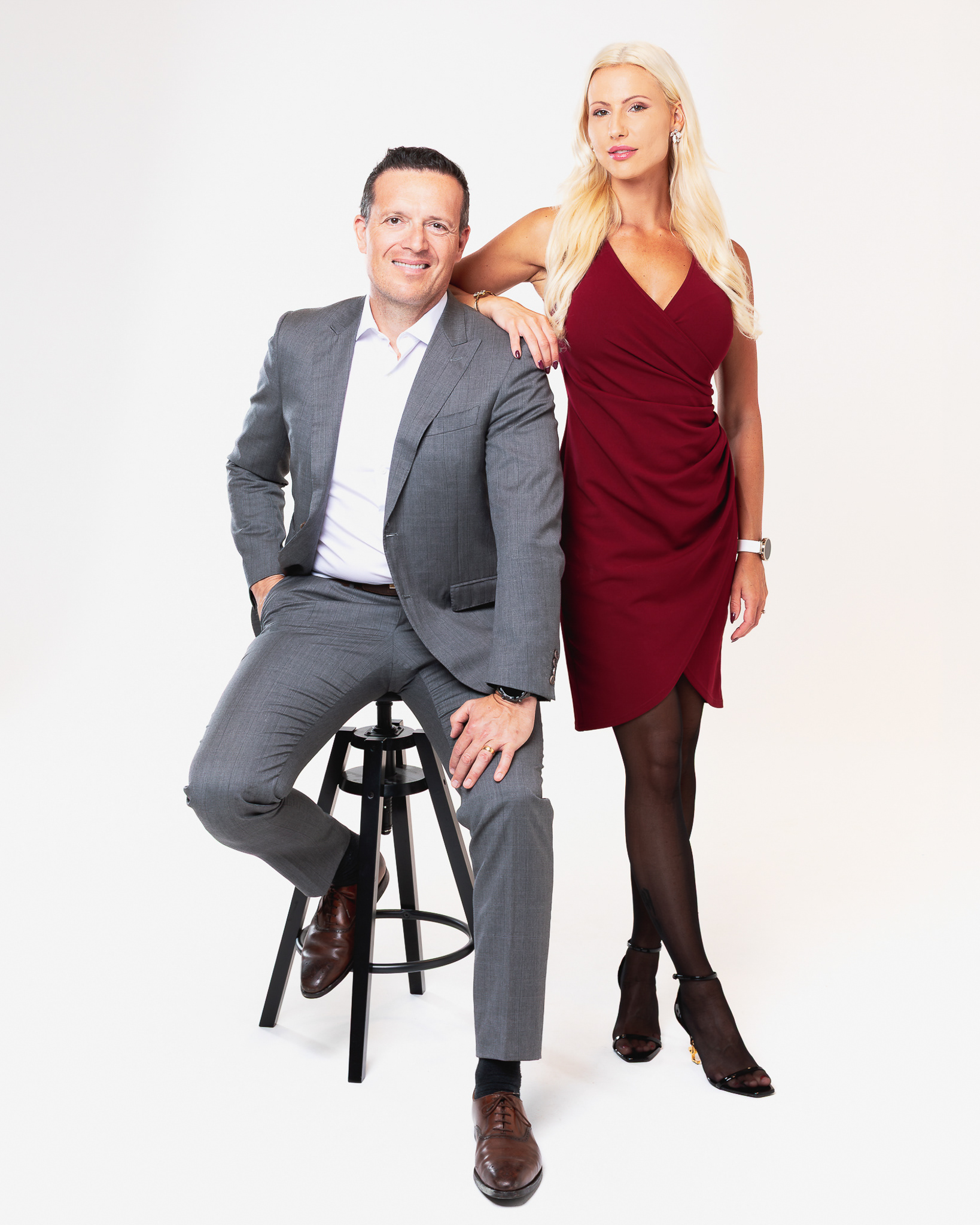
Many companies are struggling to survive today. Those in the retail sector, in particular, find themselves in a difficult position: capital is tied up in products that are not currently selling, as households save money during uncertain times and cut back on non-essential expenses. Online stores also challenge traditional retailers with their lower cost structures.Small boutiques that sell other companies' products are in the weakest position; their margins are often minimal, and profitability depends on sales volume—which is currently hard to achieve in the B2C sector.
The strengths and weaknesses of small companies are closely linked to one factor: size. They are small enough to respond swiftly to changing circumstances, yet too small to endure prolonged financial stress as larger companies can. According to official Eurostat statistics, micro-enterprises (with fewer than 10 employees) constitute 99.1% of the entire EU business population – this is not a marginal phenomenon, but a situation that affects the majority of companies.
I believe that partnerships can provide a lifeline for many. Felicia Sundberg and her husband are a good example: they work in completely different sectors and companies, yet they are an effective couple. They support, encourage, and challenge each other to improve their performance. They share ideas freely, allowing concepts to take flight through joint innovative discussions.
“Collaboration” is a buzzword on social media, but it rarely translates into practical action. Now is the time to move from words to deeds: start seeking partners with whom a partnership could, in the best-case scenario, save two or more companies.
Why is it so difficult to ask? It costs nothing, and the worst possible outcome is a negative answer – so you simply move on to the next potential partner.
I can begin with an offer: if a small business requires high-quality marketing photographs of its staff or premises, I am happy to photograph them in a collaborative spirit. Please comment on the type of collaboration you have in mind – let's see if our interests align for a productive and creative partnership in the real world.
July 28, 2026 Slowly hurrying along
I'm on my way again — this time towards Toulouse, the Pink City in the south of France, whose brick buildings glow in the sunlight as if the city itself were breathing heat. Movement has always come naturally to me because I experience joy when the landscape changes outside the window. It's good to be on the road when you feel truly alive.
Travelling offers the opportunity to experience new stories, and it is rewarding for me because I love history. Europe is a treasure trove of history, an ancient continent where modern humans arrived from Africa around 40,000 to 54,000years ago. When I walk the streets of foreign cities, I do not just see buildings and roads, but layers of time and life.
Certainly, crowded airports and tight schedules can sometimes cause a little stress. However, when I recall the old adage — festina lente, or 'make haste slowly' — the pressure of rushing fades away, replaced by the ability to enjoy the journey itself: the changing landscapes, the people passing by, and the sense of life that comes from being part of an active world. Sometimes, I simply sit at the airport, watching the hurried passengers and wondering what stories they might have to share if only they paused for a moment.
Stories have always fascinated me—like history, and most of all, the people behind them. Each of us has our own unique life and the story it has shaped. I believe that each of these stories would be worth a book, if only someone decided to write them between the covers.
Reflecting on my own life story is therapeutic for me. Every now and then, I ask myself: is this truly the story I want to leave behind when I eventually pass from this world to the kingdom of God? This thought serves as an inclusive filter, eliminating all that is unnecessary from my life, because I believe that positive content creates a happy life.
I have had the privilege of working with people from around the world, which has greatly enriched my worldview.Wealth arises from diversity, from the broad spectrum of differences. Culturally rich Europe inspires me with its diversity, making every trip a small adventure.
This time, however, the trip involves something far greater and more beautiful than new streets or old stories filled with adventures. After many long weeks, I finally get to meet my beloved. Each of those weeks, brimming with anticipation,has brought me closer to this wonderful moment when I can embrace her once more. That is why this journey to Toulouse is no longer merely a small adventure amid history — it is a voyage towards love and the joy of life, whichpaints vivid colours across the sky of my travels.
July 21, 2026 Cooperation with Pohjois-Karjalan Osuukauppa (PKO)
This summer, I began an interesting and extensive photography project with Pohjois-Karjalan Osuuskauppa, one of the region’s most significant employers and economic operators, boasting a turnover of over 525 million euros.
PKO, or Pohjois-Karjalan Osuuskauppa, is a customer-owned company operating in retail, accommodation, catering, and service sectors. In 2025, the PKO Group achieved annual sales of 640.4 million euros and provided employment for 1,689people in the North Karelia region. Last year, the company paid its owners 30.7 million euros in Owner Benefits and made new investments totalling 14 million euros.
The values and goals of Pohjois-Karjalan Osuuskauppa are to offer its customer-owners affordable, high-quality services and to promote the vitality of the region. In short, PKO aims to contribute to making the region a good place for people to live.
The project has been carefully prepared, with numerous ideas and discussions exchanged with the company’s marketing team. A public model search was organised, resulting in a pleasing number of enthusiastic new faces for advertising.People were interested because the company has an excellent reputation in the area, making the search for a model relatively straightforward, although it required considerable effort due to the unexpectedly high number of applications.
Since the project involves many different parties, coordinating communication and preparing the schedules requires considerable thought. As I will be in Finland, France, and Belgium during the project, I must be very careful with the scheduling to ensure I am in the right country at the right time.
I am truly excited to be part of such a wonderful project, creating positive communication for an area that has been important to me since childhood. This is where we spent all our delightful summer holidays, and I have many fond memories of those times.
North Karelia is a welcoming region, boasting stunning mountain landscapes, magnificent waterways, and excellent services, where everyone feels comfortable and at home.
July 14, 2026 My job, my choice – enjoying the summer weather.
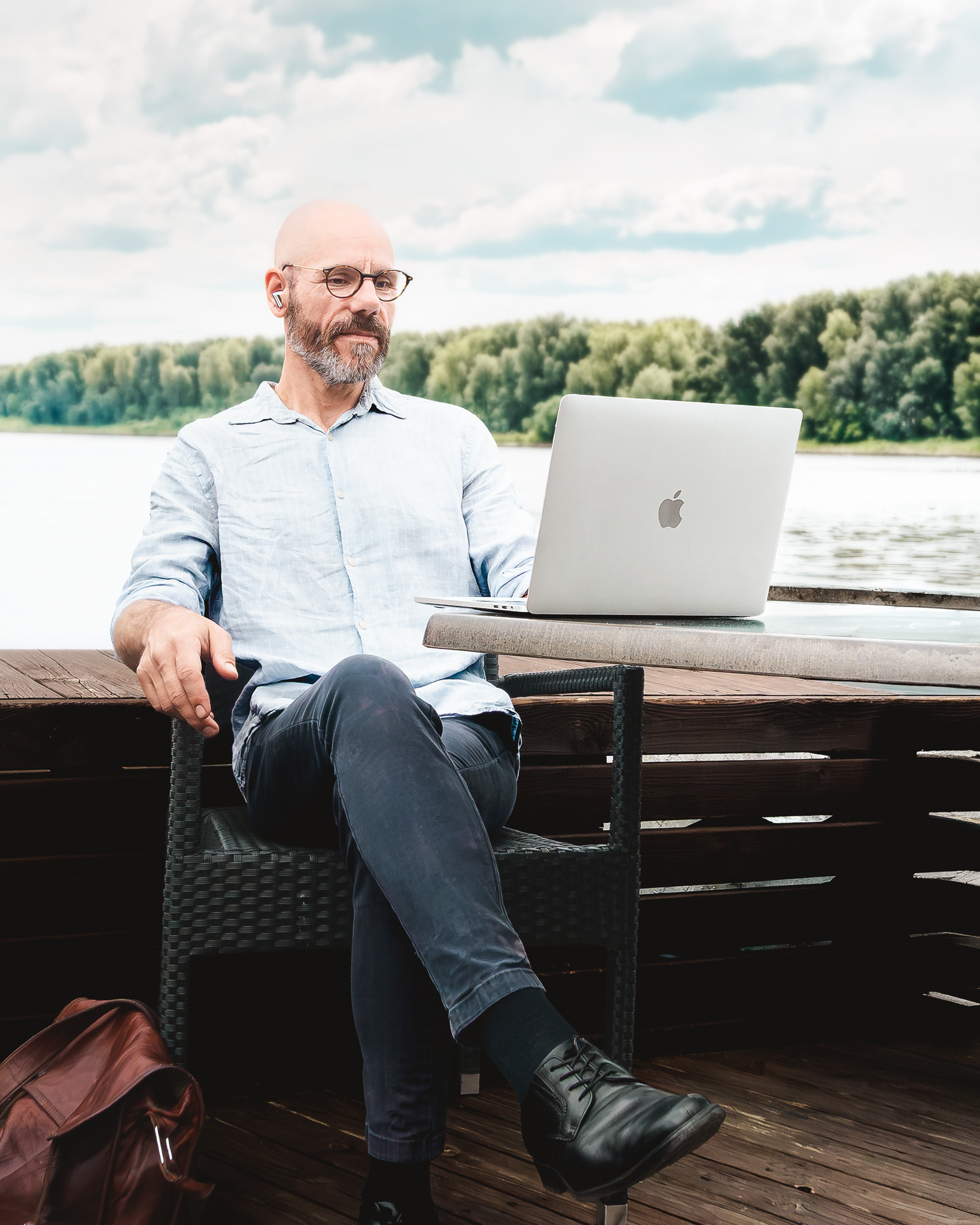
I am a very work-oriented person, I always have been. I enjoy it when I get to work, because then I feel useful to myself and to society. I work six days a week, and I take Sunday off. Sometimes it doesn't work out, but usually yes, often enough anyway.
It is clear to me that when I have an office day, I sit at my desk and make sure that the day is long enough by clocking in the working time, which I actually sit at the computer. That also means that a sufficient number of tasks must be completed, because otherwise I easily get a bad conscience. The Finnish summer is short, really short. In many years, it is only warm for a few weeks, or even less. I came to Finland in May, and most of the time I have been freezing, because of course I am used to the warmer climate in Lisbon.
The sun was shining on Saturday, and it was really warm for Finnish weather. My to-do list mainly included customer contact and answering several emails. I woke up with the idea of why not do my tasks outside on a beautiful summer day, because it doesn't matter where I answer my emails. So I decided to loosen the strict rules about sitting at a desk a little, and worked outside, enjoying the warm sunshine.
I realized that even though I was working, the day still felt almost like free time. Since an entrepreneur has the freedom to choose where they want to work, taking into account the demands of the job of course, I should take advantage of that opportunity more often, to support my own resilience.
The only resource of a micro-enterprise is the one person who works in the company. If that person gets tired, in the worst case, the entire company's operations will cease, and at the same time the entrepreneur's livelihood will also cease. This happened to me over ten years ago. Having learned from that experience, today I strive to find a pleasant balance between work and free time, which feels good to me. Because when that relationship is right, you enjoy both of your time more, and at the same time you feel better mentally.
In these economically challenging times, many entrepreneurs struggle with coping. Let's try to stretch ourselves and do a little more for the company. However, it's good to remember to be kind to ourselves, our own mind and body.
It's important to take care of our own well-being, because that's where all the good things come from, both for the company and the entrepreneur. Let's all enjoy our work and at the same time the summer in between tasks, taking care of ourselves.
July 7, 2026 POOK-Watches brand
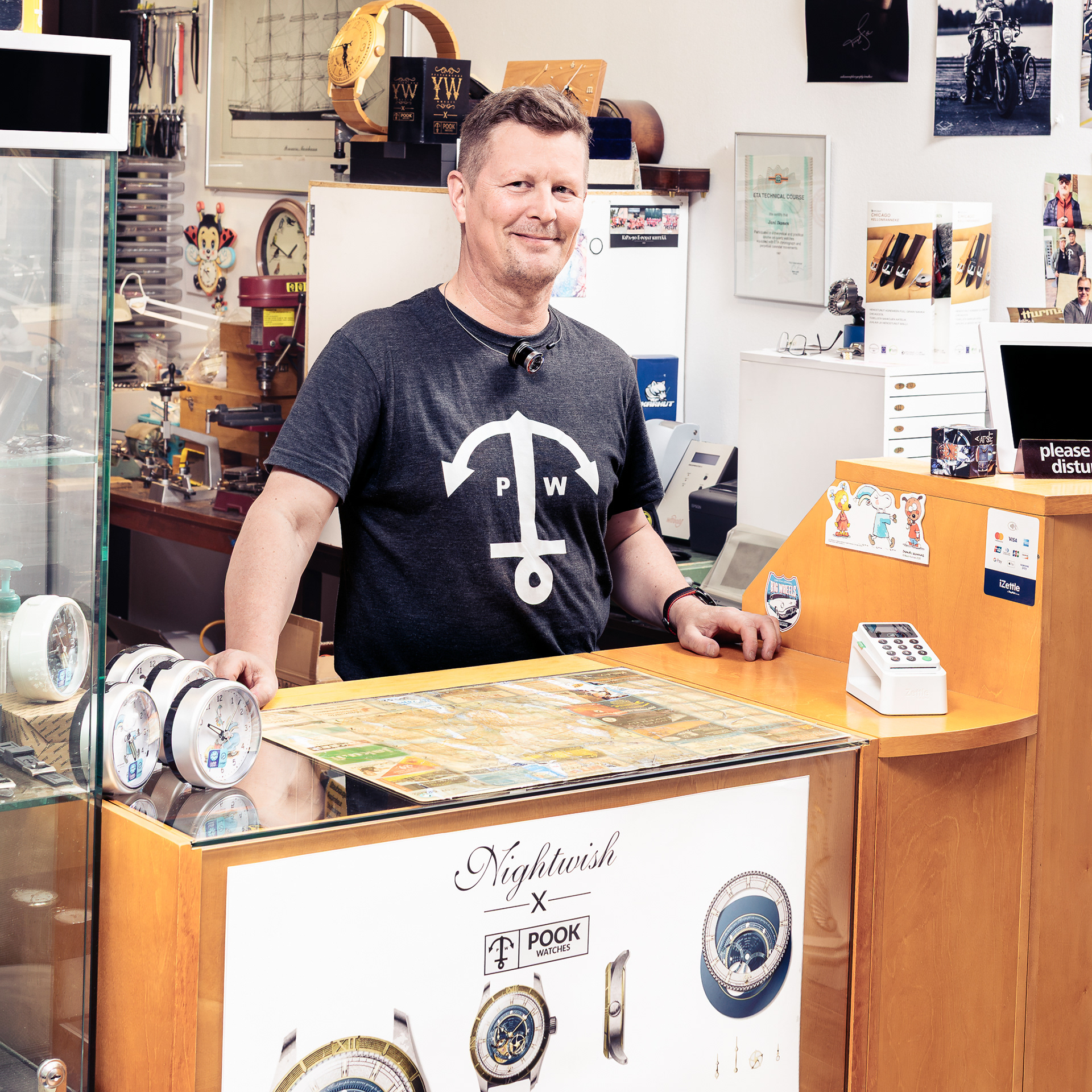
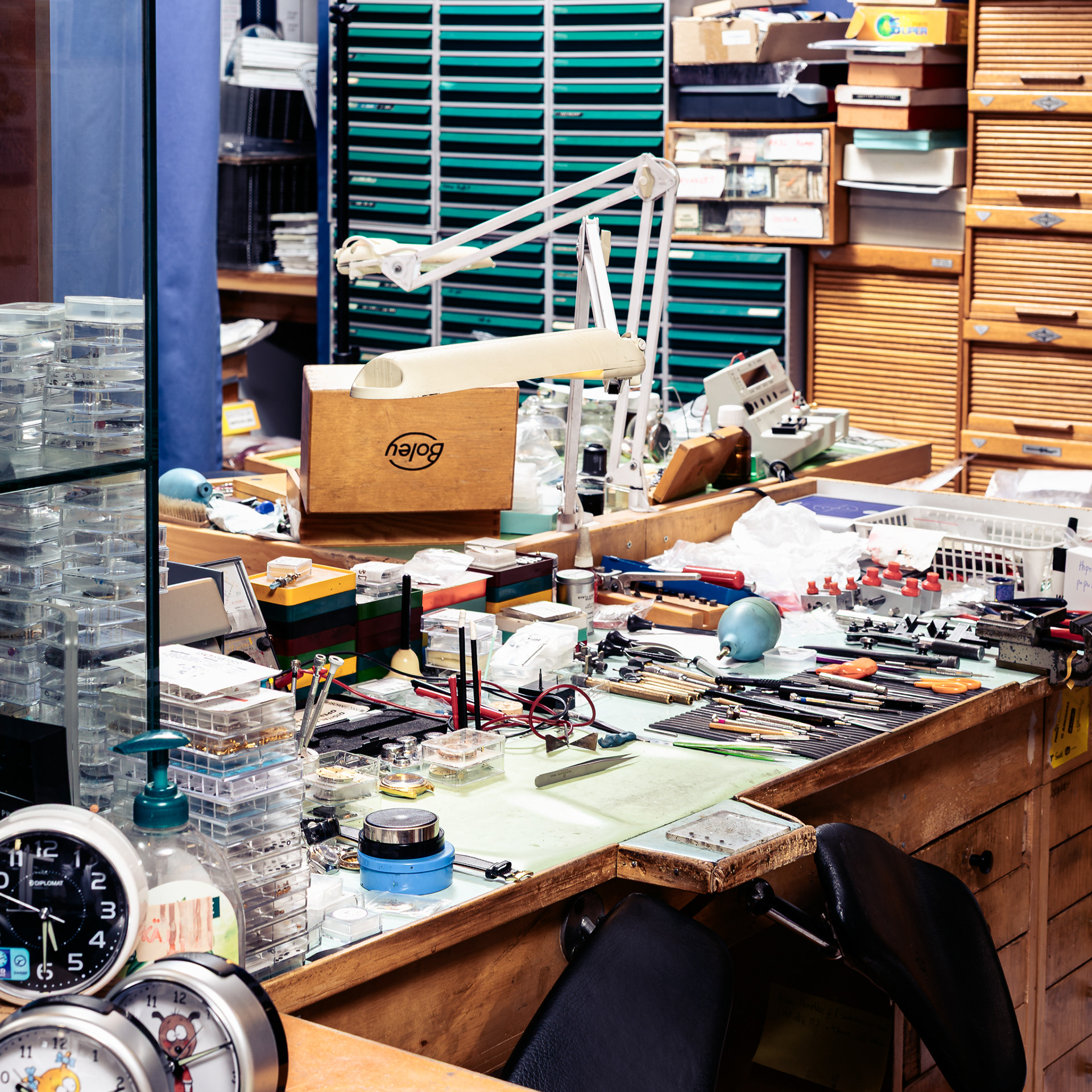
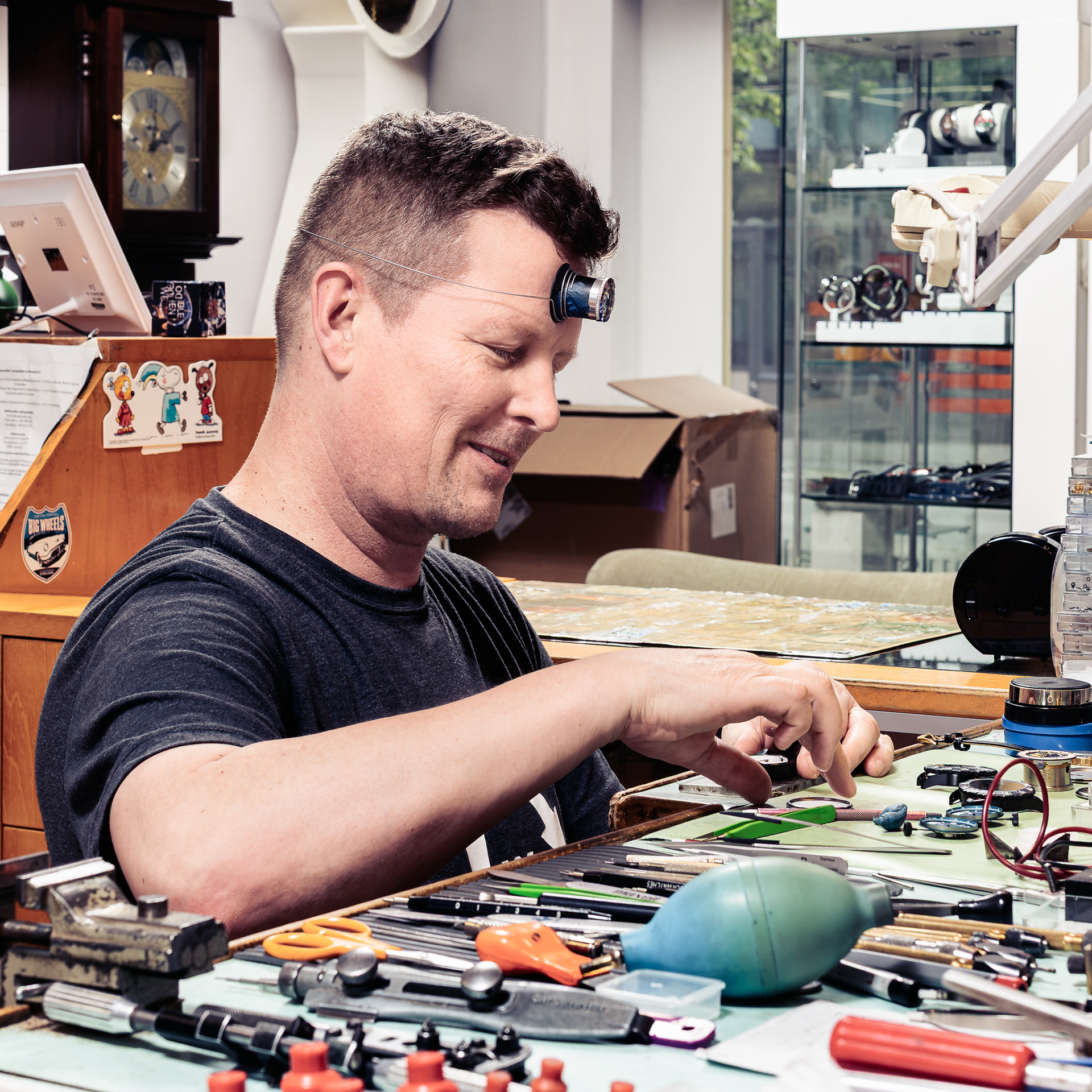
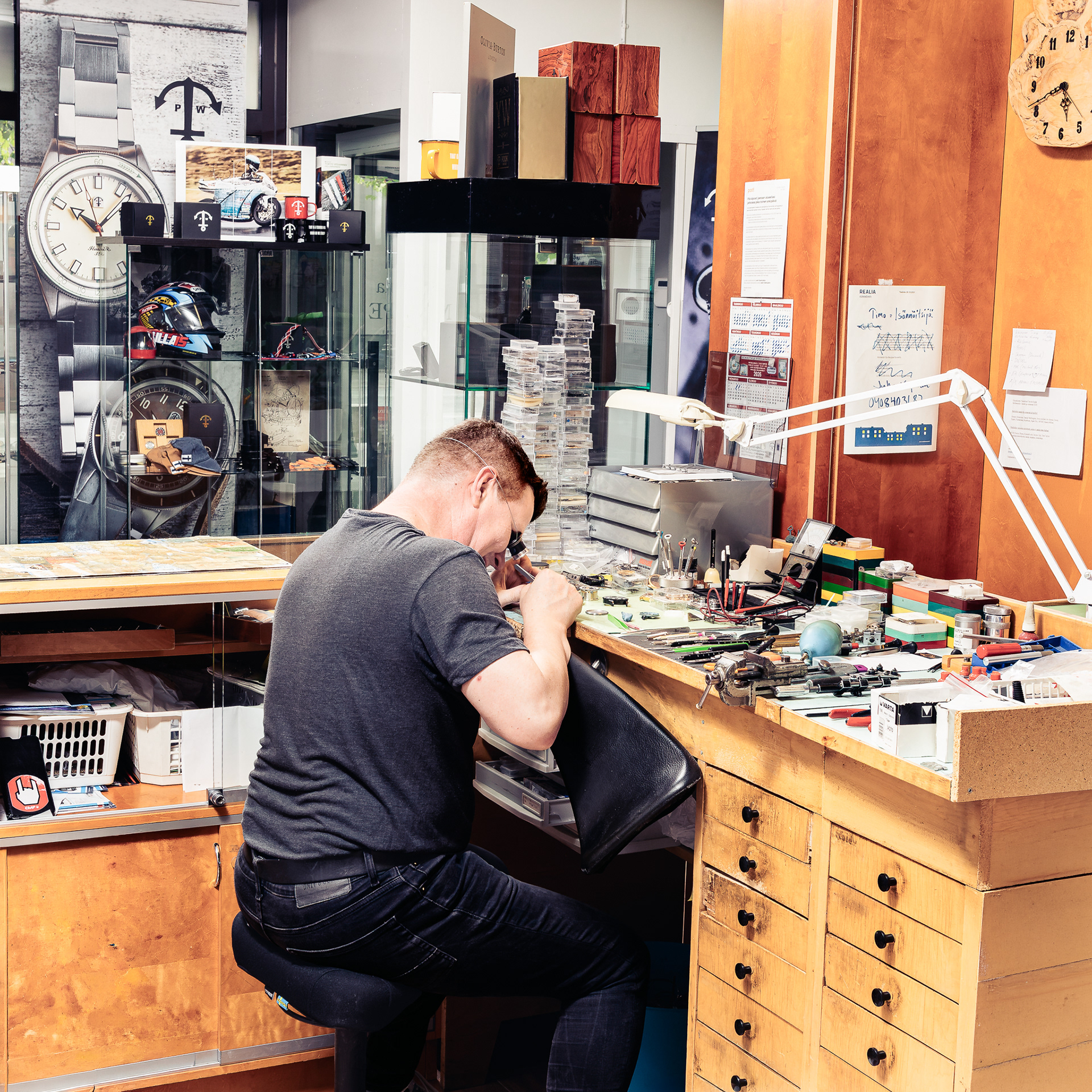
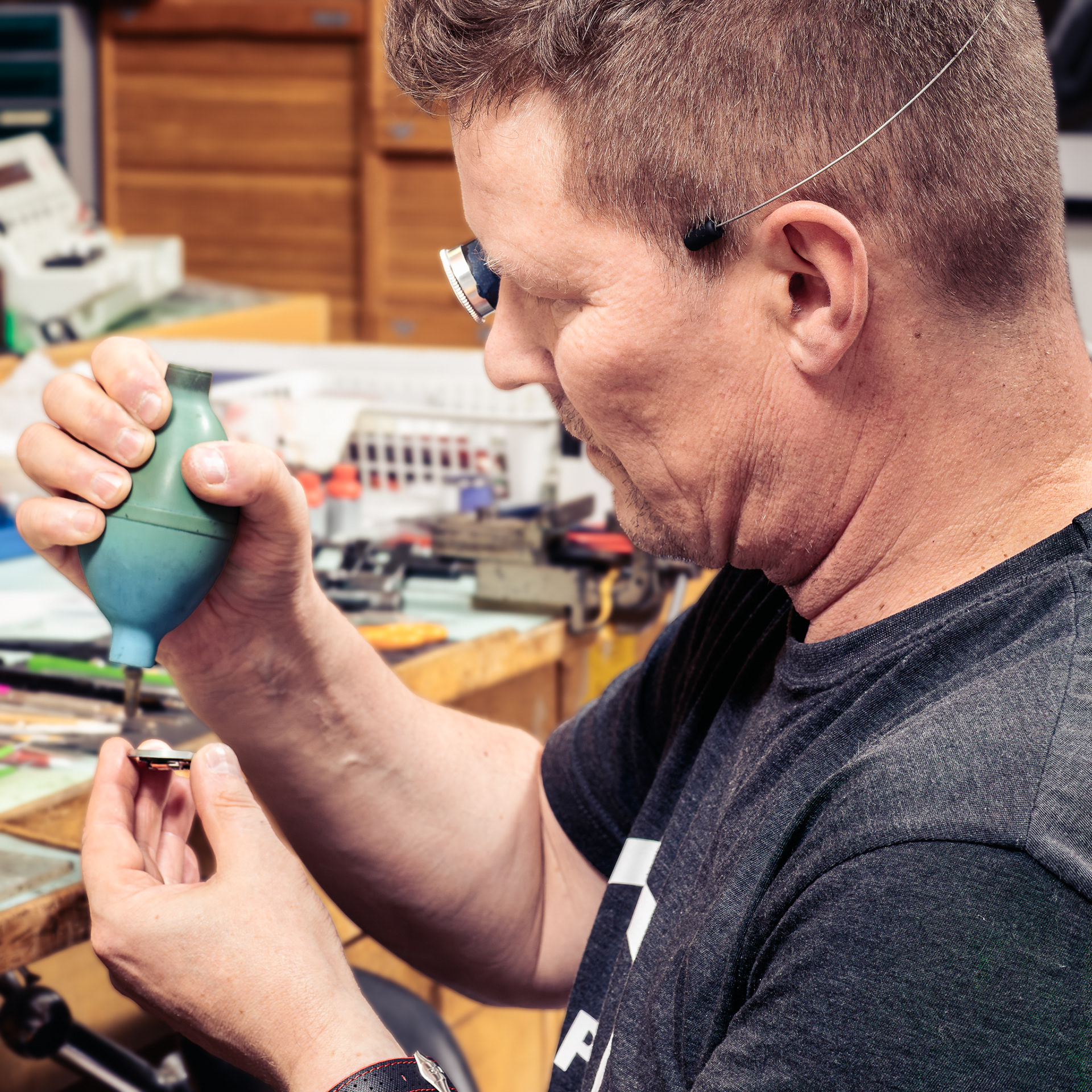
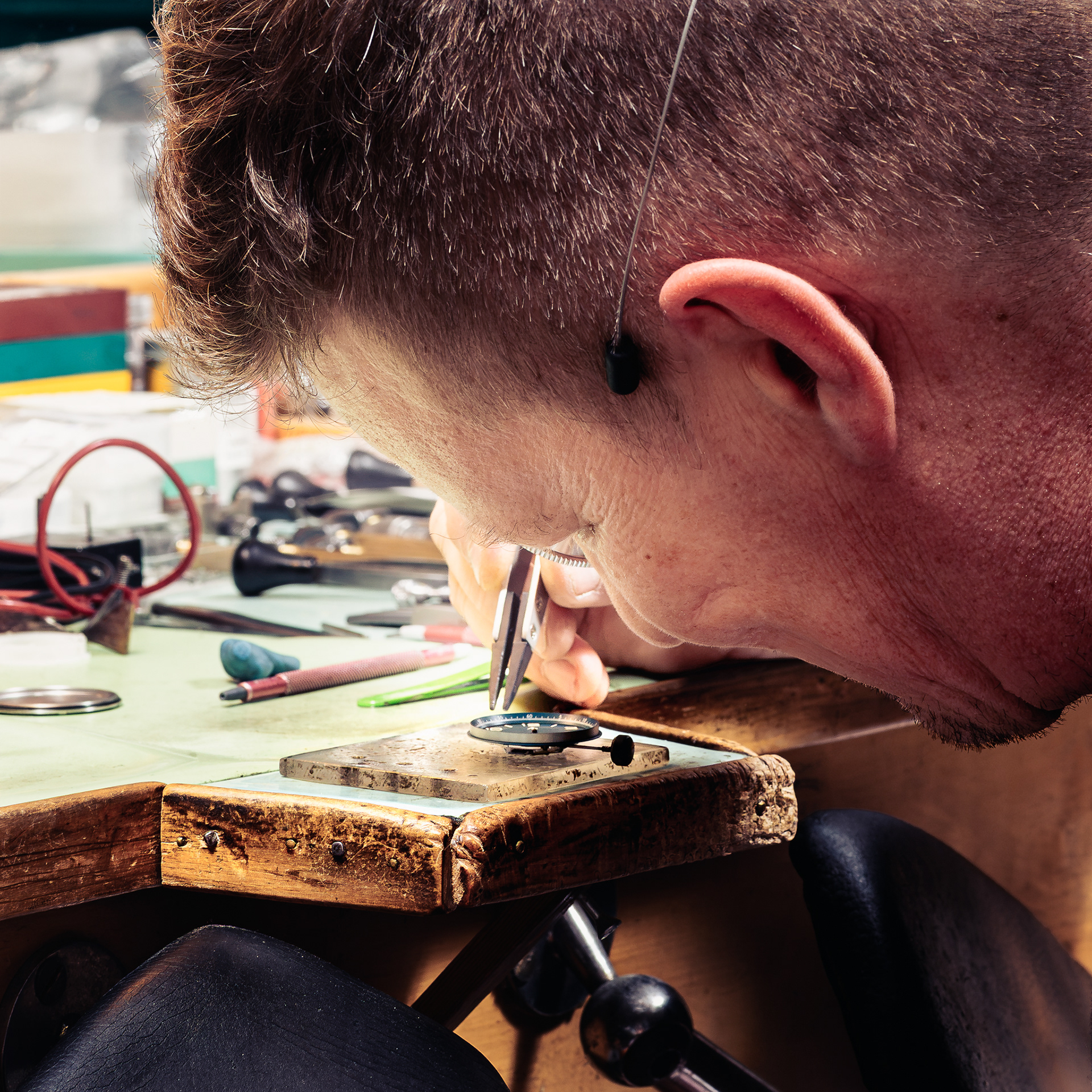
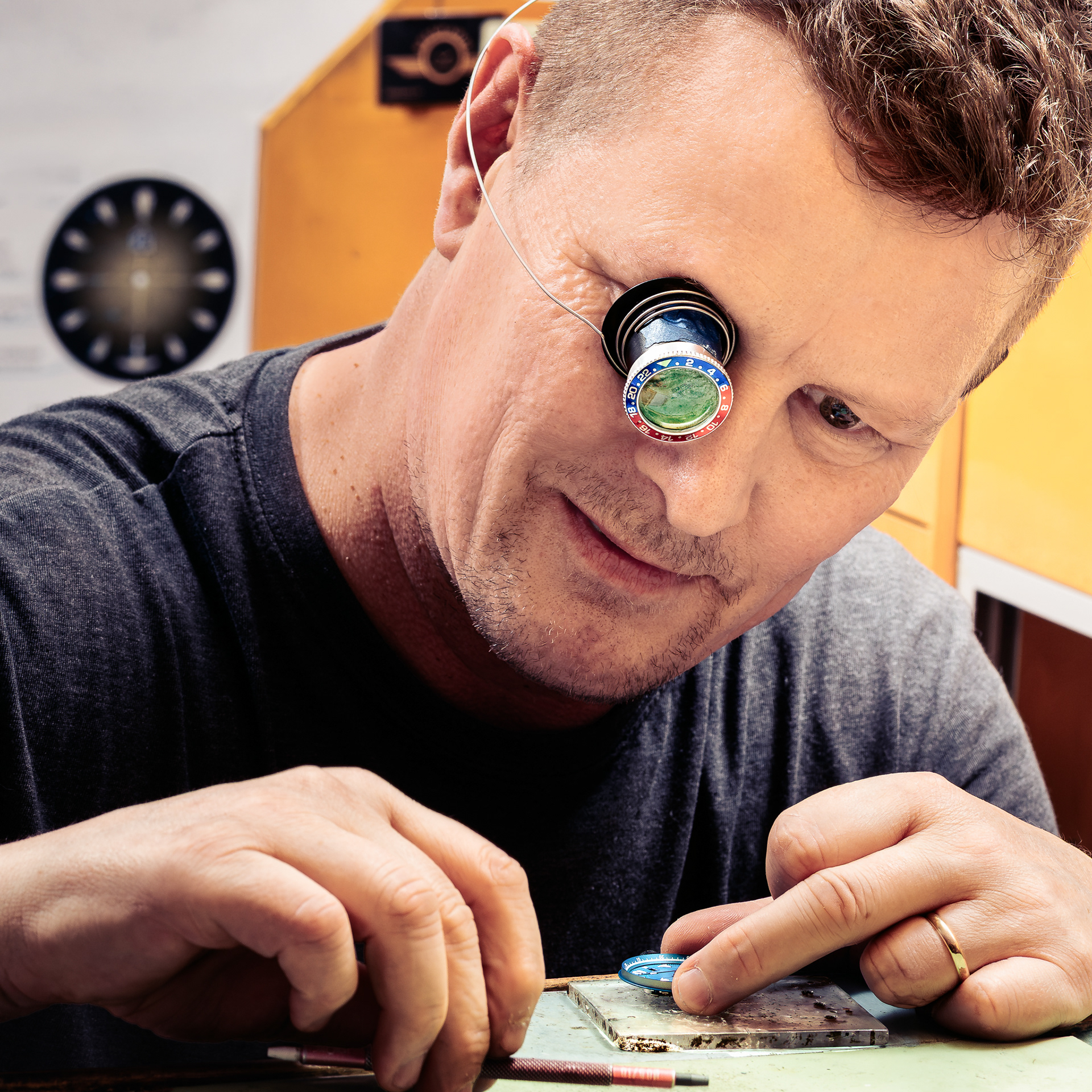
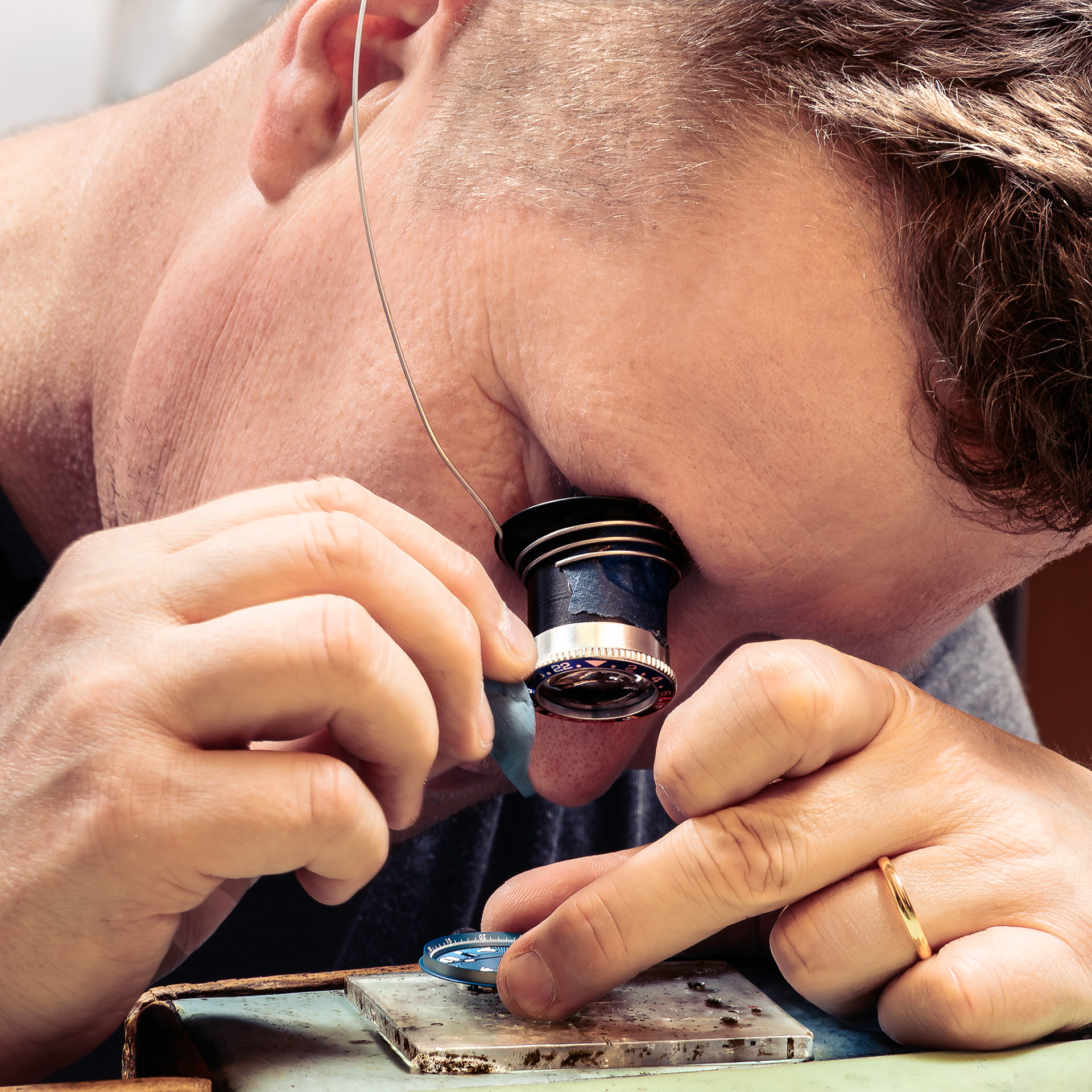
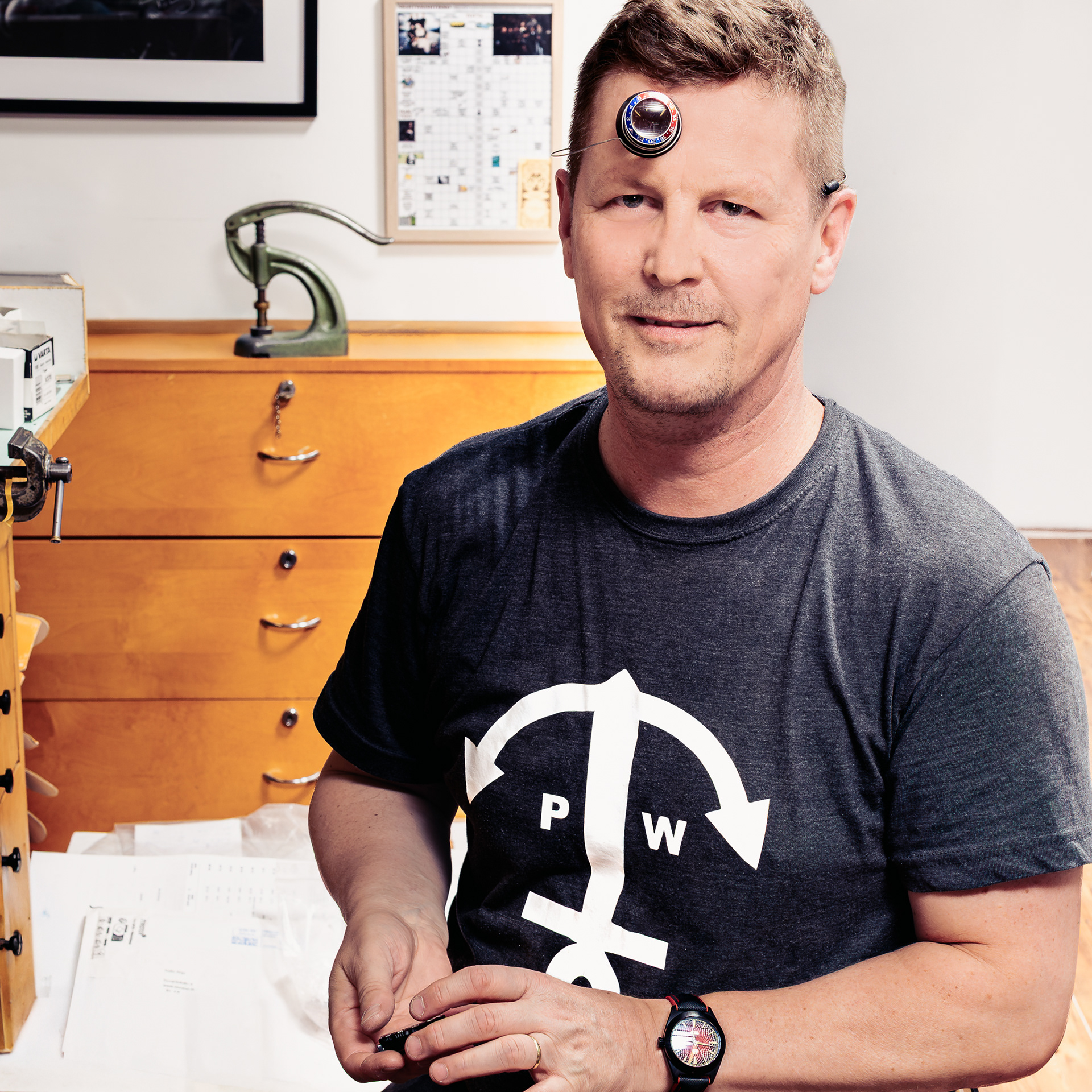
POOK Watches is a small but robust Finnish watch brand that designs and manufactures quality timepieces in Joensuu. The brand's values are consumer-friendly prices, self-designed and hand-assembled quality watches, and compelling stories conveyed through various partnerships.
Watches have been sold in approximately 50 countries worldwide, including the island of Tonga. Today, you can also purchase a genuine POOK watch at the World Watch Museum store in Madrid, Spain.
The POOK Watches brand was established in 2018 when C. Andreas Prepula set out to design a diving watch for his father, inspired by the Citizen model named 700 A, B, C. Andreas' father, a professional diver, was able to see the completed model before he passed away.
The next models designed were the Kompressor WKR03001, 002, 003, and Nitrogen I, II, III Limited editions. These three watch models marked the beginning of POOK watches' fascinating journey, which includes many remarkable and unique collaborations with various partners, such as RUK, Osasto Lauri Törni Perinnekilta ry, Poliisin Tuki ry, Moomin Characters, Ulla Kulju, Mika Salo, Amorphis, and the band Nightwish.
Today, POOK Watches is a brand founded by two men who are passionate about timepieces and wish to share compelling stories of their partners through high-quality, self-designed, hand-assembled watches.
Watchmaker Jani Ikonen is responsible, among other things, for the design and assembly of models at the Kello Ahjo / Pookwatches Workshop store on Suvantokatu, Joensuu, while attorney Jyrki Piiparinen manages current affairs.
In the early days of the company, various parties were approached for cooperation. Nowadays, collaboration proposals also come to POOK Watches, thanks to outstanding products such as the POOK-Salpa, created for war veterans. TheFinnish Reserve Officers' Association and the Reserve Officers' Association were involved in this project. Additionally, there is the POOK Watches x Nightwish Yesterwynde Limited Edition, produced in partnership with the band Nightwish. This collaboration was particularly gratifying for Jani Ikonen, as he is from Kitee and has a metal heart beating in his chest.
A request from the relatives of a watch enthusiast to have the POOK brand’s anchor logo engraved on a tombstone—which carries two distinct meanings—also speaks volumes about the relationship between the brand and its customers.
On old sea maps, an upside-down anchor signified a harbour of peace where it was safe to anchor. Another meaning was that an upside-down anchor on the bow of a ship indicated that we were coming home and wished to be left alone. This symbol is over 2,000 years old, having once been the emblem of a ruler.
The letter P in the logo stands for 'Pook', meaning a lightless lighthouse, while the letter W represents 'Watches', together forming the brand's name.
The next model to be released, the TBL Thin Blue Line, has been created in collaboration with the Finnish Police Support Association, which provides assistance to police officers in need. This model is a typical collaboration for POOK Watches, as the brand aims for the item to convey a genuine and powerful Finnish story that will be remembered.
The POOK Watches brand is also launching some intriguing collaboration models this year, with several set to continue into 2027. It is therefore worth keeping a close eye on the brand’s pages at https://official.pookwatches.com
May 22, 2026 'Extra' Pictures Case
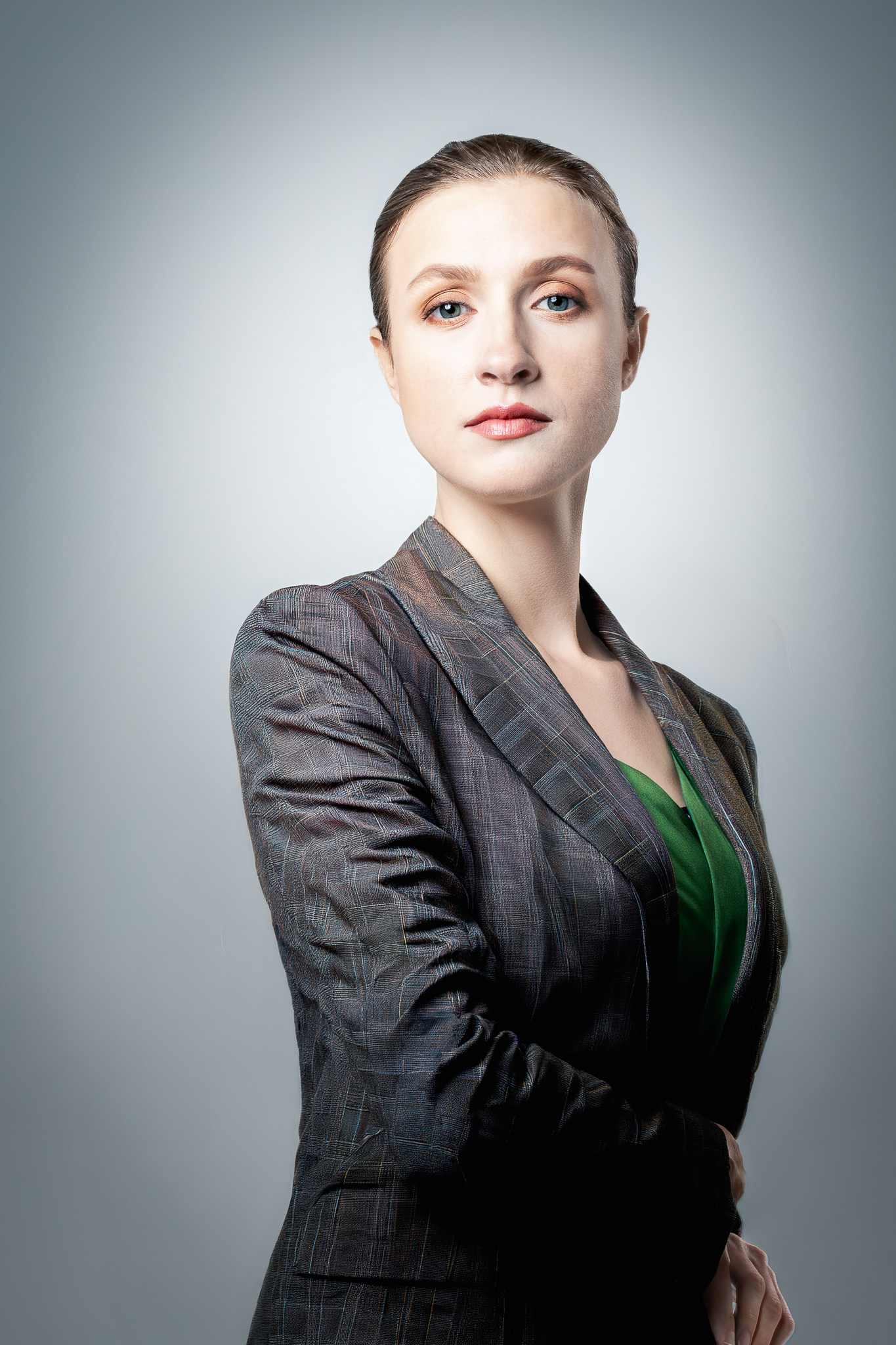
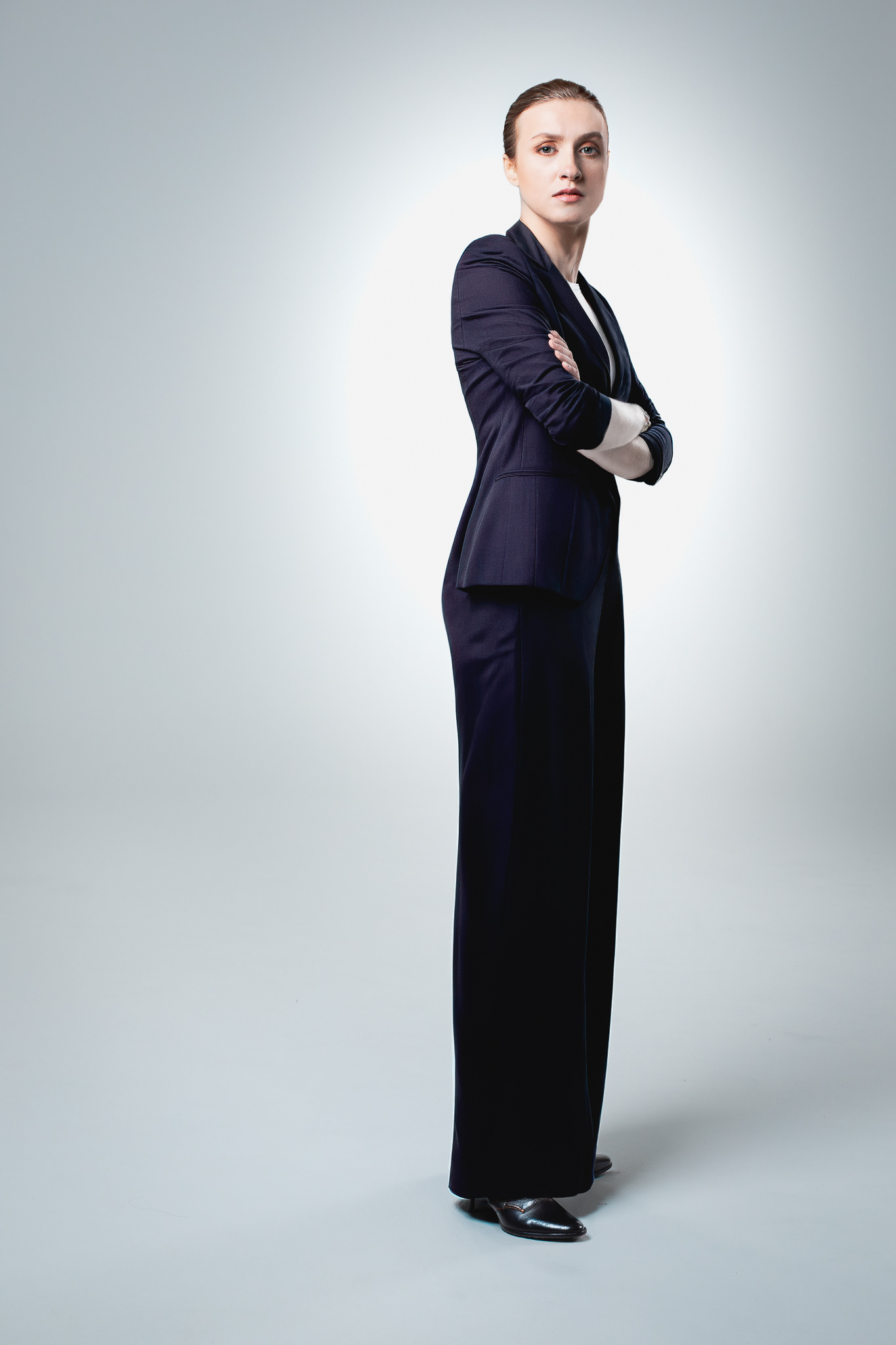
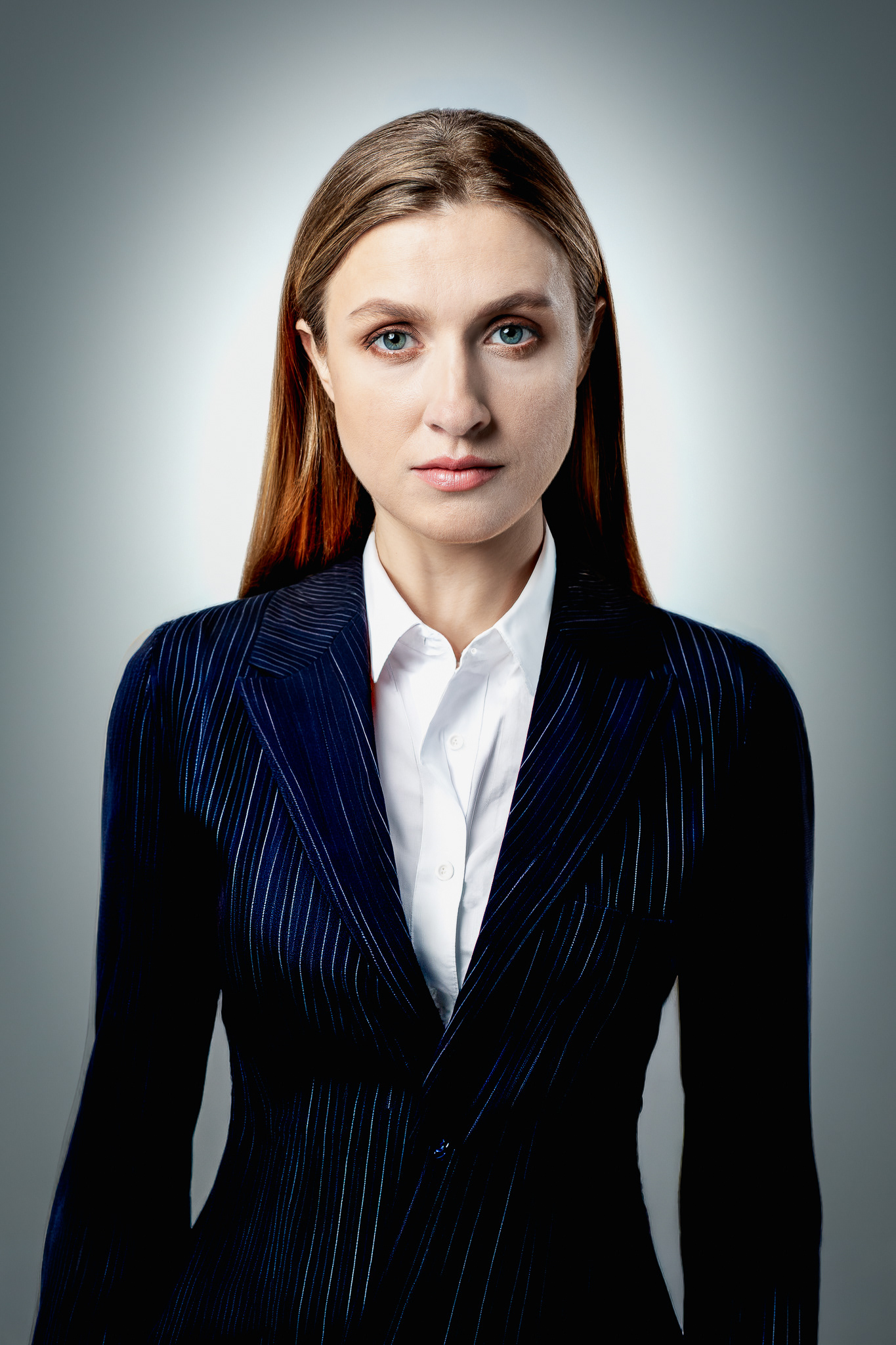
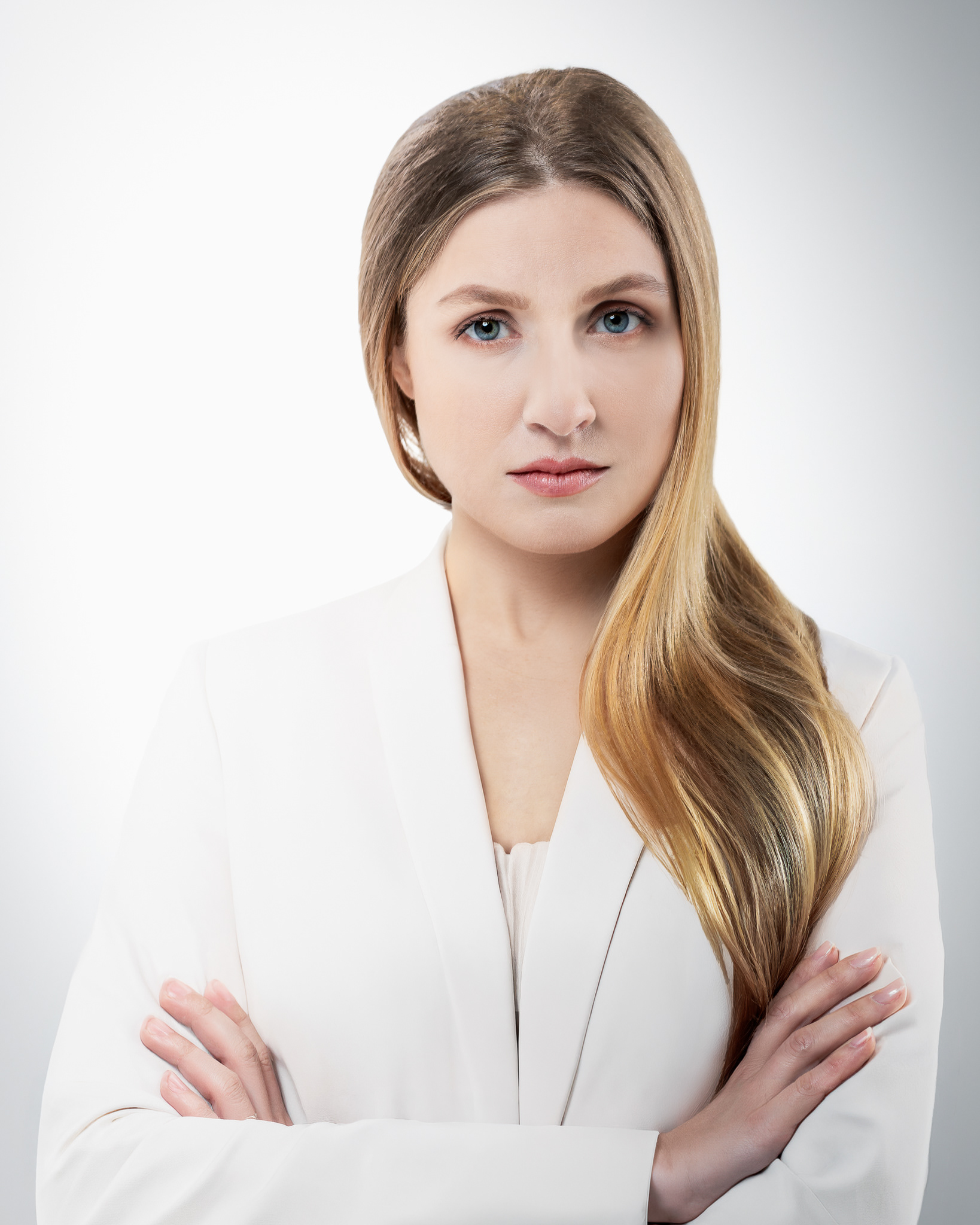
Portrait photography is a process that evolves and develops as it progresses. Often, the initial photographs are not very successful because the model may feel tense and uncertain about how to behave in an unfamiliar situation.
Once this phase passes after a few minutes, the actual portrait photography begins, producing successful shots if the model is well guided. At some point, the model’s concentration often wanes, and the quality of the images may decline. During lengthy photo shoots, especially when multiple outfits and various lighting styles are employed, appropriate breaks are essential to maintain the endurance of both the photographer and the model.
This series of images comprises photographs that failed entirely in their original context. However, something about them intrigued me, so I decided to experiment with various versions. In the end, I believe I found a style and form of editing that brings the photos to life. They differ significantly from the original concept, but perhaps that is why I like them, they are the so-called 'extra' photos I almost deleted from my hard drive as failures, yet have been given a new lease of life through editing.
April 11, 2026 Corporate photography case in Lisbon
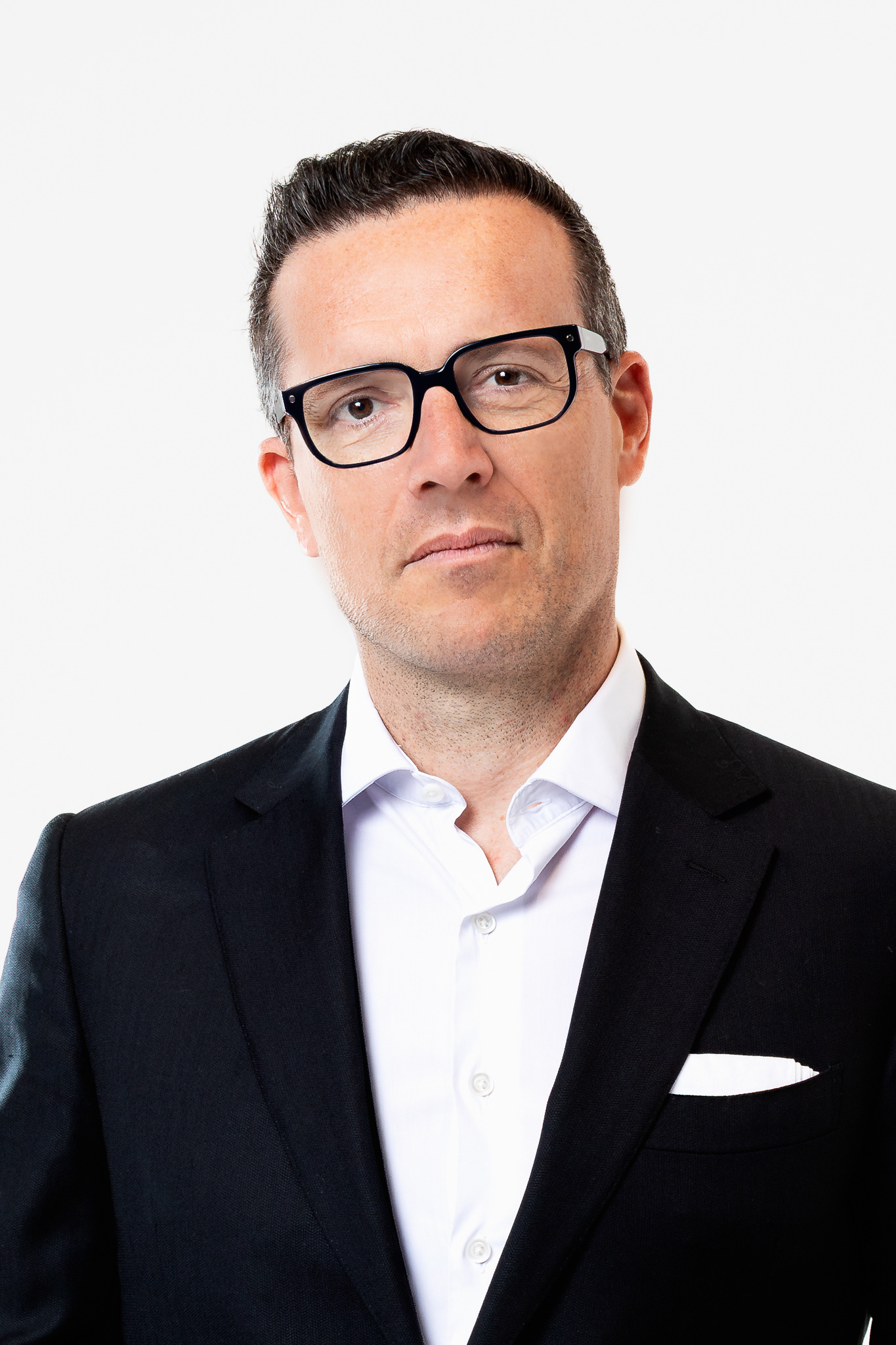
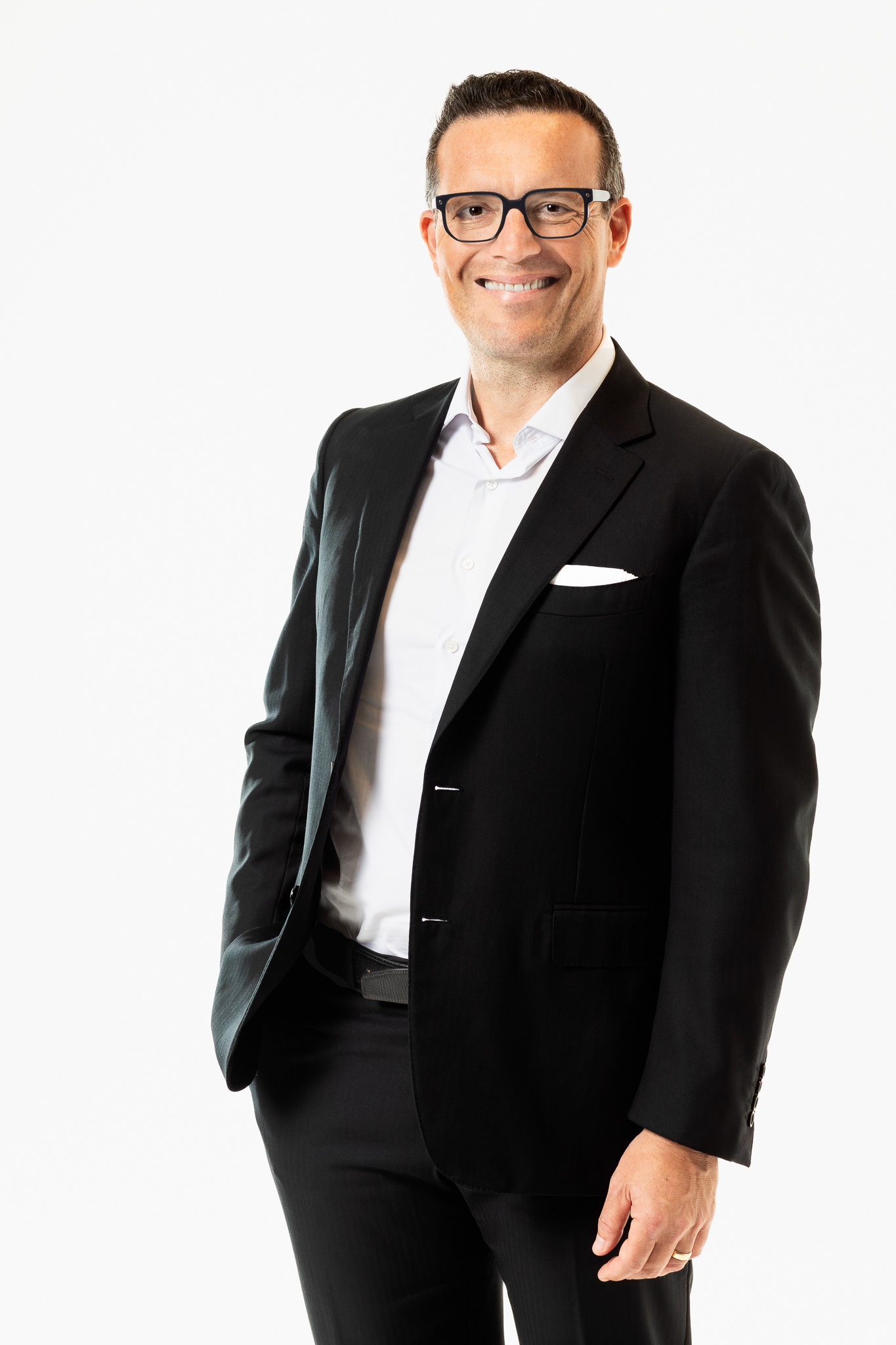
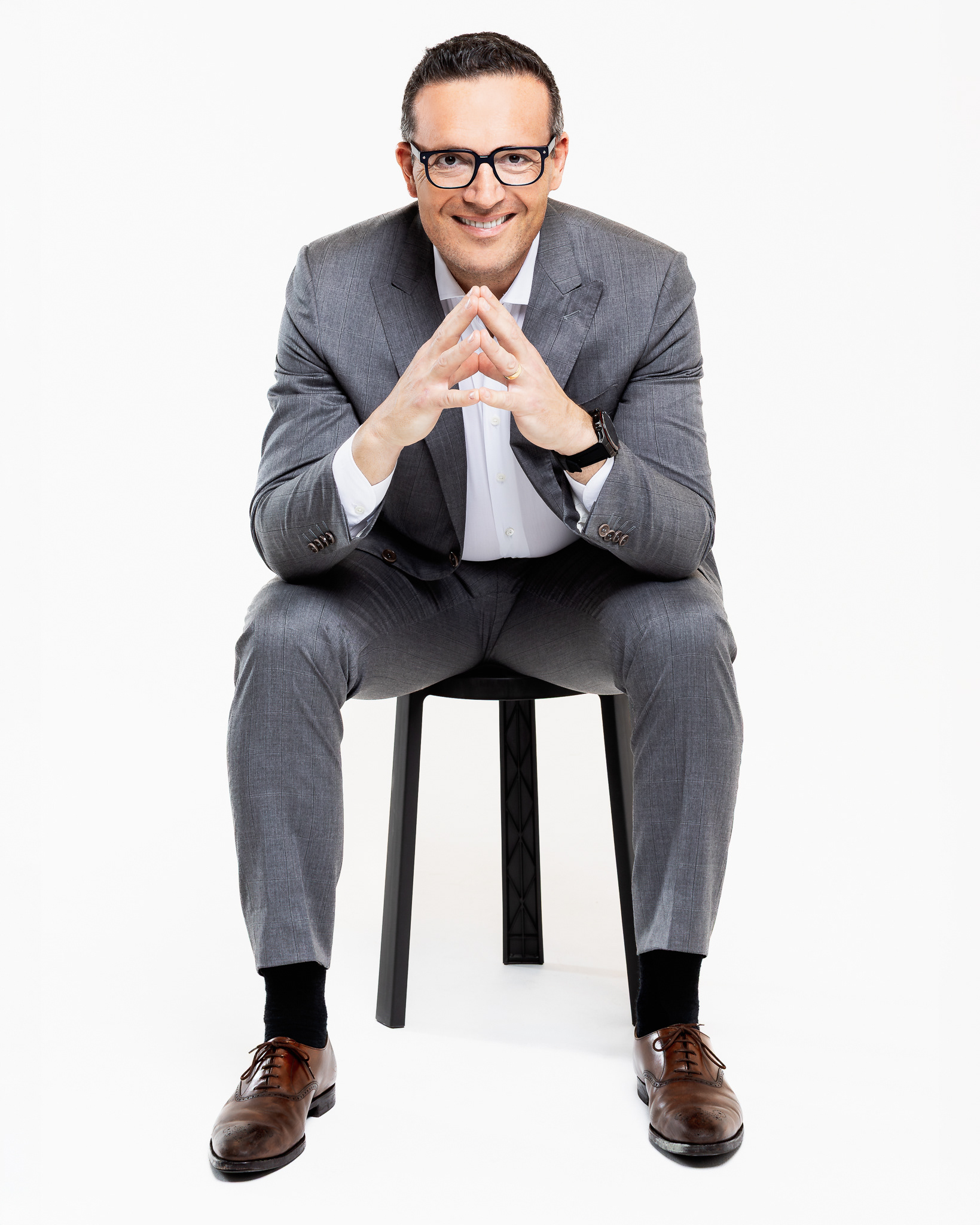
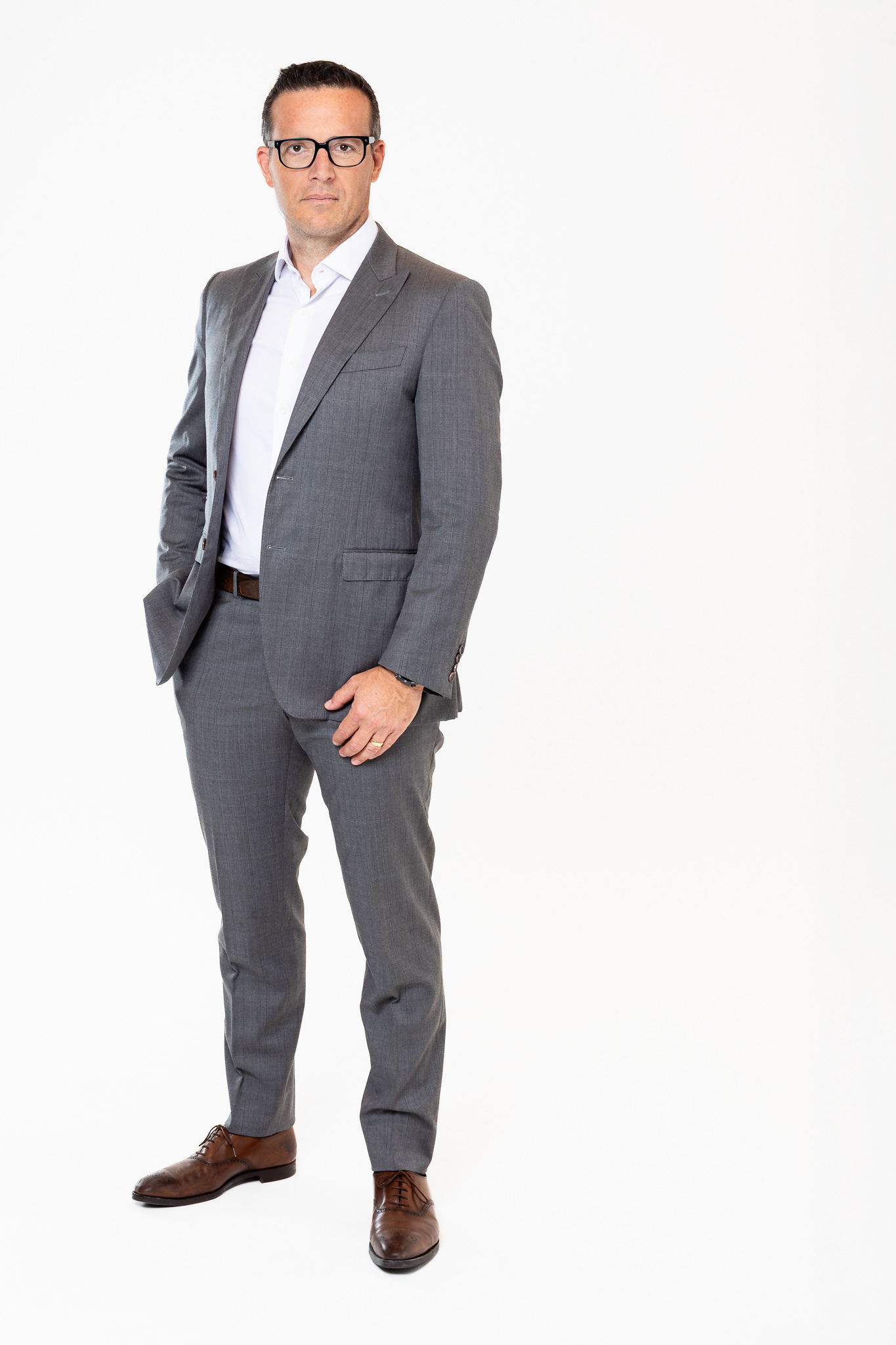
I photographed a stylish gentleman who is a managing director of a multinational company and a strategic consultant for another multinational company. Due to his work, he requires up-to-date portraits, which are typically refreshed every six months or at least once a year.
In photography, we aim to create images that appear professional without seeming overly stiff or formal. Slightly more relaxed photographs are more approachable and, in this context, reveal more about the model's personality and attitude towards life.
Portrait photography is 90% guiding the model and 10% actual photography. Sometimes guidance and advice are needed more, but on this occasion, I did not have to instruct the model much, as he is accustomed to being photographed, so a relaxed and natural expression was achieved very quickly.
The photos genuinely convey the CEO's youthful and cheerful attitude, which he maintains through sports, yoga, and other activities. Such images serve as a marketing tool in his work, used almost daily; therefore, it is important that they accurately reflect reality.